Research
This systematic review assessed the evidence base for Empowered Worldview (EWV), a faith-inspired intervention developed by World Vision to address the interna…
Faith & Dev
FSL
Fostering resilience and driving sustainable economic development by strengthening food systems in low- and middle-income countries.
Our Food Security and Livelihood programs are backed by diverse donors — including the U.S. Government, foundations, international organizations, the private sector, and individual contributors. Over 90% of U.S.-funded area programs globally include food security, livelihoods, or poverty reduction efforts.
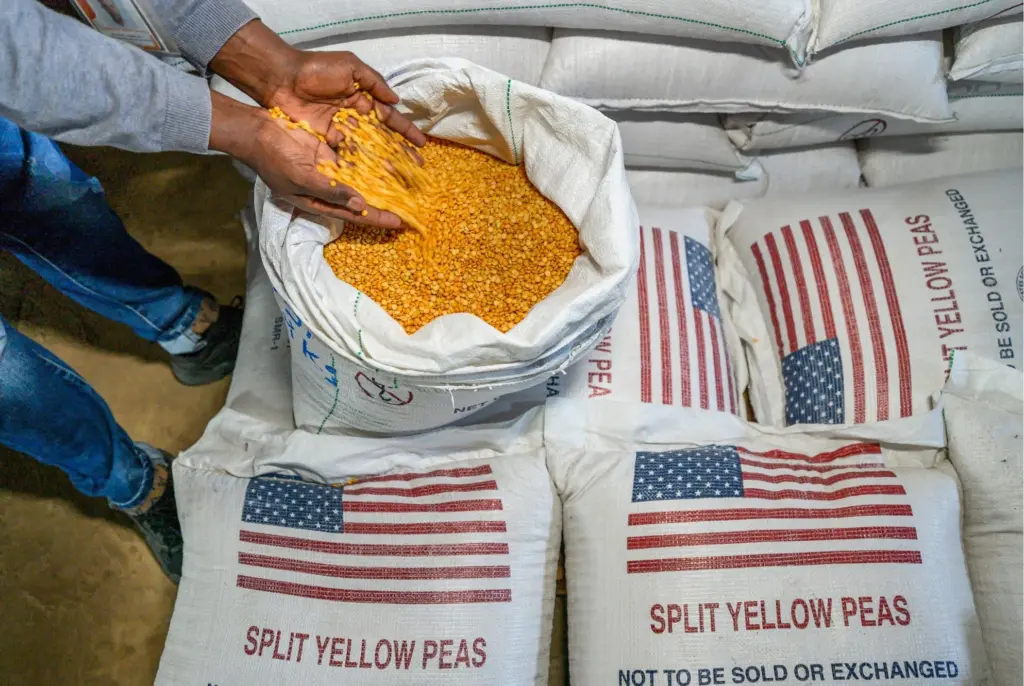
In 2025, we used $174 million in food grants, including 245,608 metric tons of food supplies, to help nourish children and families in 23 countries, reaching communities in some of the world’s most food-insecure regions.
A 2024 independent study of our THRIVE program revealed a 567% return on investment. For every dollar spent, $6.67 in economic value was returned to families, with 55% resulting from direct income growth and 45% from improved financial resilience to withstand shocks.
We partner with local communities, research institutions, governments and private and public sector stakeholders to address the root causes of poverty in the poorest communities around the world.
Our food security and sustainable livelihoods focus also contributes to World Vision’s global commitment to sustainable child well-being outcomes:
For 75 years, World Vision and our partners have supported vulnerable communities, families, and individuals to address the root causes of poverty through long-term development solutions. As fragile contexts continue to grow within many low- and middle-income countries, we have increased our focus on locally led solutions, private sector collaboration, and systems-based approaches. Our food security and livelihoods programs are designed to engage food systems and foster household and community resilience, with an emphasis on promoting the well-being of children wherever we work. Building upon our global expertise in natural resources management, we have significantly scaled our investments in environmental stewardship with an emphasis on adaptation to weather related shocks. We promote women’s economic empowerment across all our programs. We also actively embrace the role of faith identity as a catalyst for social cohesion and sustainable outcomes.
This systematic review assessed the evidence base for Empowered Worldview (EWV), a faith-inspired intervention developed by World Vision to address the interna…
Explore tools, insights, and actions for nutrition-focused food systems. World Vision’s Mainstreaming Nutrition within Food Systems series brings together lite…
Evidence on the effectiveness of Market Systems Development (MSD) programs for extremely poor smallholder farmers during shocks or stressors is limited. This s…
Children cannot learn when they are hungry. This connection between nutrition and education has shaped school meals programs for more than a century, in the…
Continuing our School Meals Day series, this blog expands the lens beyond the classroom to examine how school meals function as a community platform connecting…
As the second blog in our School Meals Day series, this piece builds on the nutritional foundation of school meals to examine how they accelerate…
Explore evidence-based insights and inspiring stories of change from communities around the world.

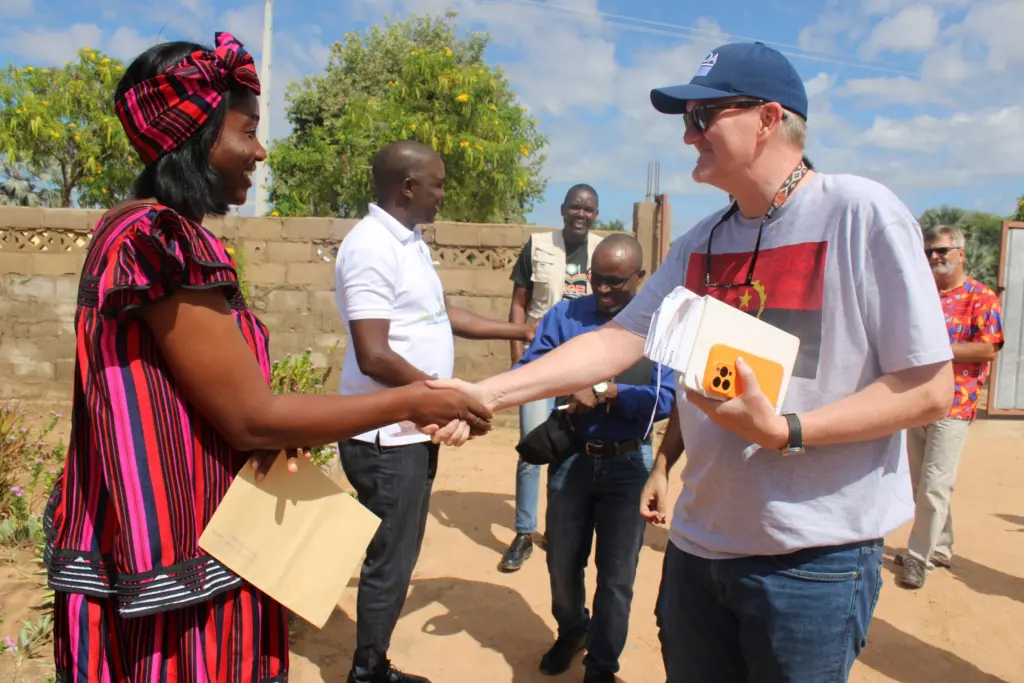
Our USDA-funded McGovern Dole Food for Education program, Educating Children Together (ECT3) supported over 90,000 students in the Nampula province of Mozambique with nutritious meals that help to improve their health, attentiveness and attendance at school, and literacy.

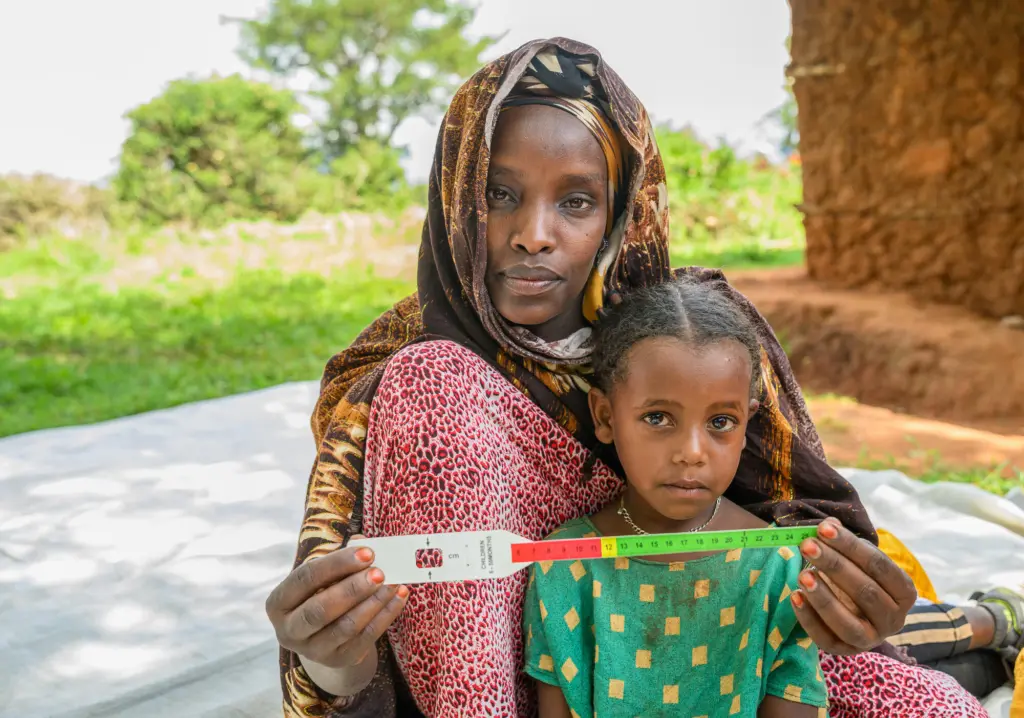
Through World Vision’s SPIR II program, mothers in rural Ethiopia like Sadia are learning to make and sell nutrient-rich mixed flour, helping combat child malnutrition while earning income. This simple, locally produced solution has improved children’s health, strengthened families’ livelihoods, and built community resilience against hunger.

The Nobo Jatra “New Beginning” project worked to improve the food security, nutrition, and resilience of vulnerable communities in the disaster-prone, southwest coast of Bangladesh

Local partners in Cambodia are delivering fresh, safe fish to school meals, improving children’s nutrition so they can learn and grow. This USDA Food for Progress activity boosted food safety, school attendance, and local income.