As part of our 2030 strategic plan, World Vision aims to reach 70 million people through our emergency response efforts. Every year, natural disasters and other humanitarian emergencies devastate the lives of millions of people. Those living in extreme poverty are hit the hardest, particularly where prolonged conflict and violence have created instability and disrupted lives.
Guided by our faith and commitment to serving the most vulnerable, World Vision responds to natural disasters and ongoing conflicts by both providing immediate relief and helping communities recover and rebuild for the long term.
Having pre-positioned resources in warehouses around the globe, a highly experienced global emergency response team, and thousands of dedicated local staff in communities worldwide means we can begin meeting immediate needs within 24 to 72 hours of a disaster anywhere in the world. We are committed to long-term support, staying to help children, families, and communities recover and rebuild. Our extensive experience in areas including health, nutrition, water, sanitation, hygiene, and child protection enables us to meet a broad range of needs while coming alongside communities to help implement long-term, sustainable solutions.
World Vision’s disaster relief priorities:
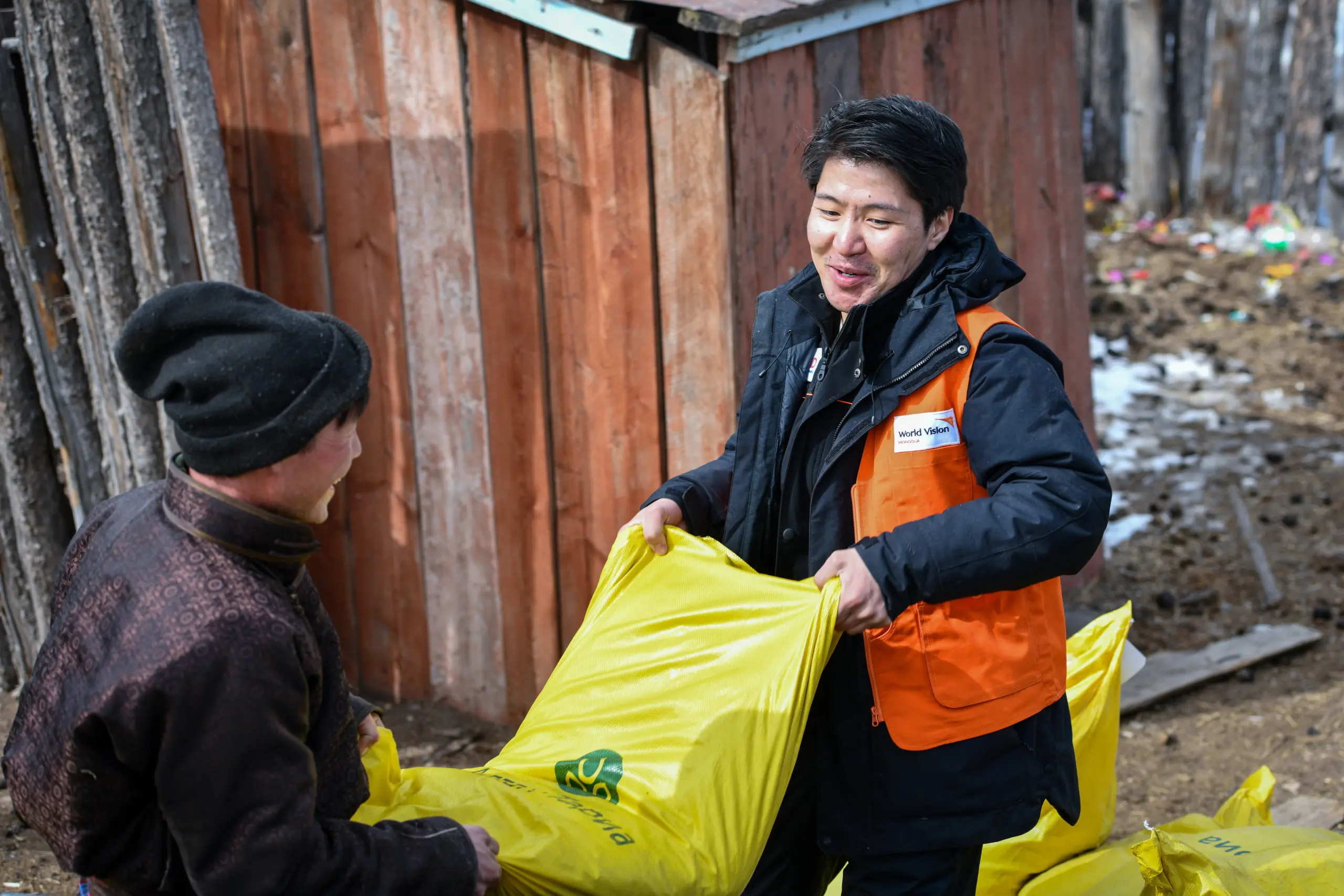
- Rapid emergency assistance: We provide emergency health services and relief supplies, including food, clean water, emergency shelter, blankets, and hygiene kits.
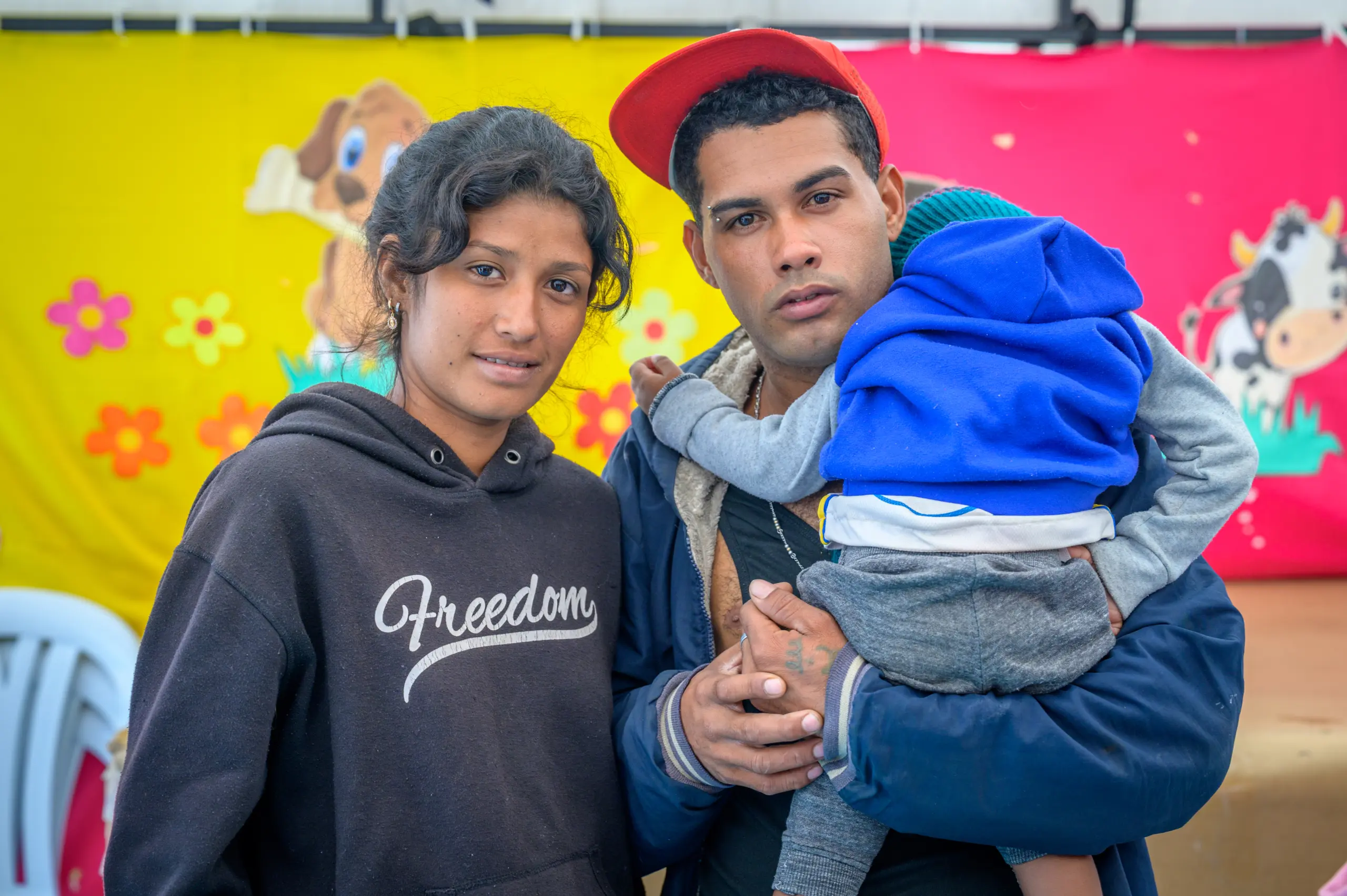
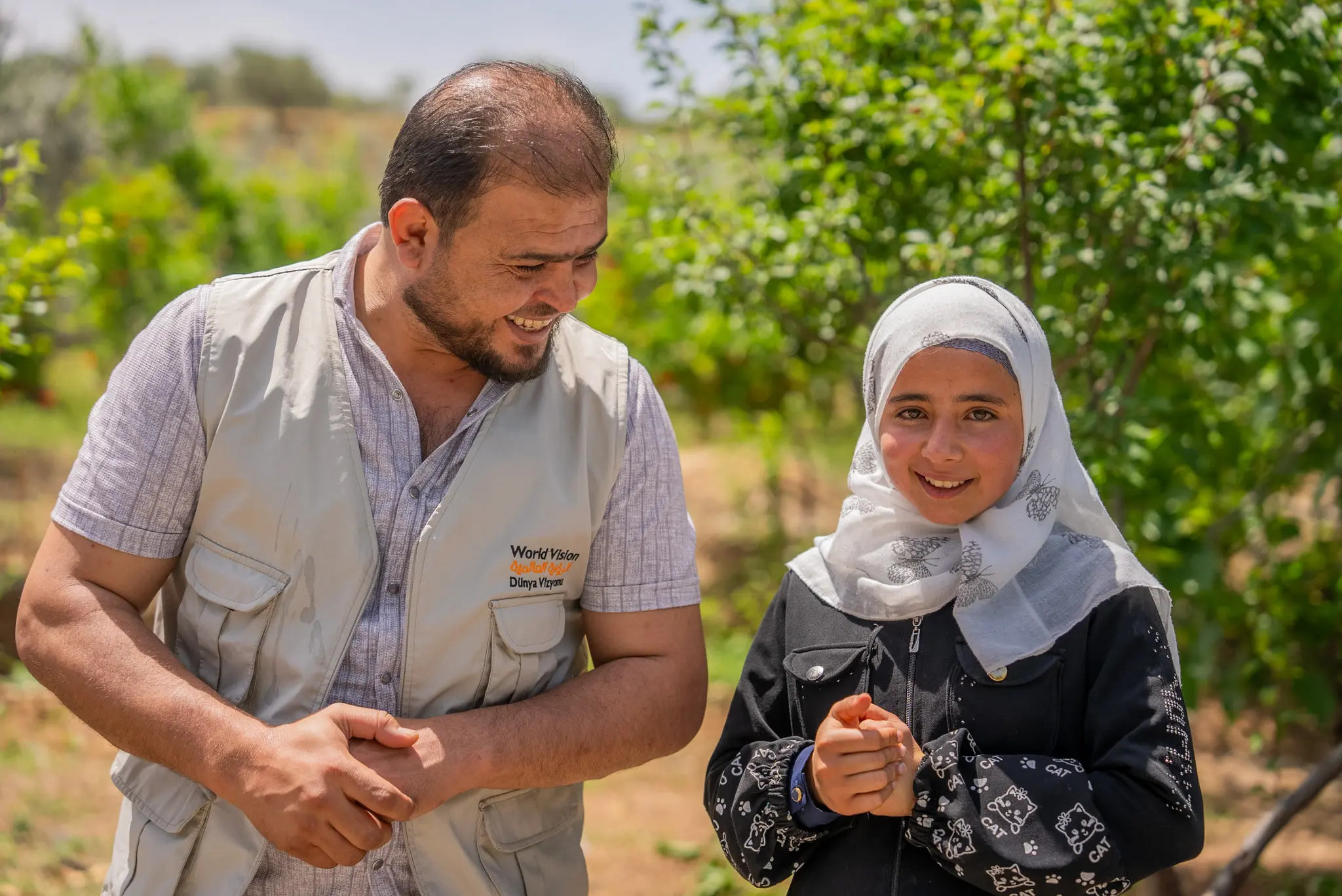
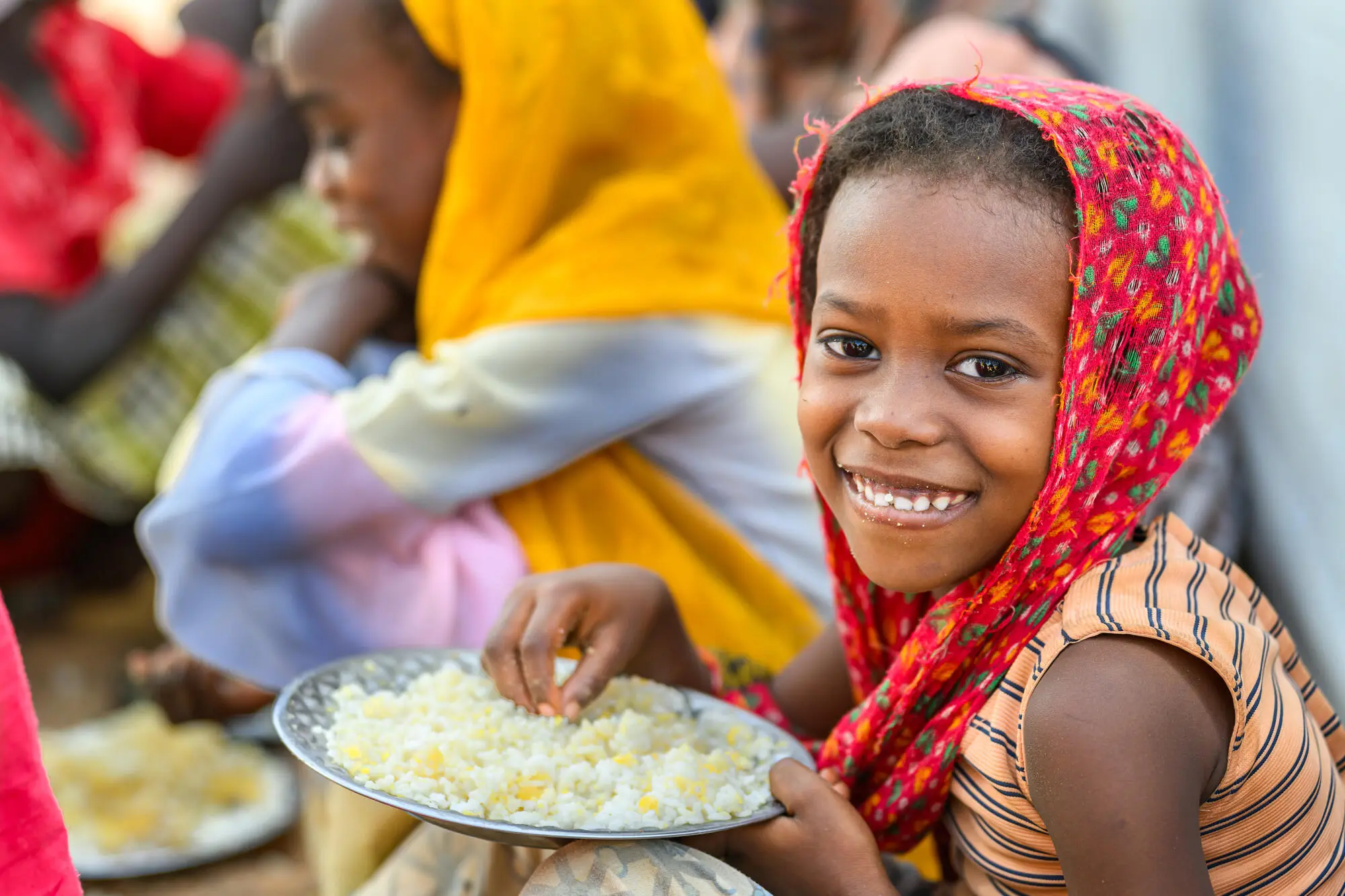
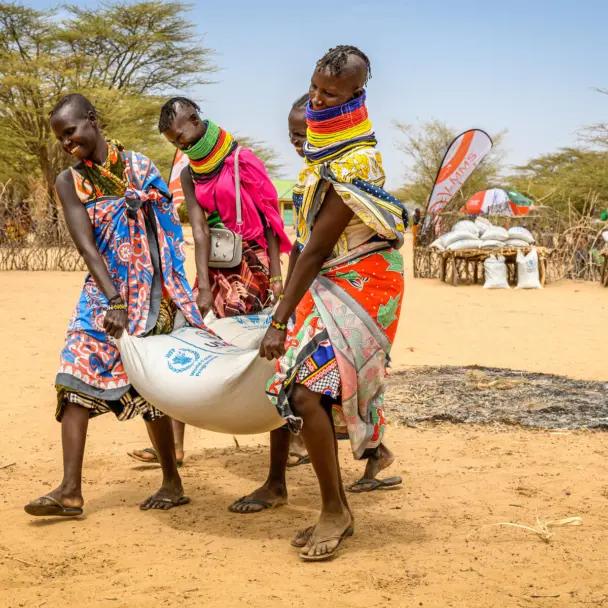
- Emergency food: World Vision’s single largest emergency response sector is food assistance. We are very active in responding to crises in fragile contexts, including emergencies caused by conflict, natural disasters, and economic crises, to save lives and reduce hunger. For over 30 years, World Vision has worked with the United Nations World Food Programme (WFP), becoming its largest implementing partner by far. This longstanding collaboration has allowed us to expand our reach to more communities in crisis and scale our programming, even amid declining global funding. In fiscal year 2024, World Vision provided emergency food assistance through our partnership with WFP in 31 countries, reaching 11.9 million people, 80% of whom were children. We also spent 90% of our funding in the most fragile contexts, including Afghanistan, Venezuela, Somalia, the Democratic Republic of Congo, Sudan, Ethiopia, Syria, and Chad.
- Cash: Where markets are functioning, cash is an effective way of providing rapid and dignified assistance to people affected by natural and man-made disasters. It increases the purchasing power of disaster-affected people, enabling them to access food and nonfood items they need and prefer, while boosting the local economy. We seek to scale up our cash programming and drive impact through quality programs that save lives, reduce suffering, and renew hope.
- Protection: Humanitarian emergencies have devastating effects on children. Formal and informal structures that offer protection to children become weakened or destroyed. World Vision takes a systems approach to prevent violence against children. We seek to strengthen local and national child protection systems — partnering with government, humanitarian actors, civil society, and community stakeholders — so that they are empowered, coordinated, and working together to create a protective environment that cares for and supports all children, especially the most vulnerable. We design and deliver programs that prioritize the needs of women, children, and youth, among other vulnerable groups and individuals, while working to establish and strengthen violence prevention and response mechanisms.
- Local partnership capacity building: World Vision recognizes that national civil society is central to meeting the needs of populations affected by humanitarian crises and has made sustained investments to strengthen partnerships with local actors. We have demonstrated a commitment to partnering with local entities, acknowledging their crucial role in effective humanitarian response and working to enhance their capacity and long-term resilience.
- Long-term needs: We help ensure access to life-saving essentials including nutritious food, healthcare, education, protection, clean water, sanitation, and hygiene resources. By distributing vouchers or cash, we empower families to pay for services and essentials with dignity until their livelihoods have been restored.
- Disaster preparedness: We advocate for people impacted by disasters and empower them to prepare for, respond to, and recover from the devastating impacts of disasters on everyday life. In places where we are supporting long-term recovery, we invest in areas such as disaster risk reduction, social cohesion/peacebuilding, vocational training, income generation, and restoration of livelihoods and infrastructure. This helps ensure that people can rebuild their lives and communities in ways that equip them to withstand future disasters and challenges.