Research
World Vision’s SPIR program in Ethiopia integrated men’s engagement groups into a graduation model to address gender inequality at home. Through facilitated di…
FSL
GEDSI
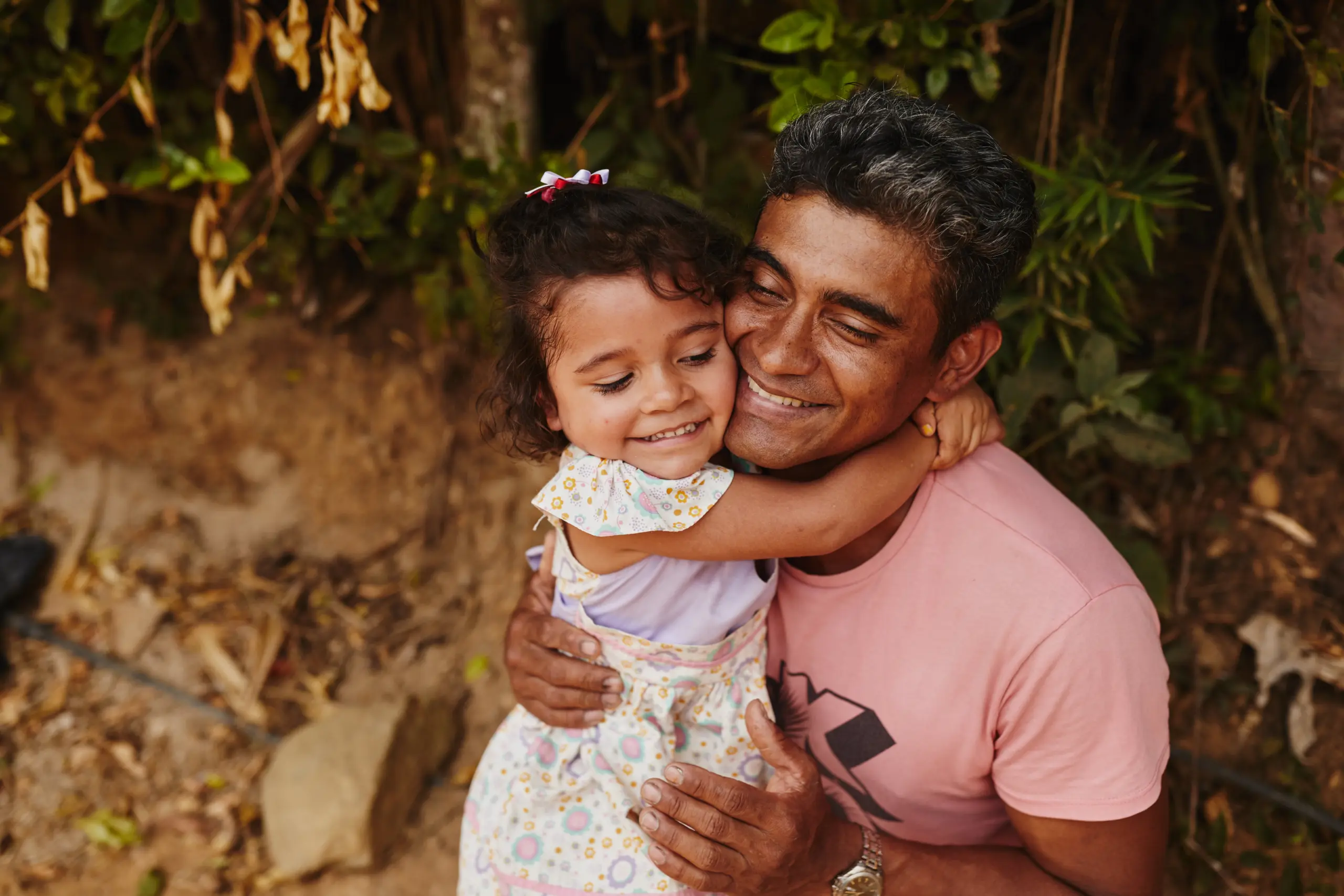
By the end of 2024, the Homes and Communities project in Rwanda reached over 18,000 children with disabilities, providing assistive devices and inclusive literacy support. This helped reduce stigma and increase access to early learning, boosting participation in education and community activities.
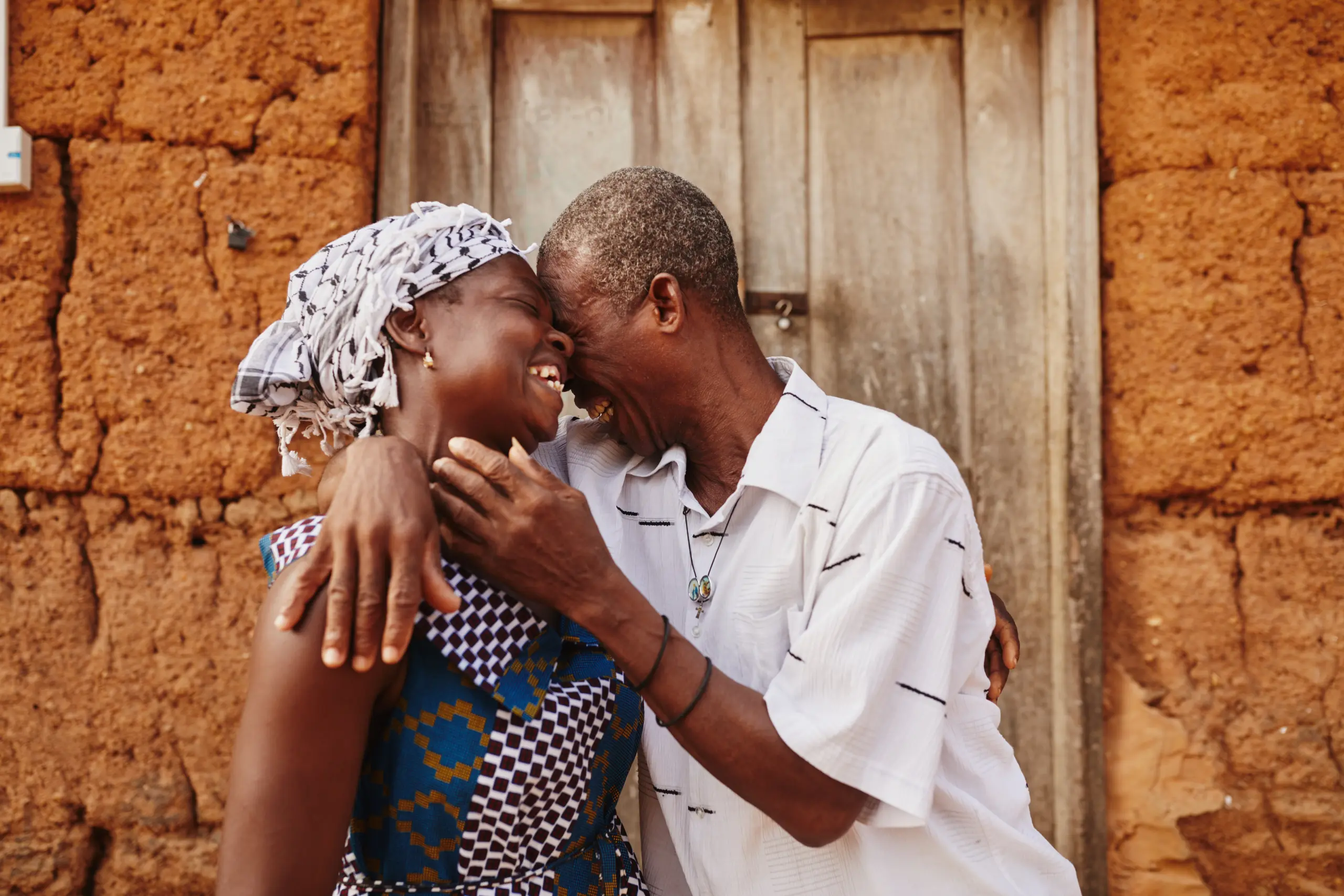
In our Nobo Jatra program in Bangladesh, after engaging boys and men in gender equality programs, 78% reported challenging harmful cultural and social norms in their homes and communities — leading to reduced violence and greater support for girls’ education.
In our WELD project in Sierra Leone, 87% of women reported increased access to and control over financial resources, strengthening their financial independence and decision-making power within their communities, and leading to increased well-being of children.
World Vision is dedicated to working with the most vulnerable children and adults, their families, and their communities worldwide, supporting them to reach their full potential by tackling the root causes of poverty and injustice. Advancing gender equality, disability and social inclusion (GEDSI) is critical to achieving this mission. That’s why we have prioritized GEDSI as a strategic imperative in all our work across sectors, including health; food security and livelihoods; child protection; education; and water, sanitation, and hygiene.
We address GEDSI by working to ensure that the most vulnerable have equal and inclusive access, decision-making opportunities, and participation in society. We work to transform systems, both formal and informal, so that vulnerable children and adults enjoy an enabling environment and realize their full potential. We advance the well-being of people living in fragile contexts and urban areas, as well as those impacted by extreme weather events or other catastrophic crises, including pandemics. We focus on intersectionality by tackling overlapping vulnerabilities such as gender, disability, indigeneity, religion, age, sex, economic status, health, nationality, and migrant/refugee status.
World Vision’s work is anchored in our GEDSI approach and theory of change. We’ve developed practical tools — including a design, monitoring and evaluation (DME) toolkit and a GEDSI Audit Guide — to support integration across programs. Through a series of promising practices, we have documented evidence of the impact of GEDSI integration in our programs.
World Vision’s SPIR program in Ethiopia integrated men’s engagement groups into a graduation model to address gender inequality at home. Through facilitated di…
Empowered Aid is a participatory action research project led by the Global Women’s Institute and implemented in Jordan with World Vision. The project focuses o…
World Vision contributed to the Social Norms Atlas by sharing evidence and learnings from our gender-transformative and faith-engaged programming to address ha…
More than one billion people worldwide live with a disability — most in low- and middle-income countries where essential services are limited or out of…
World Vision has been recognized for two groundbreaking initiatives that advance disability inclusion in humanitarian and development settings. Both projects h…
Washington, D.C. — October 16, 2025 — World Vision was recognized with an Honorable Mention for the 2025 Disability Inclusion Award at InterAction’s annual For…
Explore evidence-based insights and inspiring stories of change from communities around the world.

The incorporation of GEDSI promising practices in our Nobo Jatra project encouraged engagement of men and boys in changing cultural and social barriers that prevent women and girls from reaching their full potential — transforming families in Bangladesh.
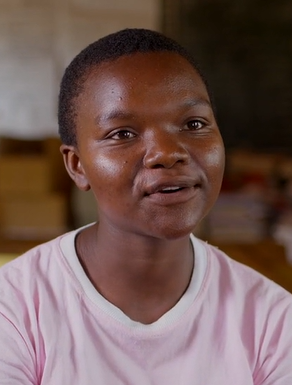
GEDSI promising practices are integrated into WASH UP! Girl Talk programming in Zimbabwe, which promotes healthy WASH behaviors.
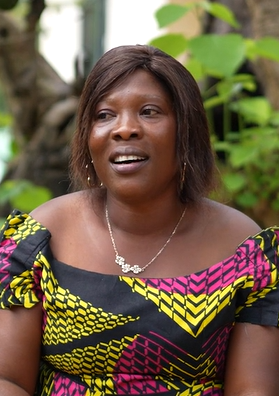
The Women Empowered for Leadership and Development (WELD) project in Sierra Leone empowered women and advanced their socioeconomic and political leadership.

Abraham has cerebral palsy. He dreamed of going to school like his sisters, but his mother Solina struggled to get him there on her own. Uburezi Iwacu (Homes & Communities) supported children like Abraham to help make their dreams come true.