
Our Partners
At World Vision, partnership is at the heart of everything we do. We know that no single organization or government can solve child poverty alone. By working with communities, governments, civil society, businesses, faith leaders, and others, we multiply resources and amplify impact for the world’s most vulnerable children.
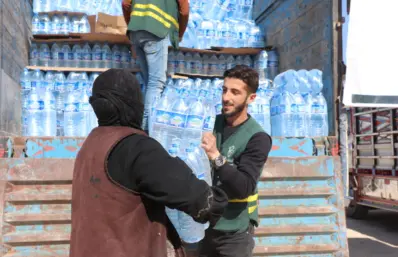

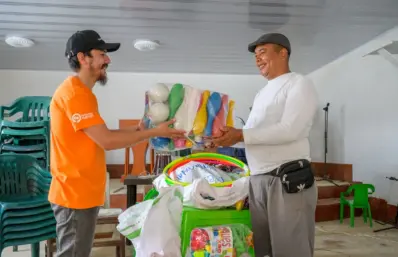
Partnering for Greater Impact
We believe that the most sustainable, scalable, and equitable solutions to child vulnerability come from collaboration. That’s why we pursue principled, evidence-driven partnerships that unlock the strengths of governments, civil society, local partners, faith-based partners, the private sector, and many others — working together to build lasting change.
Our approach begins with a simple premise: we achieve more together than we ever could alone.
Locally Led, Globally Connected
By partnering with actors at every level — from community organizations to multilateral agencies — we maximize collective impact. Together, we expand reach, deepen community trust, and increase operational efficiency, especially in fragile and conflict-affected contexts.
- Local Leadership: We follow the lead of local actors — those present before we arrive and long after we leave — to help ensure solutions are sustainable and community-owned.
- Global Influence: We amplify local insights and evidence to influence systems change and global policy, advance sector priorities, and scale what works through collaboration with actors like the U.S. government (e.g., USDA, State Department, Department of Labor), multilateral organizations (e.g., World Bank, WFP, Global Fund), and global foundations.
- Sustainability Focus: Our programs are designed to last — by strengthening local systems, building partner capacity, and ensuring shared accountability.
Our Principles in Practice
World Vision’s partnering approach is grounded in evidenced-based, accountable collaboration. We operate under five principles that are embedded in our grant implementation and program delivery models:
- Transparency: Trust starts with open communication.
- Equity: Every partner’s contribution is respected and valued.
- Mutual Benefit: Our partnerships focus on better outcomes for children, families, and communities, with each partner also benefiting as we work toward shared goals.
- Mutual Accountability: Partners hold one another accountable to agreed principles, objectives, and processes.
- Proportionate Risk Management: Risks are assessed and mitigated collaboratively.
We intentionally foster a learning environment that continuously improves and informs systems-wide reform through actions like:
- Joint design and adaptive management with local and national governments
- Capacity sharing with local NGOs and service providers
- Accountable, compliant programs that meet donor standards, including financial stewardship, child and data protection, and anti-corruption
Evidence of Effective Partnership
Across our portfolio, our partnerships are designed to generate evidence, improve systems, and scale impact. We measure and evaluate:
- Reach and sustained impact of joint initiatives
- Capacity strengthening outcomes among local partners
- Partner feedback to improve how we collaborate

At World Vision, we believe that to end child poverty, we need partnerships that not only create short term impact but sustain change for the long term. Our role is temporary, but the community’s potential is permanent. That’s why we strengthen local systems and invest in the leadership and resilience of our local partners to ensure lasting change. Through shared expertise, mutual accountability, and open collaboration, we help create the conditions for long-term transformation. Lasting impact comes from aligning with a broad range of partners — local leaders, peer organizations, donors, and global institutions — who share our commitment to evidence and accountability. Together we work to shift policies, strengthen systems, and scale what works. Whether in development or crisis settings, this collaborative approach ensures that vulnerable children not only survive but thrive — today and for generations to come.
Margaret Schuler, Senior Vice President and Chief Impact Officer, World Vision U.S.
A Spectrum of Strategic Partnerships
World Vision engages with a broad range of strategic partners to drive systems change, innovation, and impact. Our approach is tailored to the strengths and goals of each partner—and designed to build a shared ecosystem of learning, delivery, and accountability.
Donor Partnerships
We serve as a trusted implementer and technical partner to public donors like the U.S. government, multilaterals, and foundations, aligning with their strategic priorities and delivering high-impact, evidence-based programs.
- With U.S. government agencies like the United States Department of Agriculture, Department of State, and the Department of Labor, we co-design and scale programs in health, education, protection, and food security.
- With multilaterals like the World Bank, UN agencies (including WFP, UNICEF, and UNDP), and the Global Fund, we collaborate to strengthen national systems, particularly in fragile contexts.
- With foundations, we pilot innovation and scale community-based solutions, often advancing evidence and sector learning in the process.
Peer and Implementing Partnerships
World Vision collaborates with a wide network of peer NGOs, local implementers, and technical consortia — often as part of joint bids or shared implementation models. These partnerships improve reach, diversify expertise, and reinforce our commitment to localization and co-creation.
- We work in technical consortiums for large-scale grants, leveraging partner strengths for integrated delivery.
- We partner with national and local NGOs to increase contextual relevance and long-term sustainability.
- We share tools, resources, and results to strengthen the broader humanitarian and development ecosystem.
Faith Partnerships
Nearly 76% of the world’s population identifies with a faith group or religion, and people place deep trust in faith leaders. World Vision has partnered with more than half a million pastors and faith leaders from diverse religious backgrounds, who play a unique and essential role in shaping their communities. In contexts where faith drives attitudes and behaviors, engaging faith actors is critical for advancing social behavior change and effective development work.
- We catalyze the influence of faith leaders to mobilize their communities toward sustainable change.
- We equip faith leaders to examine how religious beliefs can unintentionally reinforce harmful traditional practices that hinder children from experiencing life in all its fullness.
- We partner with churches, faith-based organizations, and faith leaders to co-design and deliver interventions that support children’s holistic development.
- We foster respect and unity among leaders of diverse faith traditions, promoting dialogue and peacebuilding as they address barriers to children’s physical, emotional, and spiritual well-being.
- Learn more about our faith partnerships.
Academic and Learning Partnerships
Evidence drives our programming. That’s why we partner with academic institutions and research organizations to deepen understanding, refine models, and shape the global evidence base.
- We co-develop research studies with institutions like IFPRI, Johns Hopkins University, and other leading universities.
- We participate in collaborative learning agendas, evaluation consortiums, and sector-level knowledge platforms (e.g., Global Evaluation Initiative, Empowered Aid).
- We share findings through evidence briefs, peer-reviewed journals, global conferences, and open-access platforms to benefit the sector as a whole.
- Learn more about our approach to Evidence & Learning.
Policy and Advocacy Partnerships
We collaborate with individuals, communities, coalitions, and alliances to advance policies that benefit the most vulnerable children.
- We serve as an active member of policy networks focused on nutrition, protection, humanitarian response, and inclusive education.
- We amplify local voices in global forums, helping shape funding priorities and program design at the highest levels.
- Through programs like Citizen Voice and Action, we are equipping communities to advocate for improved services and accountability.
- In the U.S., our Advocacy team mobilizes grassroots supporters and engages policymakers to influence global funding priorities and drive systems change.
