
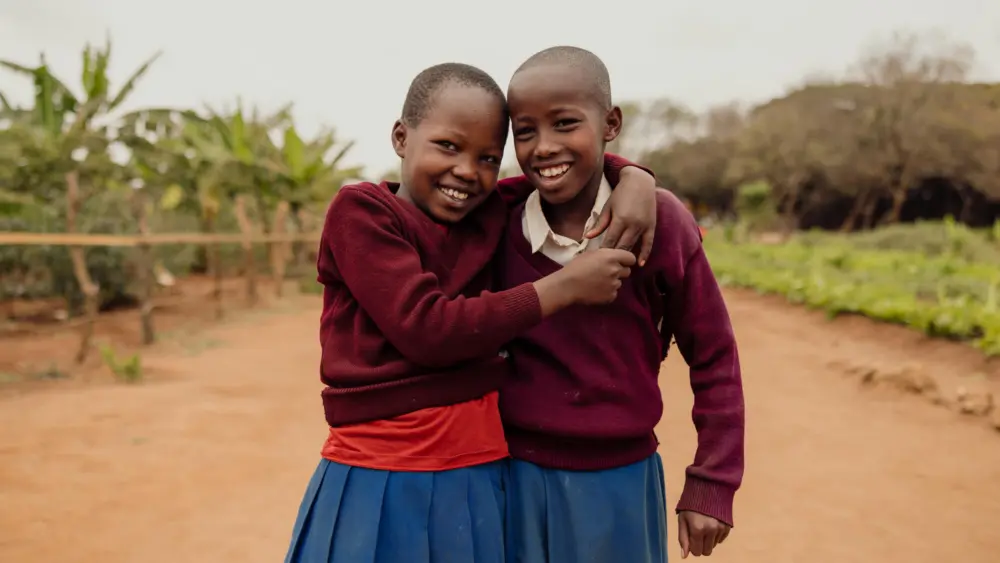
Changing mindsets. Breaking barriers. Unlocking potential.
Hosted by World Vision Tanzania, the 4th Global GEDSI Learning Forum brings together development practitioners, partners, and donors to strengthen gender equality, disability and social inclusion (GEDSI) as core components of ethical, effective development work.
Evidence shows that inclusive approaches deliver stronger, more sustainable results, and understanding how gender, age, disability, and other factors shape risk and opportunity is central to accountable, data-driven programming.
The forum emphasizes applied learning, peer exchange, and field-tested approaches across sectors and contexts.
Key takeaways include:
- GEDSI strengthens impact and accountability by improving reach, participation, and outcomes
- Designing for those most excluded strengthens systems for everyone, resulting in more resilient, context-appropriate interventions
- Inclusive development is participatory, drawing on the skills, leadership, and lived experience of women, youth, and persons with disabilities
Forum highlights and approach
Designed to move beyond panels and presentations, the Forum emphasizes hands-on, skills-focused engagement. Participants will gain practical tools, test ideas with peers, and reflect on what works — and why — through interactive workshops, project showcases, and joint planning sessions.
Highlights include:
- Opening donor and partners roundtable on GEDSI, accountability, and development effectiveness
- Joint sessions linking economic empowerment, violence prevention, and youth inclusion
- Reflection and “what next” sessions for translating learning into action
- Sessions focused on practical tools, implementation strategies, and peer-to-peer problem solving
Key takeaways include:
- GEDSI strengthens impact and accountability by improving reach, participation, and outcomes
- Designing for those most excluded strengthens systems for everyone, resulting in more resilient, context-appropriate interventions
- Inclusive development is participatory, drawing on the skills, leadership, and lived experience of women, youth, and persons with disabilities
Learning tracks
Disability Inclusion: Able to Thrive
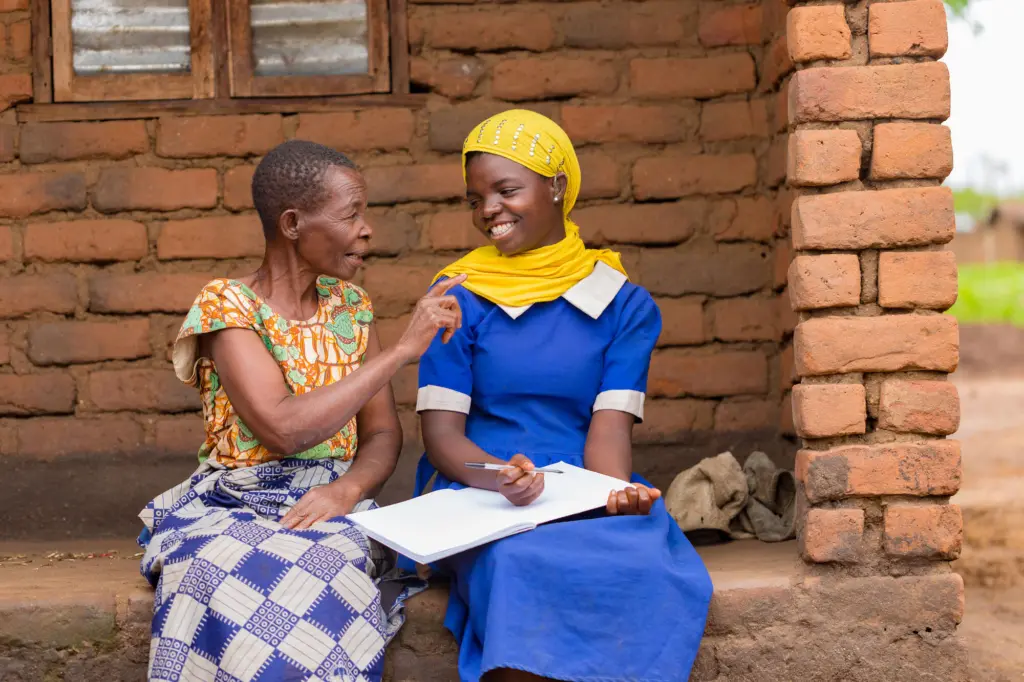
Strengthening disability-inclusive and disability-specific programming so children and adults with disabilities can thrive.
Key topics include:
- Disability-inclusive program design and the Able to Thrive approach
- Case management, referral pathways, and linkages to specialized services
- Engaging caregivers and faith actors to support inclusion
Learn more:
- Able to Thrive: Phase one final report
- Our work with disability inclusion
- GEDSI promising practice: Children with disabilities
- Road to Kasama: A Journey of Discovery in Partnership with the Dylan Alcott Foundation
Addressing Violence Against Women and Children

Advancing evidence-informed approaches to preventing and responding to sexual and gender-based violence across development and humanitarian contexts.
Key topics include:
- Lessons from violence prevention and response programming
- Mitigation, prevention, and survivor-centered response approaches
- Systems strengthening, ethics, and measurement
Learn more:
- Blog: Investing in Women: World Vision’s Approach to Accelerating Gender Equality
- Blog: Breaking the Silence: Addressing Hidden Gender-based Violence in Fragile Contexts
Economic Empowerment & Livelihoods
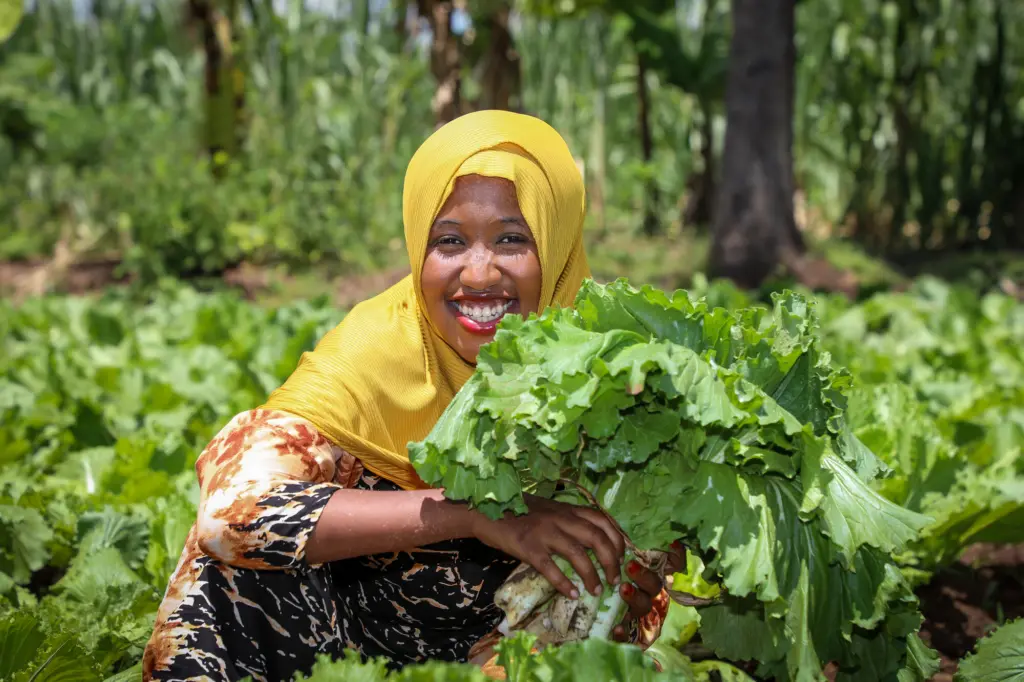
Exploring how inclusive economic development expands opportunity while reducing structural barriers for women, youth, and persons with disabilities.
Key topics include:
- Inclusive livelihoods and economic empowerment models
- GEDSI integration within business savings and lending (BSL) programs
- Joint sessions linking economic empowerment with violence prevention and resilience
Learn more:
- Our work in women’s economic empowerment
- Women’s economic empowerment framework manual
- Women’s economic empowerment framework and program quality assurance standards
- Gender inclusive financial literacy training (GIFT) manual
- GEDSI promising practice: Malawi Empowered Worldview
Faith & Development (Cross‑cutting)
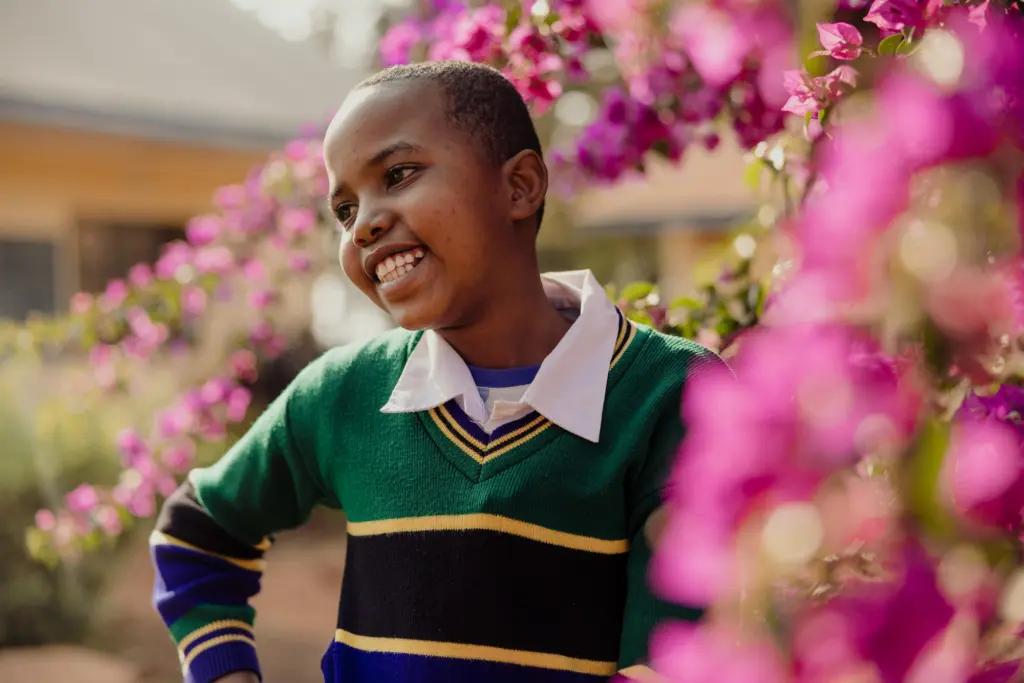
Faith and development perspectives are integrated throughout all tracks, examining how local faith actors can help shift harmful norms, strengthen inclusion, and support sustainable, community‑led change.
Learn more:
- Our work in faith-based gender equality, disability and social inclusion
- Imago Dei Fund: Good faith approaches to gender equality
- GEDSI and Faith reference guide
- Faith-driven social behavior change
Additional resources:
- Our work in GEDSI
- GEDSI approach and theory of change
- GESDI in DME toolkit
- Promising practices in GEDSI
- GEDSI audit guide
