
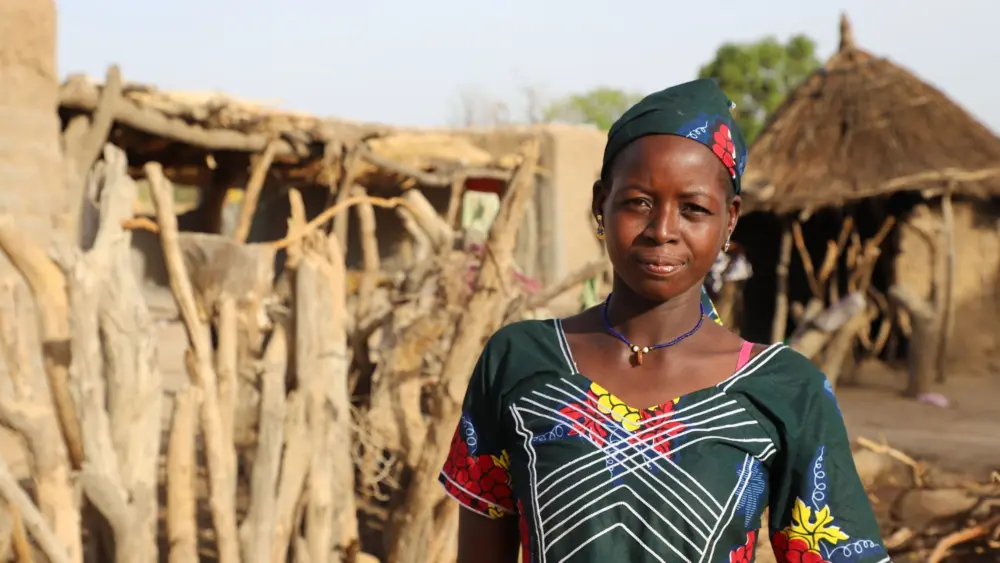
During the 16 Days of Activism Against Gender-Based Violence (GBV), World Vision is bringing attention to the less visible, often-overlooked forms of GBV. Economic, psychological, and social violence strip women and girls of their agency, isolating them from opportunities and silencing their voices. These “silent” forms of GBV are devastating, creating barriers to education, economic independence, and active participation in society.
At the heart of our work is our Gender Equality and Social Inclusion (GESI) Approach, which drives our commitment to equal and inclusive access, decision-making, participation, systems, and well-being for the most vulnerable. This approach seeks to transform systems, social norms, and relationships so that every person—regardless of age, sex or ability—can participate in and benefit equally from development interventions. By building individual and collective agency, resilience, and empowerment, we aim for sustained, transformational change at every level of society, ensuring that all people can enjoy the fullness of life.
World Vision’s GESI approach underpins our innovative, multisectoral approaches to address non-physical GBV, creating holistic and inclusive solutions that challenge harmful norms, empower individuals, and foster communities where everyone can thrive. Witness the transformative impact of these efforts through stories and spotlights on resilience and change—and discover why investing in these solutions creates a brighter future for all.
A Story of Resilience and Transformation: Economic Empowerment in Ethiopia
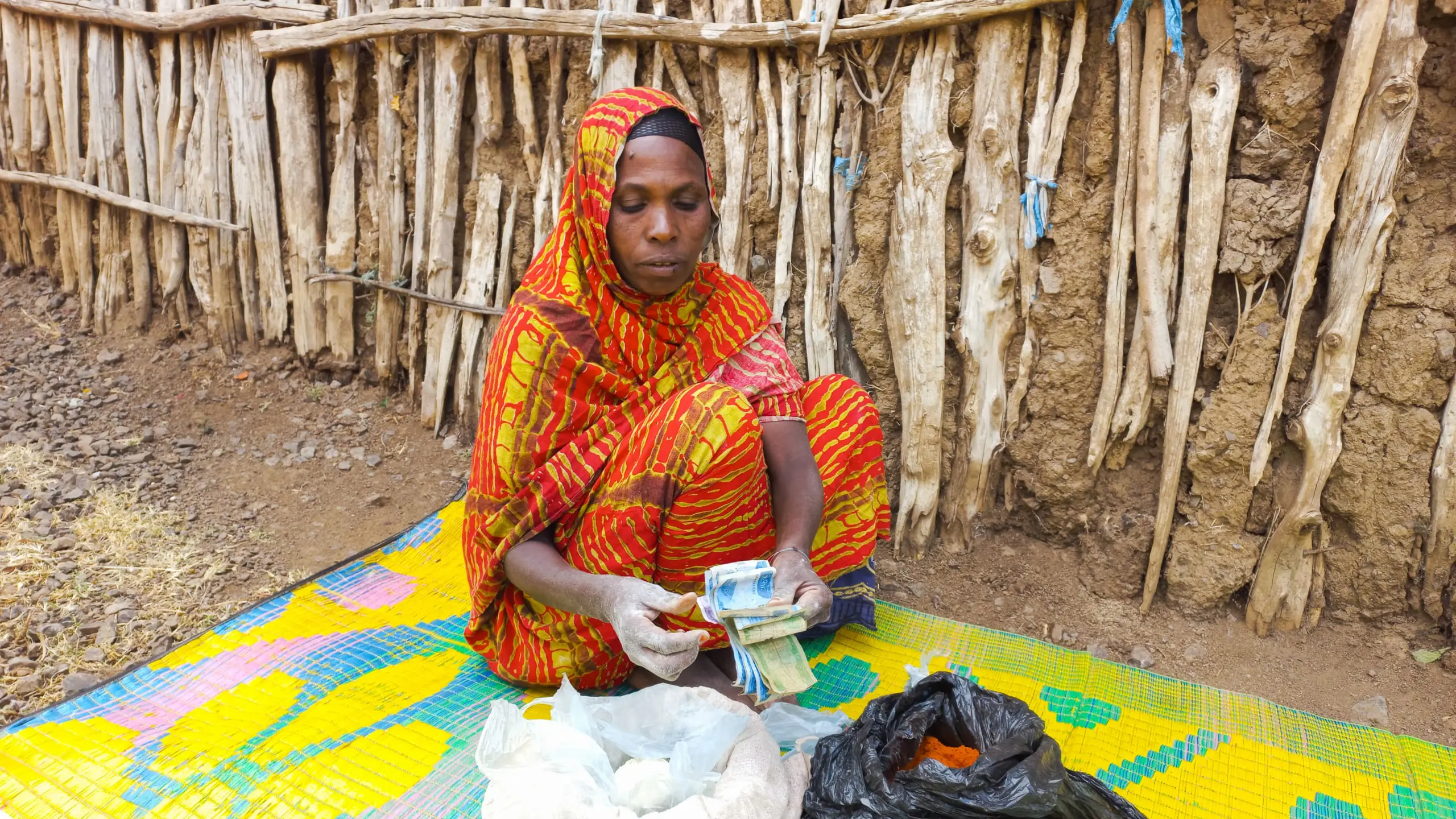
As a mother living in rural Ethiopia, Asha struggled to provide for her family. Her husband’s irregular income left the family in constant financial strain, and Asha’s lack of agency over household finances created tension and helplessness. The lack of resources impacted not only her family’s nutrition but also Asha’s mental health, leading to a sense of isolation and despair.
Then Asha participated in the Group Problem Management Plus (GPM+) program, part of World Vision’s Strengthen PSNP Institutions and Resilience II (SPIR II) program, funded by USAID’s Bureau for Humanitarian Assistance. The experience was a game changer. She learned practical skills in stress management, problem-solving, and community engagement. With support from her community’s Village Economic and Social Association (VESA), Asha secured a small loan to start a business selling hot peppers and chickpea stew.
The results have been transformative. Asha’s business now provides a stable income, allowing her to meet her family’s needs, ensure her children’s education, and improve their nutrition. Her success has created jobs for local youth and inspired other women in her village to pursue entrepreneurship.
By addressing both emotional and practical barriers, programs like SPIR II exemplify how integrating psychosocial support with economic empowerment can break cycles of economic violence and enable women to reclaim their agency.
Youth leading change: Saviet’s Mission in Cambodia

In Cambodia, the Youth for Change project is equipping young leaders like 18-year-old Saviet to become agents of positive change. Growing up in a community where domestic and gender-based violence were prevalent, Saviet has turned her experiences into a commitment to advocate for child protection and gender equality.
The project’s primary goal—to empower adolescents and youth as agents of positive change—is deeply tied to World Vision’s GESI approach. By challenging ingrained social hierarchies and removing barriers, Youth for Change fosters an environment where young people, especially girls, can thrive. Recent data from World Vision’s 2021 GESI assessment in Cambodia revealed stark inequalities in household responsibilities and the prevalence of violence. Women spend approximately eight hours daily on household chores and nurturing, compared to three hours for men, limiting their opportunities for social and economic participation. Moreover, girls and youth living with disabilities face higher rates of violence and persistent discrimination.
Through life skills training, community service projects, and mentorship, the Youth for Change project empowers young leaders to challenge these barriers. Saviet’s leadership in Reading Camps and social accountability initiatives enabled her to address violence, promote positive discipline, and advocate for inclusive change. Her participation in regional and international forums amplifies her voice, inspiring others to follow her lead.
The project has shown remarkable results. In just three years, the percentage of youth demonstrating leadership capacity increased from 29% to 59%, and over 93% of vulnerable youth now report knowing where to access support services. By creating space for youth voices and equipping them with tools for advocacy, this initiative builds a foundation for long-term resilience and social transformation. World Vision’s GESI approach not only transforms individual lives but also reshapes societal systems to enable equal participation for all.
Community Changemakers: Engaging Faith Leaders to be Channels of Hope
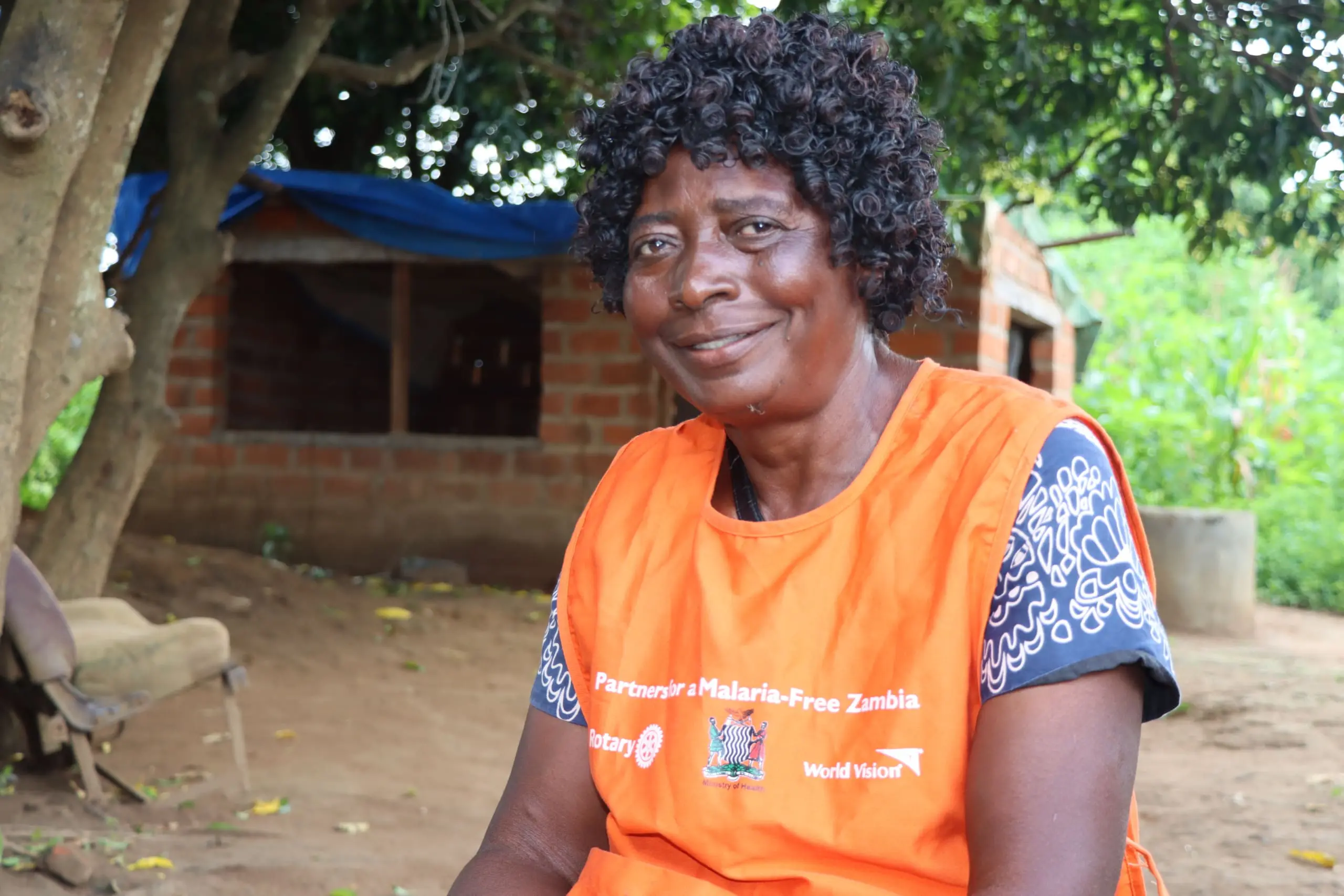 In rural villages and urban neighborhoods in fragile contexts around the world, Community Health Workers (CHWs) are pivotal in addressing GBV, particularly its non-physical forms. Embedded within their communities, CHWs possess the trust and cultural insight necessary to identify and address these subtle manifestations of violence.
As trusted figures, CHWs provide critical support by identifying instances of violence, offering immediate care, and connecting survivors to essential services. Through initiatives like World Vision’s Integrated Community Case Management (iCCM) strategy, CHWs are trained not only to address health needs but also to recognize and respond to GBV. Programs like Timed and Targeted Counselling (TTC) further equip CHWs to engage families in conversations about maternal mental health, early childhood development, and healthy relationships. By fostering trust and communication, CHWs play a vital role in breaking cycles of psychological and social violence.
In a recent study spanning four countries, CHWs spoke about their role in preventing and responding to violence. Many described how their work extends beyond treating illness to nurturing healthier communities by promoting positive parenting, guiding families through conflict resolution, and creating spaces where survivors feel safe. Over 60% of CHWs interviewed had intervened in cases of violence, supporting survivors and fostering safer homes.
Through comprehensive training, support systems, and psychosocial programs, World Vision equips CHWs to effectively address non-physical forms of GBV. Their deep community ties and enhanced capabilities make them indispensable in creating safer, more equitable environments for all.
Community Changemakers: Engaging Faith Leaders to be Channels of Hope
 In communities where faith shapes daily life, faith leaders have unparalleled influence. World Vision’s Channels of Hope program engages these leaders to challenge harmful norms and promote gender equality through faith-based dialogue. The program equips faith leaders with tools combining evidence-based strategies with teachings from religious texts embraced by the community, using faith-based dialogue to address issues like female genital mutilation (FGM), early marriage, teen pregnancy and economic control.

Doussa in front of her home in her village.
In Mali, this approach has yielded measurable results. Faith leaders trained through Channels of Hope reduced community acceptance of FGM by 17%, encouraging families to reimagine their daughters’ futures. By engaging men and boys, these leaders are shifting perceptions about the role of women and girls in society. Leaders who once hesitated to discuss these issues now champion equality from their pulpits, fostering attitudes that protect women and children.
World Vision’s faith-based identity enables us to build trust with local religious leaders, who often have unparalleled influence in their communities. Through these partnerships and the Channels of Hope approach, we are partnering with faith actors to transform deeply rooted beliefs into powerful advocacy, promoting gender equality as a shared value across faith traditions.
Ending GBV in all its forms
The fight against GBV requires addressing the invisible forces that perpetuate inequality and harm. Through innovative programs and approaches rooted in our GESI framework, we are creating pathways for individuals, families, and communities to thrive.
During this 16 Days of Activism, we invite you to join us in reshaping norms, advocating for survivors, and building brighter futures. Together, we can create a world free from gender-based violence.
Explore and Learn More
Promising Practices for Gender Equality and Social Inclusion
Advancing gender equality and social inclusion (GESI) is critical to achieving World Vision’s mission of serving the most vulnerable. Producing evidence of impact that is GESI-responsive is core to this mission. Discover evidence-based promising practices that integrate gender equality and social inclusion into development work and see what works in driving sustainable change. Explore promising practices in GESI.
Advocate to Stop Gender-Based Violence
Learn how you can help advance legislation and policies to stop gender-based violence and support survivors. Explore World Vision’s advocacy initiatives and blogs to discover actionable steps you can take to make a difference. Read more about advocacy for GBV survivors.
Discover More About World Vision’s GESI Approach
World Vision’s Gender Equality and Social Inclusion (GESI) approach is central to our work in empowering vulnerable populations. Learn more about how we integrate GESI principles across our programs to achieve lasting, transformational change for individuals, families, and communities. Learn more about World Vision’s GESI approach.
