Research
Religious leaders play a key role in influencing the uptake of family planning (FP). This study, part of the Healthy Timing and Spacing of Pregnancies…
Faith & Dev
Health
The Core Group Partnership Project is a multicountry, multi-partner initiative led by World Vision that strengthens host country efforts to eradicate polio and other epidemic-prone infectious diseases through improved vaccine uptake, community-based surveillance, and health system strengthening.
World Vision supports the health of vulnerable families worldwide by training and equipping over 184,000 community health workers and thousands more community groups in 46 countries to deliver essential services. That’s more than any other nongovernmental organization.
Since 2002, World Vision has been a strategic Global Fund partner. In 2024 alone, World Vision managed 19 Global Fund grants across 15 countries, tackling malaria, HIV, and TB through comprehensive, community-based programs
For any child to achieve his or her full potential, the foundational building blocks of good health and nutrition must be established even prior to birth. Undernutrition, infectious diseases, weak or nonexistent health systems, and reduced access to vital health information can have lifelong consequences for children and communities. Investing in a child’s health impacts both their physical and cognitive growth and economic well-being, which can positively affect future educational and productive opportunities.
For this reason, we adopt a whole health systems programming approach in our programming around maternal, newborn, and child health and immunization; reproductive health and family planning; healthy timing and spacing of pregnancies; nutrition; water, sanitation, and hygiene (WASH); and infectious diseases, including the prevention and treatment of HIV and AIDS, tuberculosis, and malaria. We focus on crosscutting issues, including gender equality, social inclusion, and disability, collaborating across our sector programs in all aspects of our health programming.
We work in partnership with government health systems, populations, and geographies to empower people to identify and prioritize their own health needs, generate solutions, and set their own goals — equipping them to sustain progress long after we have left. Whether we’re working in stable or fragile states, we help provide lifesaving support and durable solutions for the world’s most vulnerable children and their families.
Religious leaders play a key role in influencing the uptake of family planning (FP). This study, part of the Healthy Timing and Spacing of Pregnancies…
Between 2012 and 2018, increased household coverage of insecticide-treated nets (ITNs) in Mozambique led to an estimated 14,040 under-5 child deaths being aver…
The "Prioritizing GESI Across Health Interventions in Western Equatoria" project in South Sudan focuses on integrating Gender Equality, Disability, and Social …
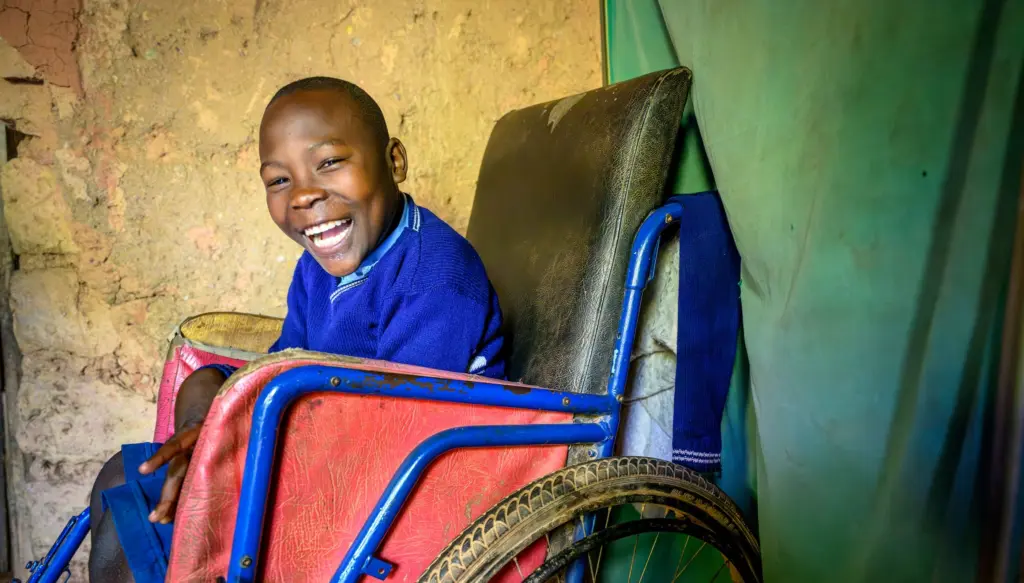
More than one billion people worldwide live with a disability — most in low- and middle-income countries where essential services are limited or out of…
On World AIDS Day, the global community pauses to reflect, recommit, and reimagine the path to ending HIV/AIDS. For World Vision, this day serves not…
Discover how World Vision’s inclusive programs, from Rwanda to Malawi, are breaking barriers and empowering individuals with disabilities through education, he…
Explore evidence-based insights and inspiring stories of change from communities around the world.

Forced to flee Khartoum, Hawa arrived in Blue Nile State facing the harsh realities of displacement — scarce shelter, limited healthcare, and a sick infant. Hope came through a nearby World Vision mobile clinic offering life-saving care.
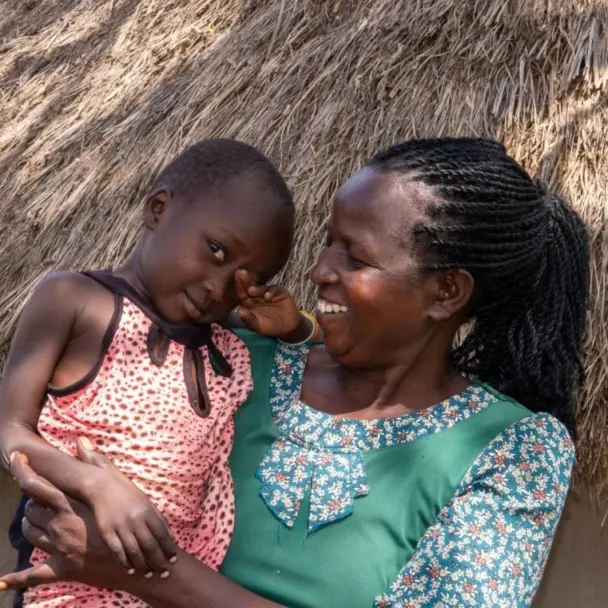
When her 3-year-old granddaughter Delilah developed a high fever and struggled to breathe, Akanya feared the worst. With no clinic nearby, she turned to a World Vision–trained community health worker — bringing life-saving care within reach.
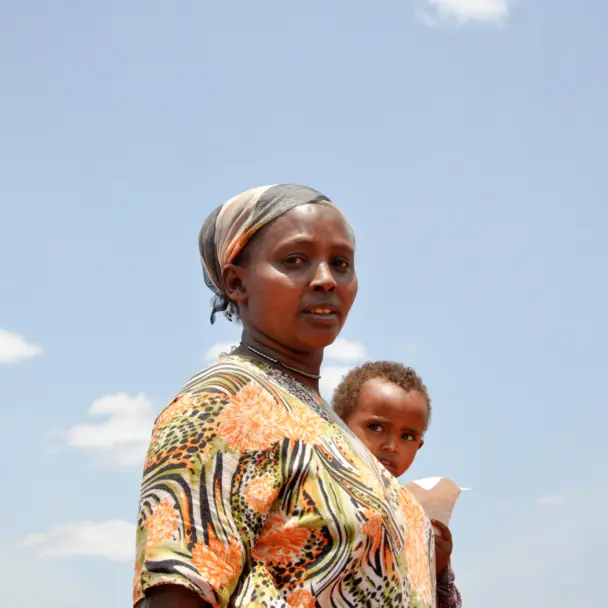
In remote Garba Tulla, Kenya, World Vision’s family planning project helped save lives by improving awareness of healthy pregnancy spacing and expanding access to voluntary services — proven to reduce maternal and child deaths.
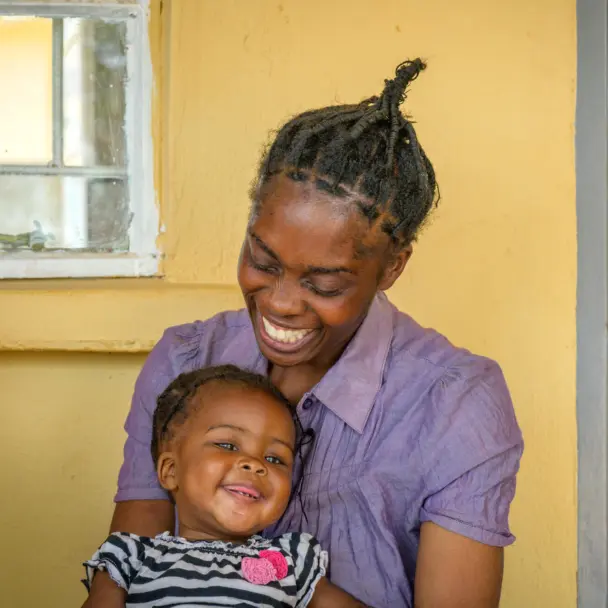
For years, a rural health clinic in Zambia operated without water, putting mothers and newborns at risk. But with the installation of a mechanized water system, World Vision helped restore dignity, safety, and better care for families.