
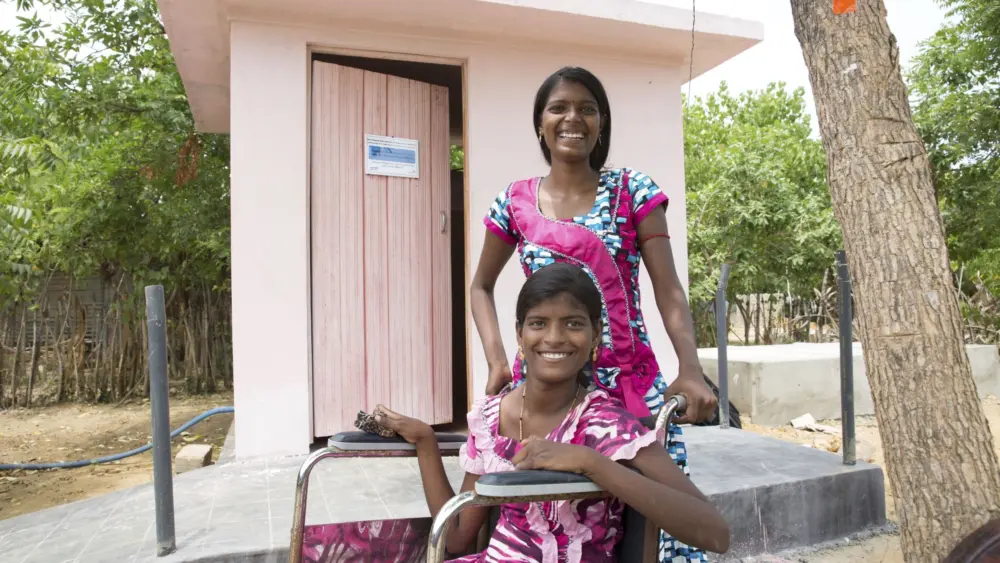
More than one billion people worldwide live with a disability — most in low- and middle-income countries where essential services are limited or out of reach. Children with disabilities face persistent barriers across education, health care, protection, and participation, leading to fewer chances to learn, greater health risks, and exclusion from community life. When these children are left behind, cycles of poverty deepen — families struggle, local economies weaken, and progress toward long term development slows.
World Vision is helping to change that story. We’ve pledged to serve five times more children with disabilities by 2026 — already reaching over three times our original baseline — and trained more than 4,000 staff and 19,000 volunteers in disability inclusion. Our partnerships with governments and Organizations of Persons with Disabilities (OPDs) — groups led by people with disabilities who advocate for rights and drive solutions — ensure programs reflect lived experience and build accountability.
These commitments, backed by evidence-driven programming and local leadership and collaboration, are turning inclusion from aspiration into measurable progress across health, education, and WASH. When communities build systems that welcome everyone, children gain opportunities, caregivers gain hope, and societies gain strength.
Able to Thrive: Case Management That Changes Lives
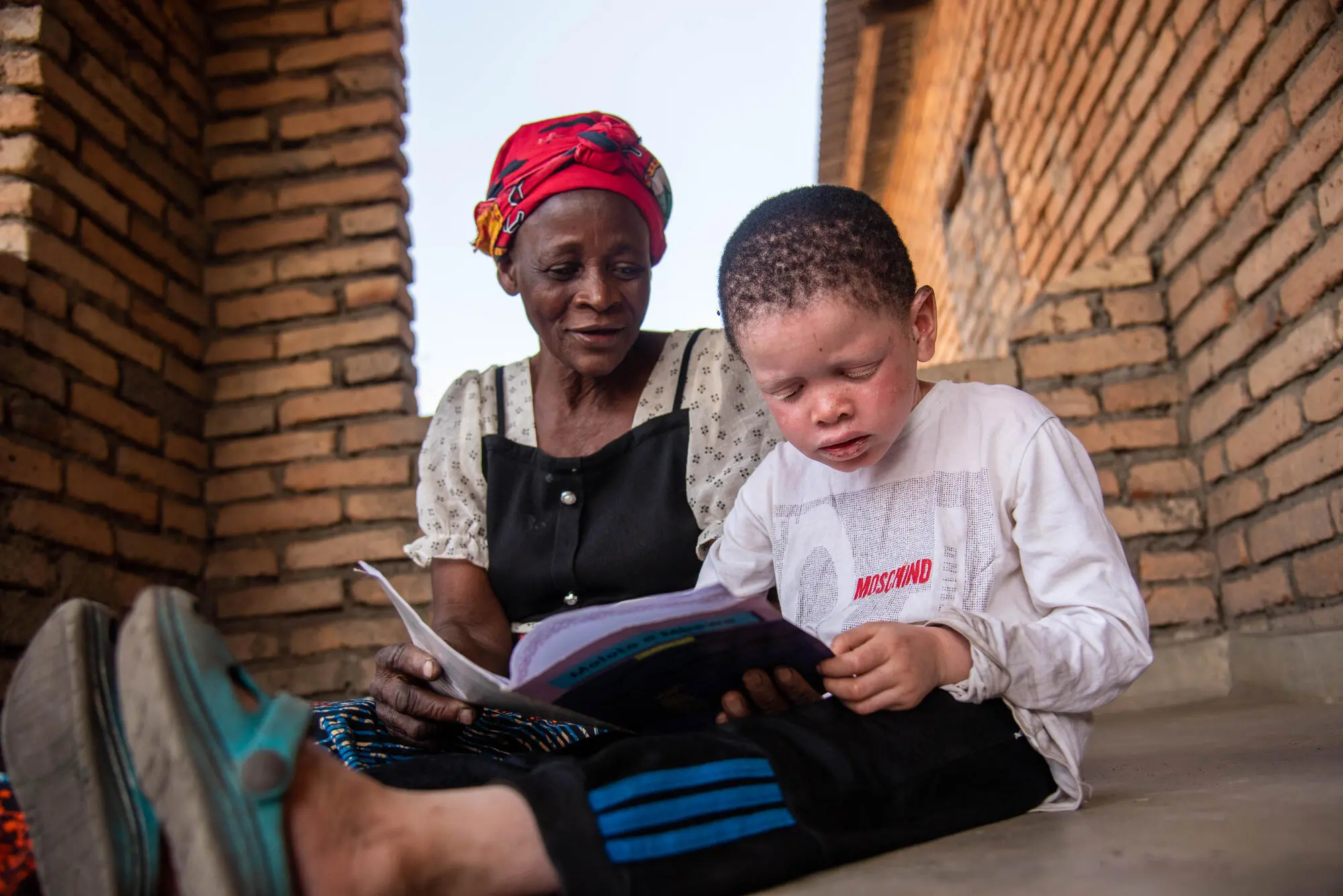
In rural areas of Malawi and other countries, access to disability services is limited for the estimated 240 million children with disabilities worldwide, according to UNICEF. World Vision’s Able to Thrive model of a coordinated, community-driven case management approach is showing that high-quality disability support is possible even in the most remote places.
Through Able to Thrive, 91% of enrolled children demonstrated improved functionality. The model works because it connects people, data, and care systems through five interlocking components.
- Community-based Identification. Trust at the community level is essential; it transforms attitudes and builds confidence to seek help. World Vision equips faith leaders, OPDs, volunteers, and local chiefs to work together to identify children with disabilities — reducing stigma, increasing visibility, and helping ensure families feel supported as they come forward.
- Digital Case Management. Once identified, each child’s journey is tracked in a digital case management system that captures screenings, referrals, and follow-up visits. This ensures continuity of care and strengthens local social service data systems.
- Biannual Screenings and Referrals. Multidisciplinary teams provide biannual screenings and link families to rehabilitation, assistive devices, and specialist services. Early identification and timely referral dramatically improve long-term outcomes, giving children the best chance at growth and independence.
- Parent Support Groups. Able to Thrive offers caregivers the skills and confidence to advocate for their children and support one another. Many parents go on to become local advocates, helping other families in their community and extending the circle of inclusion.
- Dedicated Case Managers. Trained case managers provide consistent oversight — visiting homes, monitoring progress, and bridging gaps between health providers, schools, and social services. Because projects like Able to Thrive equip government and local service providers to sustain these systems, the benefits endure long after the project ends.
Community ownership is fundamental to sustainable progress. When inclusion starts at the community level, transformations spread systemwide. By learning to identify needs early, track data, and connect families to care, communities build stronger social systems for everyone. The model represents a cost-effective, scalable approach to disability inclusion that can be adapted to other countries and contexts.
Inclusive Education: Learning Without Limits
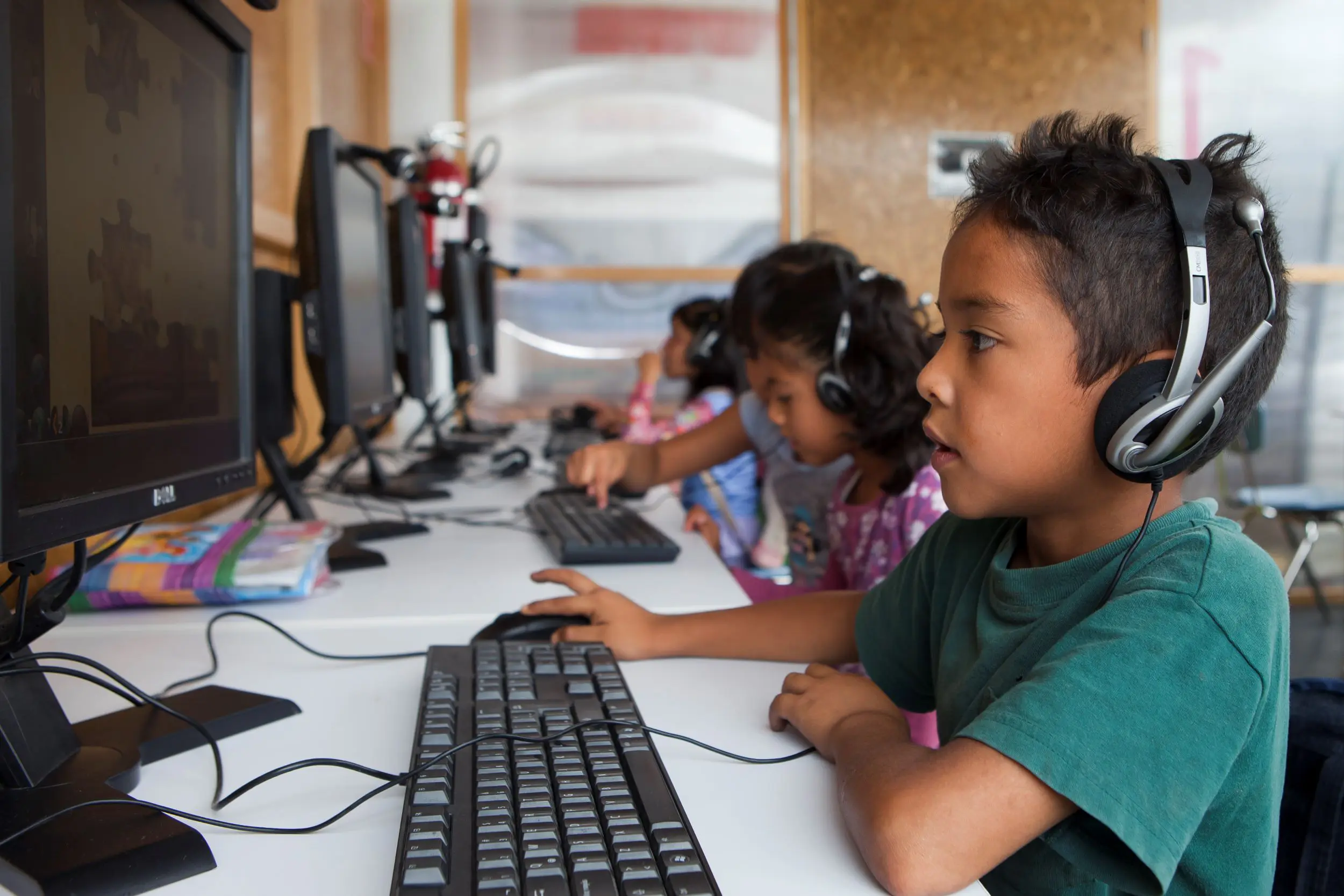
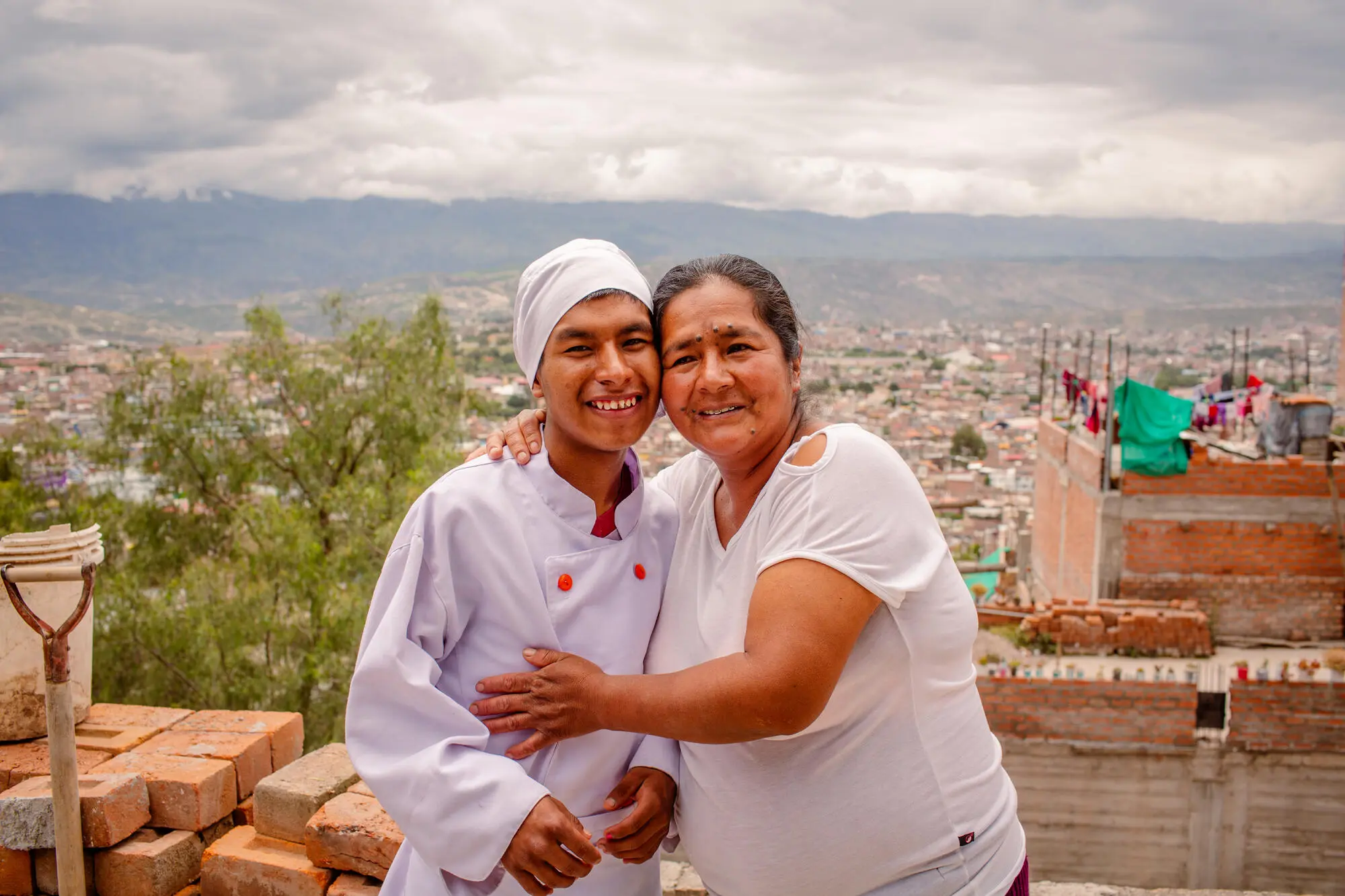
Photo credit- Fundacion Proacceso
Education is one of the most powerful ways to break the cycle of poverty — and one of the hardest systems for children with disabilities to access. World Vision integrates Universal Design for Learning (UDL) across our education programs to make classrooms flexible and responsive to every learner. UDL is an evidence-based framework that helps teachers present information in multiple ways, give students varied ways to demonstrate understanding, and remove unnecessary barriers to participation.
Our Measuring Evidence of Quality Achieved (MEQA) system — a structured tool that helps teachers and program staff assess classroom environments and teaching practices — helps teachers put these principles into action and track inclusive practices. In Malawi, this combination nearly doubled school attendance for children with disabilities in just three years.
Change happened not just in the classrooms but in communities as well. Dialogue with 80 community leaders — including five chiefs — helped families feel safe in identifying children with disabilities and encouraged open participation in schools.
World Vision also expands access through education technology. With the U.S. and Australian governments, World Vision co-lead All Children Reading: A Grand Challenge for Development (ACR GCD) — a global initiative funding and testing innovative solutions to improve literacy for children in low-resource contexts. Together, we’ve supported the development of accessible digital books in underserved languages, braille- and sign language–enabled tools, inclusive digital libraries, and adaptive literacy assessments for children who are blind or deaf.
When children with disabilities can learn alongside their peers, stigma decreases, community empathy grows, and education systems improve for all. Inclusion in the classroom goes beyond expanding access — it strengthens the quality and resilience of learning itself.
Disability-Inclusive WASH: Design for Dignity
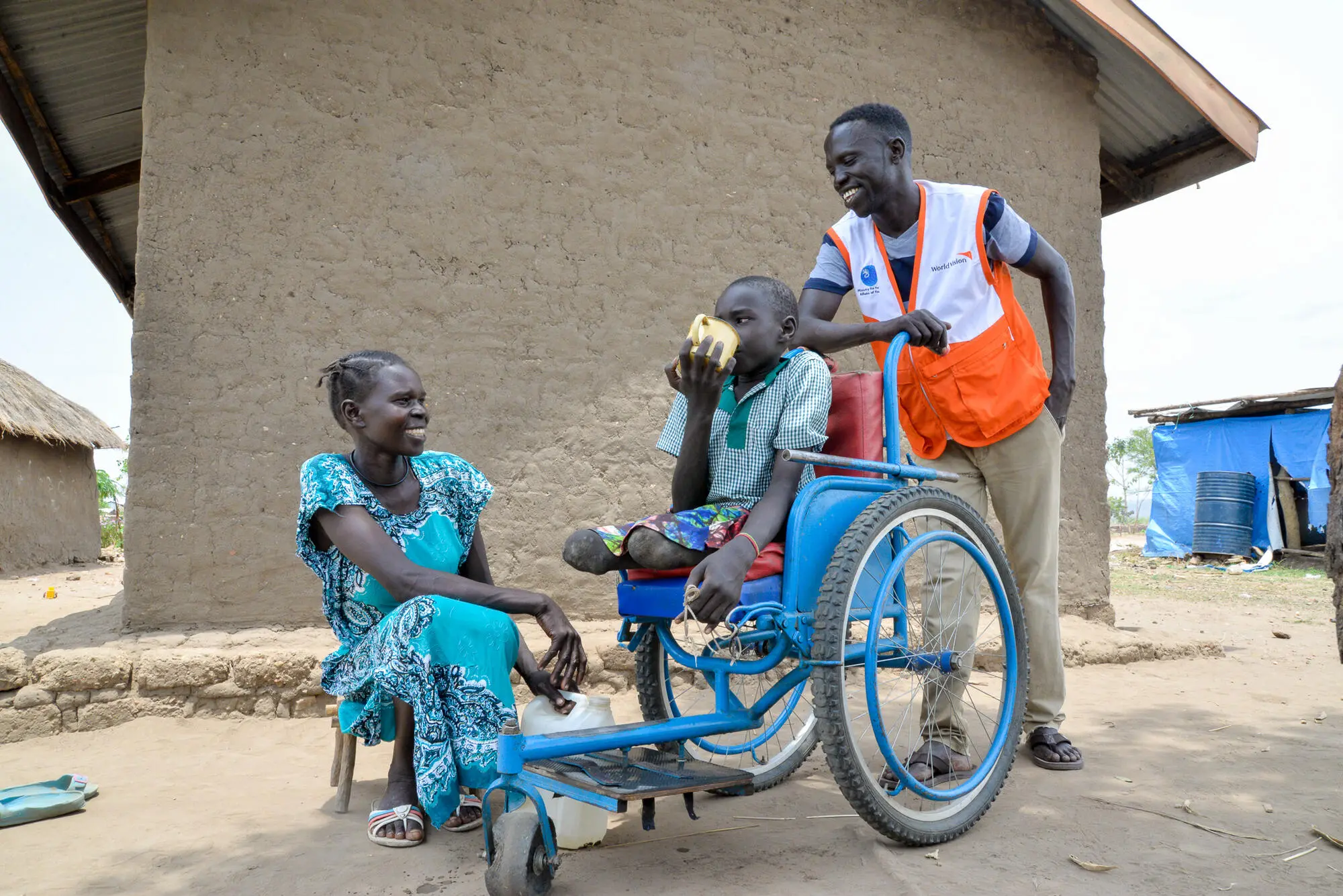
Accessible water points in Kyangwali refugee camp provide clean drinking water for all.
Water, sanitation, and hygiene (WASH) define who can learn, stay healthy, and participate safely. When toilets or water points are inaccessible, children with disabilities are at higher risks of missing school, experiencing health complications, or being excluded from community life. Inclusive WASH design helps ensure safety and dignity — and it also sends a powerful message to the community that every person matters.
World Vision’s Disability-Inclusive WASH Guide translates that truth into practical design. It provides clear standards for inclusive facilities — from ramps, handrails, and widened entrances to gender-sensitive latrines and accessible water points. By incorporating disability inclusion principles from the start, we help ensure the most marginalized are considered in program design.
Beyond structural improvements, these designs contribute to restoring dignity and independence. For example, in Malawi, accessible WASH facilities and bathrooms equipped to manage menstrual health have reduced absenteeism among girls with disabilities and strengthened participation in school life.
When communities design for inclusion, they create environments that are safer, healthier, and fairer for all.
Collaboration That Lasts
Sustained, systemic inclusion depends on shared leadership across communities and institutions. World Vision works alongside OPDs, faith leaders, parent groups, service providers, and government ministries to build systems that endure, ensuring that programs reflect community priorities and respect rights.
Community accountability also drives change. Through Citizen Voice and Action (CVA), World Vision equips residents to evaluate public services, identify gaps, and collaborate with local authorities to improve them. In Colombia, the U.S. government funded TEAM project involved nearly 3,000 people with disabilities in CVA processes, resulting in 175 documented service improvements — from shorter wait times for care to better access to specialists and employment opportunities.
Capacity building is integrated across all programming. Tools like Travelling Together — a World Vision training resource — help staff, volunteers, and local leaders to recognize barriers to inclusion and integrate practical solutions across programs from within. This learning is shared across 37 countries, connecting more than 130 partner organizations in a global network of practice.
When local actors share responsibility and knowledge, stigma fades, services improve, and inclusion becomes the community’s own standard of success. Sustainability is no longer a goal on paper — it’s embedded in daily life.
Recognition: Global Validation of Innovation and Impact
World Vision’s leadership in disability-inclusive programming has been recognized globally through multiple Zero Project Awards, one of the world’s leading platforms for identifying and celebrating scalable, evidence-based solutions for persons with disabilities. World Vision has been honored across sectors including education, WASH, livelihoods, and social accountability. These recognitions affirm both the innovation and impact of inclusive approaches and the strength of the local partnerships that make them work.
Malawi’s Tiwerenge 365 (T365) Digital Books Project received the Zero Project Award for inclusive education and information and communication technology (ICT). The initiative, part of World Vision’s Unlock Literacy program, developed more than 270 accessible digital books — many featuring audio narration and sign language video — and delivered them through solar-powered kits, tablets, and micro-projectors to reading clubs and schools. The project has brought accessible learning materials to thousands of children, including those who are deaf, have low vision, or face other learning challenges.
World Vision’s inclusive WASH designs have also been recognized for transforming how communities think about accessibility and dignity. From ramps and handrails to menstrual hygiene solutions for girls with disabilities, our practical designs have shown that inclusive infrastructure can be built affordably and at scale — improving participation and safety for children and adults alike.
This year, World Vision was honored with two Zero Project awards.
- World Vision Vanuatu’s Veivanua Campaign, co-designed with persons with disabilities and partners, provides menstrual health support for women and girls with intellectual disabilities during emergencies. The initiative uses inclusive storytelling, reusable period packs, and hands-on caregiver training, and has scaled across Vanuatu as a replicable, low-cost model for humanitarian contexts.
- World Vision Malawi’s Disability Case Management App enables community workers to identify children with disabilities, generate tailored support actions, and monitor outcomes in real time. Developed with national disability organizations, the app has reached nearly 5,000 children in Malawi and is now used in multiple countries, making scalable, data-driven inclusion possible in rural communities.
These recognitions are testaments that evidence-based innovation and partnerships make inclusion possible. Each recognition underscores how research and local leadership translate into action, delivering measurable impact, and scales solutions across borders. These approaches are not only effective but replicable — strengthening the case for collaboration to reach more children, families, and communities with programs that leave no one behind.
Breaking Barriers and Building Futures
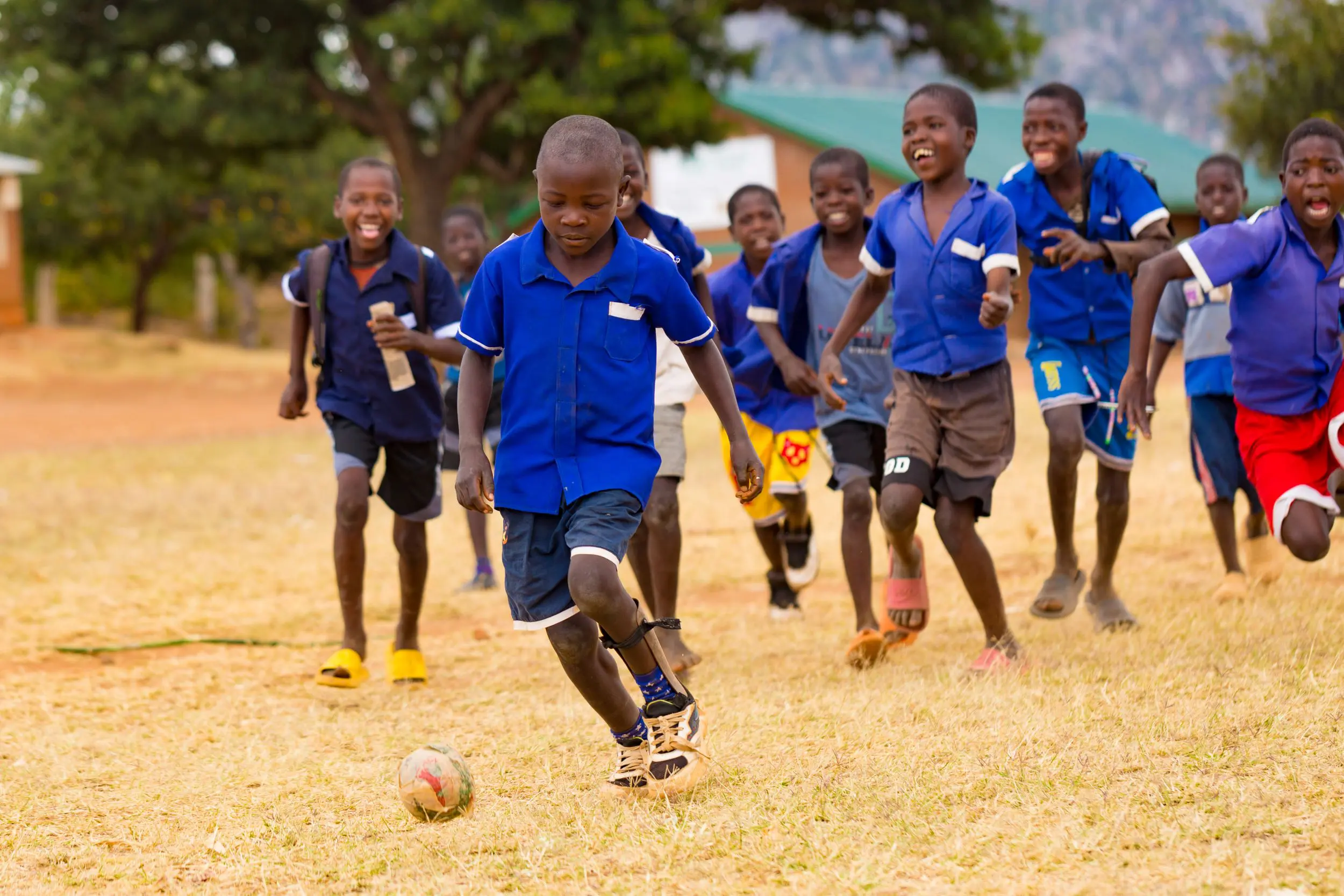
On this International Day of Persons with Disabilities, World Vision reaffirms a simple truth: inclusion is both the right thing to do and the smart way to build stronger, more resilient communities. By pairing evidence-based programming with local leadership and enduring partnerships, we are breaking barriers and building futures where every child — regardless of ability — can learn, participate, and thrive.
Learn More
Explore our guides, toolkits, and evidence resources:
- Disability Inclusive WASH: Practical Implementation Guidance for Programs
- All Children Reading: A Grand Challenge for Development | Final Report
- Promising Practices for Children with Disabilities
- Layering Social Accountability Interventions to Strengthen Local Education Systems
