
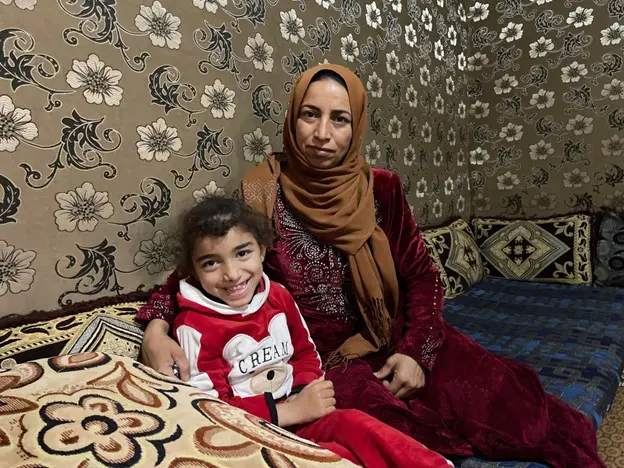
As winter tightens its grip around the Middle East, the cold months bring more than just a drop in temperature; they exacerbate the already severe hardships faced by vulnerable populations affected by wars, conflicts, and natural disasters. In Afghanistan, the 2023 earthquakes in Herat province compounds the vulnerability of communities already at risk. In the thirteenth year of conflict, the Syrian crisis has pushed millions into poverty and displacement, with the February 2023 earthquake intensifying hardships. Turkey, while attempting to provide refuge to millions, also grapples with the aftermath of the February earthquake.
These disasters not only devastated infrastructure but also left survivors, including a significant number of refugees, in dire need of support to survive the winter months. Access to essential services (like healthcare), and basic needs (like heating and shelter) become a matter of life and death. Women and girls, in particular, face heightened risks, including increased poverty, violence, and health issues. The struggle for warmth often leads to the use of unsafe heating methods, posing further risks to their safety and well-being.
Winter also introduces significant challenges for humanitarian agencies operating in these regions. The cold weather increases the demand for shelter, heating, and clothing, stretching the resources of aid organizations thin. Moreover, winter conditions can hinder the delivery of aid due to blocked roads and damaged infrastructure, making it difficult to reach those in dire need.
In 2022, World Vision released Out in the Cold, a report that provides a critical analysis of the winter-related challenges faced by displaced female-headed households along with lessons and recommendations to guide work in these and other regions. The report highlights how winter exacerbates existing vulnerabilities, making access to income, healthcare, and education even more difficult for women and girls living in refugee and internally displaced persons camps. The cold weather also heightens the risk of food insecurity and exposure to violence.
Through this research, World Vision identified the need for targeted winterization support, emphasizing the importance of providing thermal blankets, warm clothing, fuel for heating, and cash assistance to enable families to meet their basic needs during the cold months. The research also sheds light on the gender-specific challenges and barriers women face in accessing resources and participating in economic activities, further advocating for gender-sensitive interventions.
Drawing on the research that went into the report, World Vision distilled several key lessons and recommendations to guide the work of actors in these regions, including implementing age, gender, and disability-responsive needs assessments to ensure that interventions are effectively tailored to the needs of the most vulnerable; recognizing female-headed households as a significant vulnerability criterion for selecting participants for winterization interventions; and emphasizing the importance of prioritizing cash assistance for winter support, enabling families to decide for themselves how best to meet their needs. (Read more in the report.)
World Vision also implements programs that go beyond immediate response to crises. Our evidence-based and sustainable initiatives focus on building resilience among affected communities, not only providing immediate relief, such as distribution of winter kits and healthcare services, but also equipping individuals through programs providing vocation training, education, and psychosocial support. These efforts equip communities to better withstand future challenges and break the cycle of dependency on humanitarian aid.
These challenges underscore the need for innovative approaches and sustained support—and we all can play a role in addressing these critical needs:
- If you are on the front lines, consider integrating the evidence-based practices and lessons from World Vision’s Out in the Cold research into your winterization programs. Prioritize gender-sensitive and disability-inclusive strategies to ensure that aid reaches the most vulnerable, including female-headed households and persons with disabilities. Share your insights and on-the-ground experiences with us; together we can gain a richer understanding of effective interventions.
- Collaboration is key to amplifying impact. If you are a leader in your organization, consider joining forces with international partners like World Vision to leverage resources, expertise, and networks. Local knowledge and connections are invaluable for tailoring interventions to the specific needs of communities. Engage in capacity-building activities to enhance your ability to respond not just to immediate needs but also to work towards sustainable solutions that address the root causes of vulnerability.
- If you are looking to invest in winterization projects and make long-term development programs possible, look for initiatives that offer comprehensive support to affected populations, from emergency relief to resilience-building measures. Consider funding programs that prioritize education, healthcare, and economic empowerment, particularly for women and girls. Transparent, accountable, and flexible funding mechanisms will enable more agile and effective responses to the evolving needs on the ground.
- For every one of us, awareness and advocacy are powerful tools at our disposal. Spread the word about the challenges faced by displaced families during winter and the importance of sustainable humanitarian aid. Consider supporting organizations like World Vision through donations, volunteer work, or by amplifying messages on social media. Every action counts, and your engagement can help mobilize more resources towards these critical issues.
By working together, leveraging each group’s unique strengths and resources, and focusing on innovative, evidence-based, and sustainable solutions, we can make a significant difference in the lives of those who need it most. Let’s unite in our efforts to provide warmth, safety, and hope to displaced families and communities facing the harsh realities of winter.
