Reports
In 2023, World Vision marked the conclusion of its global campaign It takes a world to end violence against children, which launched in 2017 to…
Child Protection

We work with children, families, community and faith leaders, and governments to tackle the root causes of violence and build protective environments where children can thrive.
Over 1 billion children worldwide — half of the world’s children — experience some form of violence every year. Whether it’s physical or sexual abuse at home, bullying in school, community violence in gang-controlled communities, or harmful traditional practices like child marriage, children experience violence at every level of society.
World Vision supports the development of protective environments for young people, where they are enabled to protect themselves and their peers, families are better equipped to care for their children, community and faith leaders are working to support children in need, and governments fulfill their mandate to protect and assist children exposed to violence. Working alongside community members, World Vision equips young people with life-skills and resilience training, while also providing their caregivers with training in positive parenting. Additionally, we help mobilize communities to challenge traditional practices that harm children.

Just as the drivers of violence against children are varied and complex, achieving meaningful results requires multisectoral solutions. This means that in addition to ensuring robust laws and policies and adequate services, World Vision also considers the root causes of violence. In our work to reduce child marriage, World Vision works toward societies where (1) girls are able to decide if, when, and whom to marry, and (2) a protective and enabling environment exists for communities to reject child marriage.
To achieve these objectives, World Vision applies evidence-based interventions across five pillars to address barriers to this reality — increasing access to quality education for girls; promoting life skills, agency, and participation for adolescent boys and girls; supporting households in increasing livelihoods and resilience; addressing harmful social norms and behaviors among caregivers and communities; and strengthening child protection systems to prevent and respond to child marriage.
Sustainable improvement of protective environments for children requires a lasting contribution to the systems and structures designed to protect them. Wherever possible, World Vision works in partnership with government and formal stakeholders to support lasting change within these structures.
Armenia: CLASS
Over seven years, the USAID-funded Community Level Assistance to Social Services (CLASS) project — implemented by World Vision and the Child Development Foundation — strengthened the country’s social protection system through effective community-based social work, improving the lives of the most vulnerable children and their families across 10 regions (60 communities) and in Yerevan. The project institutionalized community-based social workers (CSWs) within local government and enhanced communities’ capacity to identify and address social issues. By the project’s end, 87% of communities employed CSWs, and 27 legislative amendments were submitted to regulate community social services. In total, 199,626 vulnerable individuals benefited from U.S. government–supported social services.
The project contributed to legislative changes related to child protection, with successful advocacy leading to the establishment of a government-mandated CSW position at the local level. Additionally, in collaboration with the Armenian Ministry of Labor and Social Affairs and academic partners, World Vision helped develop training and certification curricula for CSWs and an online training program to increase the capacities of social workers in remote areas of the country. A total of 199 CSWs successfully completed the specialized educational course. Initiated by the project and now mandated and largely funded by the Armenian government, CSWs are recognized as key actors in the early identification and prevention of violence and abuse, and are primary points of referral to critical services for vulnerable children.
As key influencers of attitudes and norms in their communities, faith leaders are essential partners in sustainably advancing the prevention of violence against children. However, they are not automatically equipped to champion the causes of the most vulnerable in their communities. We work directly with faith leaders from diverse religious backgrounds, equipping them with development-appropriate concepts that empower them to transform their thinking and inspire their communities to better support the most vulnerable.
We work with faith leaders through Channels of Hope for Child Protection (CoH-CP), World Vision’s signature model for motivating faith leaders and their communities to address abuse, neglect, exploitation, and other harmful practices. Since 2003, World Vision has trained more than 500,000 faith leaders through Channels of Hope and has used the model in more than 50 countries to change attitudes and norms and address the issues that make children vulnerable.
Research by Queen Margaret University across three countries with different religious environments found that faith leaders engaged in World Vision programming were motivated to improve child well-being. The study observed significant positive shifts in attitudes about child marriage, corporal punishment, and the willingness to report child abuse. For example, in Senegal, the Channels of Hope for Child Protection program led to a 31% increase (2017–2019) in faith leaders and their spouses opposing the idea of marrying off their daughter young as a solution to preventing pregnancy before marriage.
India: Child Protection Program
In World Vision’s Child Protection Program in India, 818 Muslim, Hindu, and Christian faith leaders were trained in CoH-CP and used their own scriptures to support protecting children from violence and exploitation. Muslim faith leaders led the Faith in Action – Call for Prayer and Action initiative, which reached 44,720 people across 240 mosques. Hindu faith leaders led the Save Our Girls campaign, which reached 1,881 people across 10 temples. One Muslim faith leader described how the training changed his community’s approach to child marriage:
“World Vision taught us for the first time about the consequences of child marriage for children and how it often ends in child sex trafficking. So now … we declared that we will no longer solemnize marriages if girls are below 18 years. We have also passed a resolution in our association that we will report all crimes against children immediately to concerned authorities without fear or favor.” — Muslim faith leader, India
In 2023, World Vision marked the conclusion of its global campaign It takes a world to end violence against children, which launched in 2017 to…
Global efforts to end child marriage — driven by government commitments and collaboration with civil society, communities of faith, and children themselves — h…
World Vision’s Channels of Hope for Child Protection is a faith-based approach that equips communities — particularly faith leaders and their networks — to add…
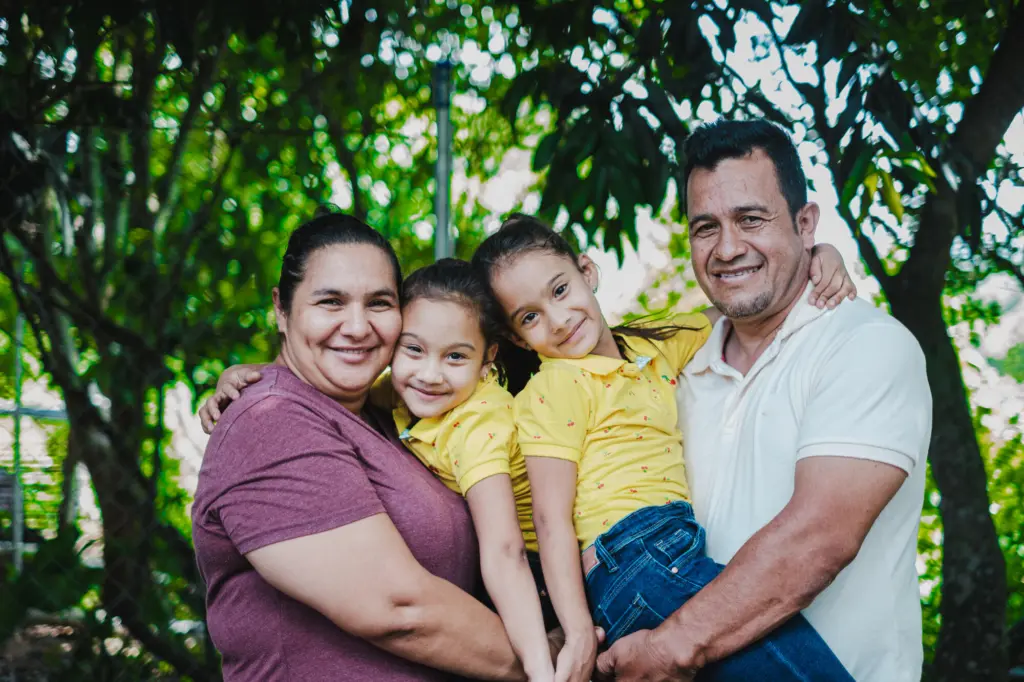
Washington, D.C., May 15, 2026 — As governments and development partners mark International Day of Families, this year’s theme — Families, inequalities, and ch…
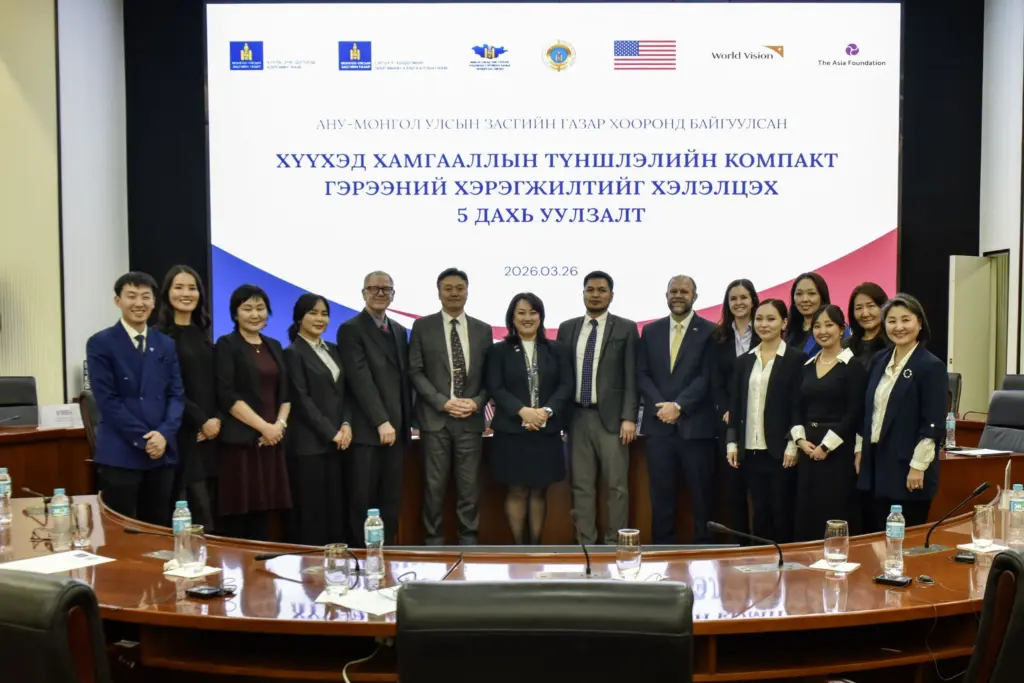
written by Matthew Stephens, Senior Technical Advisor for Child Protection, World VisionIn a Ministry of Foreign Affairs conference room in Ulaanbaatar last Ma…
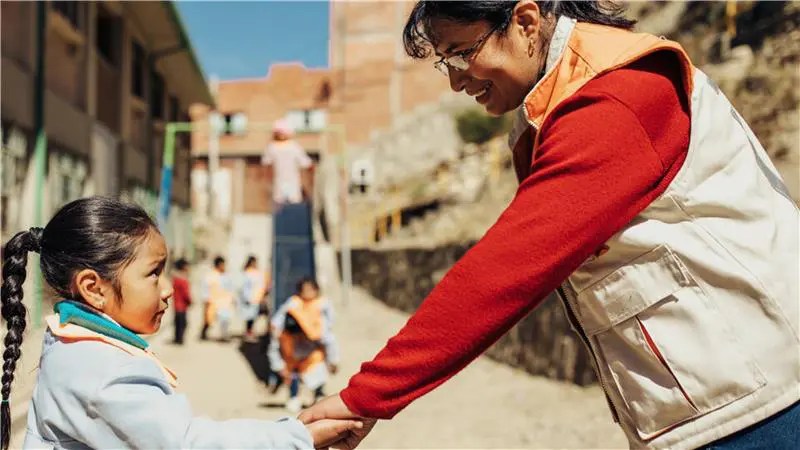
As the United States recognizes National Child Abuse Prevention Month (NCAPM), World Vision is shining a spotlight on its evidence-based initiatives to protect…
Hear from local faith leaders in Senegal, Guatemala, and Uganda as they share how Channels of Hope for Child Protection has transformed their understanding of sacred texts — and how they are now using these teachings to better protect children in their communities.

