
By Hannah Chargin, Director of Government Relations
In northern Mozambique, I once led a group of congressional staffers visiting World Vision’s work in the region. When we stopped at an elementary school, the children were lining up for lunch — bright bowls in hand, each waiting quietly.
For some, that meal was the only food they would receive all day.
Programs like these can look simple from the outside. But evidence shows that school meals are among the most cost-effective ways to fight child hunger while improving learning outcomes.
That’s why ration cuts are so alarming.
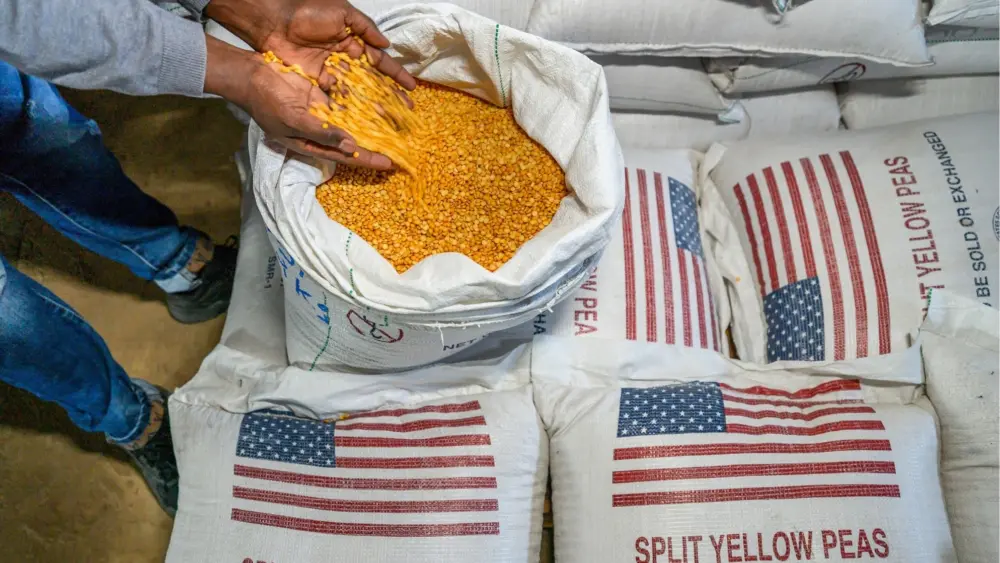
Recent research from World Vision and the World Food Programme — based on surveys of more than 5,000 households across 13 crisis-affected countries — shows just how quickly those cuts translate into hunger. The findings are stark: 58% of families are now experiencing severe hunger, and many report going entire days without food. Families whose rations were reduced are over five times more likely to face severe food insecurity.
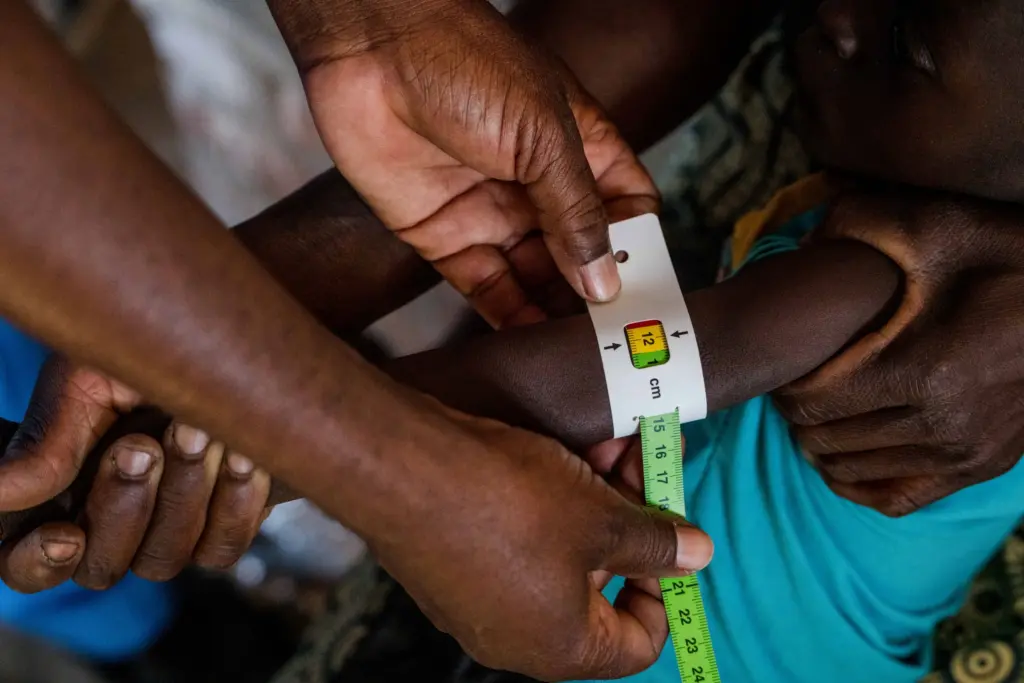
These impacts extend well beyond food consumption. The same research found that when rations are reduced, children face heightened risks: they are eight times more likely to be pulled into labor and six times more likely to be forced into early marriage as families struggle to cope.
On paper, a reduction in food assistance can read like a budget adjustment. In practice, it means less food on a plate, fewer meals in a week, and harder choices for families already facing impossible tradeoffs.
For policymakers and humanitarian and develop professionals, these findings point to a clear reality: when assistance shrinks, risk grows.
Why siloed responses fall short
Hunger is rarely just about food. It intersects with livelihoods, markets, public systems, and the compounding effects of conflict and climate shocks.
Yet responses are often structured as if these pressures exist separately, divided across emergency aid, development programs, and nutrition interventions.
Global evidence tells a different story. Integrated, multisectoral approaches — those that intentionally combine different forms of support — consistently lead to stronger nutrition and resilience outcomes.
This distinction matters now more than ever. The World Food Programme has warned that funding shortfalls could push millions into more severe food insecurity, with ration cuts placing millions of people at risk of slipping from crisis to emergency levels of hunger.
In an environment of constrained resources, fragmentation is not only inefficient — it undermines impact.
What integrated food security looks like in practice
Integration is not a theory. It is a way of designing programs so that interventions reinforce one another — meeting urgent needs while building toward stability.
School meals that connect to broader systems
In Mozambique, World Vision-supported school meal programs have provided daily meals to tens of thousands of children. But their impact extends beyond the classroom. When paired with agricultural training and local sourcing, these programs help strengthen food systems while improving attendance and learning outcomes.
That matters because hunger and education are directly linked. When children don’t have enough to eat, they struggle to concentrate, stay in school, and keep up with their peers. Consistent, nutritious meals also support healthy growth during a critical stage of development, helping reduce the risk of stunting, which is linked to diminished cognitive capacity and long-term learning challenges.
Globally, school feeding programs are already reaching hundreds of millions of children — but large gaps remain, particularly in low-income countries.
Programs that link meals to local production and community systems don’t just feed children for a day; they help stabilize both households and local markets over time.
Livelihoods that reduce vulnerability
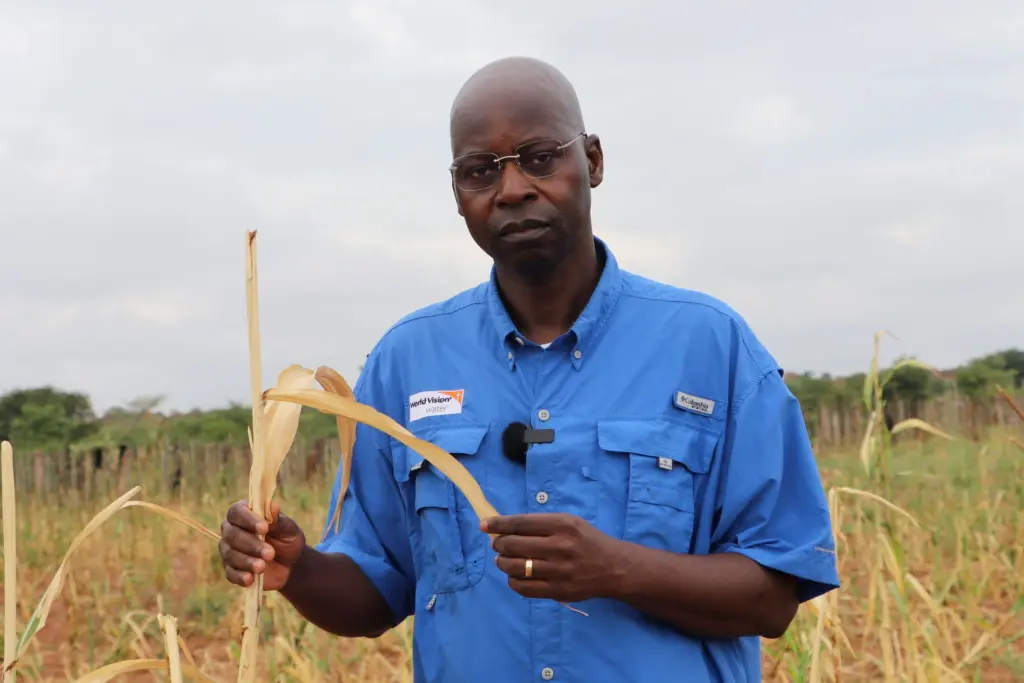
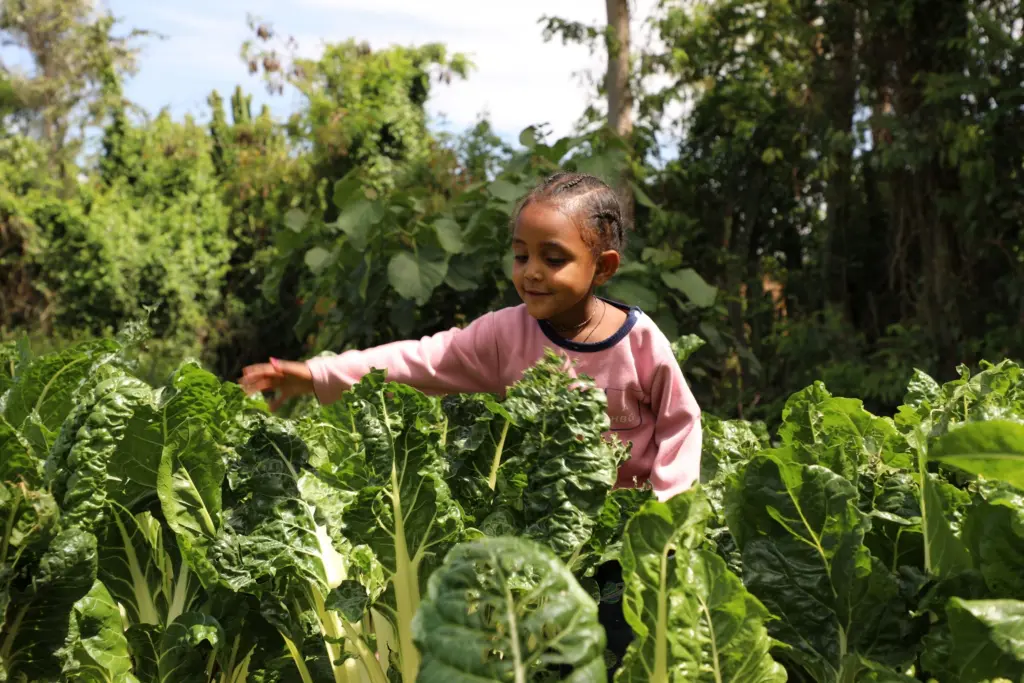
In Honduras, farmers supported through World Vision programs have diversified crops, adopted irrigation systems, and increased incomes—moving from subsistence farming to more stable livelihoods.
This kind of support addresses a critical gap. Emergency assistance can help families get through a crisis, but it doesn’t prevent the next one. When farmers can grow more, earn more, and withstand shocks like drought or price spikes, they are less likely to fall back into food insecurity.
In practice, that means fewer families cycling in and out of hunger — and fewer children forced into risky coping strategies when food runs short.
Therapeutic nutrition that saves lives
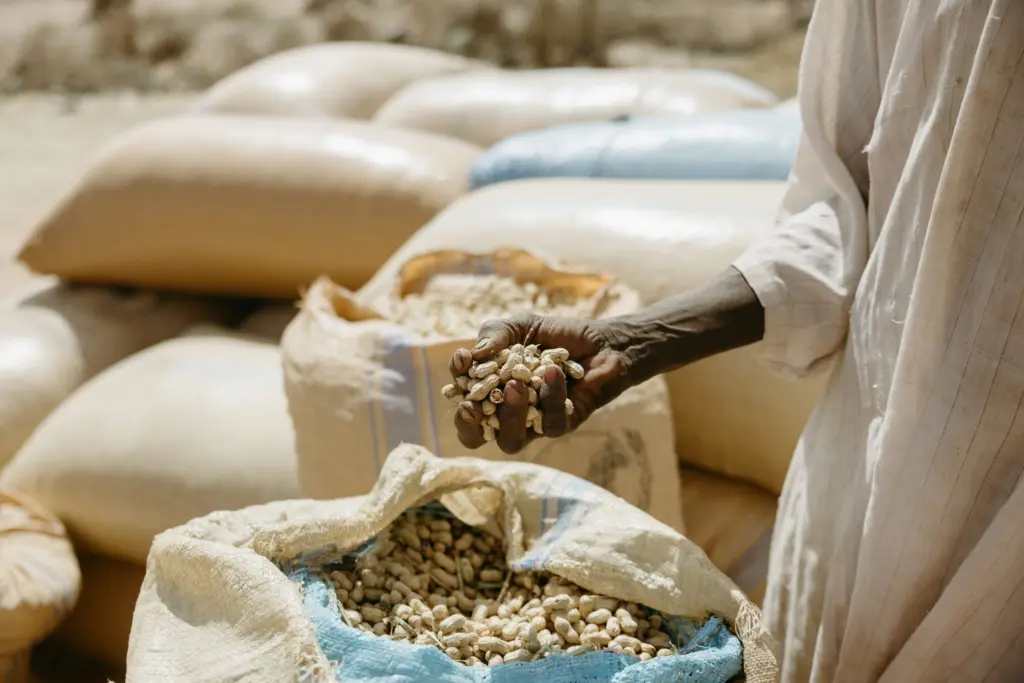
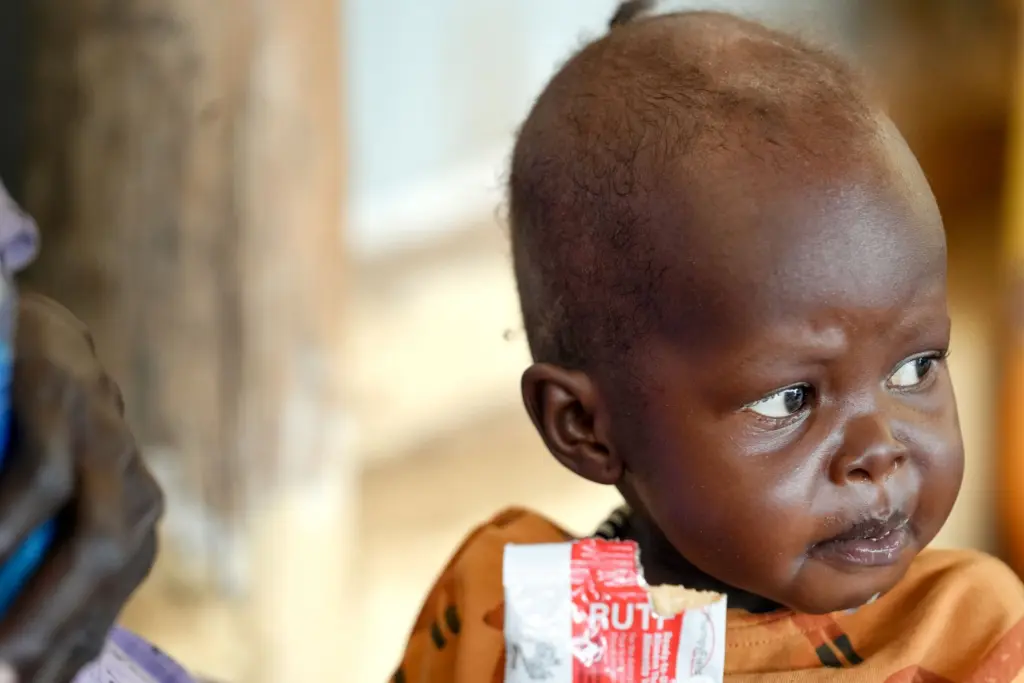
In acute emergencies, treatment for severe malnutrition is essential. In Sudan, World Vision has deployed ready-to-use therapeutic foods (RUTF) to treat children facing life-threatening hunger.
Across World Vision-supported programs, these interventions have helped drive high recovery rates among severely malnourished children over time, with 88% of severely malnourished children treated making a full recovery.
But the implication is broader: treatment alone isn’t enough. Children recover more quickly and are less likely to relapse when therapeutic care is paired with consistent food access, caregiver support, access to immunizations and other basic health services, and stronger household resilience.
Emergency response that prevents harm
In Lebanon, rapid provision of hot meals in displacement shelters helped stabilize families in the immediate aftermath of crisis.
This kind of response does more than meet immediate needs. When families have access to food right away, it reduces pressures that can lead to harmful coping strategies, like pulling children out of school, sending them to work, or reducing meals even further.
In crisis settings, timing matters. Early food assistance can prevent a temporary shock from becoming a longer-term emergency.
Early action that prevents collapse
In Mongolia, emergency distribution of food and livestock fodder during severe winters has helped protect herders’ animals and livelihoods before losses become irreversible.
This is where integration shifts from response to prevention. When support comes early, before families lose their primary assets, it helps preserve both income and food supply. The result is fewer losses in the moment and a faster recovery afterward.
What this adds up to
Each of these approaches reflects a common principle: the most effective responses are those that combine interventions, adapt to context, and connect immediate relief with longer-term recovery.
When programs are designed in isolation, gains are temporary. When they are designed together, outcomes compound. Families are not just fed — they are more likely to stay stable, recover faster, and avoid falling deeper into crisis the next time a shock hits.
The policy case: invest where outcomes compound
In a resource-constrained environment, the question is not only how much assistance is delivered — but how effectively it is used.
Integrated approaches offer a way to maximize impact by ensuring that different forms of support reinforce one another.
School meals are a clear example. Research shows that every dollar invested in school feeding can generate between three and nine dollars in broader social and economic returns, with some analyses estimating even higher long-term benefits.
At scale, these investments matter. In 2024 alone, World Vision delivered over 220,000 metric tons of food assistance across multiple countries — part of a broader portfolio that combines emergency response, livelihoods support, and system strengthening.
When ration cuts disrupt these systems, the consequences are immediate — and long-lasting. Families may pull children out of school, adopt harmful coping strategies, or lose the progress they have made toward stability.
A World Hunger Day that asks a sharper question
World Hunger Day is often framed as a moment to reflect on the scale of global hunger. This year, it is also a moment to ask a more strategic question: amid scarcity, are we investing in what works?
Ration cuts show what happens when systems fall short. But they also point to a path forward — one that is grounded in evidence and shaped by experience.
When food assistance is combined with nutrition, education, and livelihood support, the results are stronger and more durable.
Because hunger is not a single problem — and it cannot be solved with a single intervention.
