
Empowered Worldview
Empowered Worldview equips individuals and communities to shift mindsets, activate their strengths, and drive sustainable change that strengthens families and builds brighter futures for children.
New Perspective, New Possibilities
Empowered Worldview (EWV) is a faith-based intervention developed by World Vision to address the internal and external factors that perpetuate poverty. EWV fosters positive shifts in mindset, sparking behavioral changes that enhance the well-being of individuals, families, and communities.
Through EWV, World Vision empowers women, men, girls, and boys to recognize their inherent value, embrace their responsibilities within their families and communities, and maximize their potential by leveraging their talents and available resources.
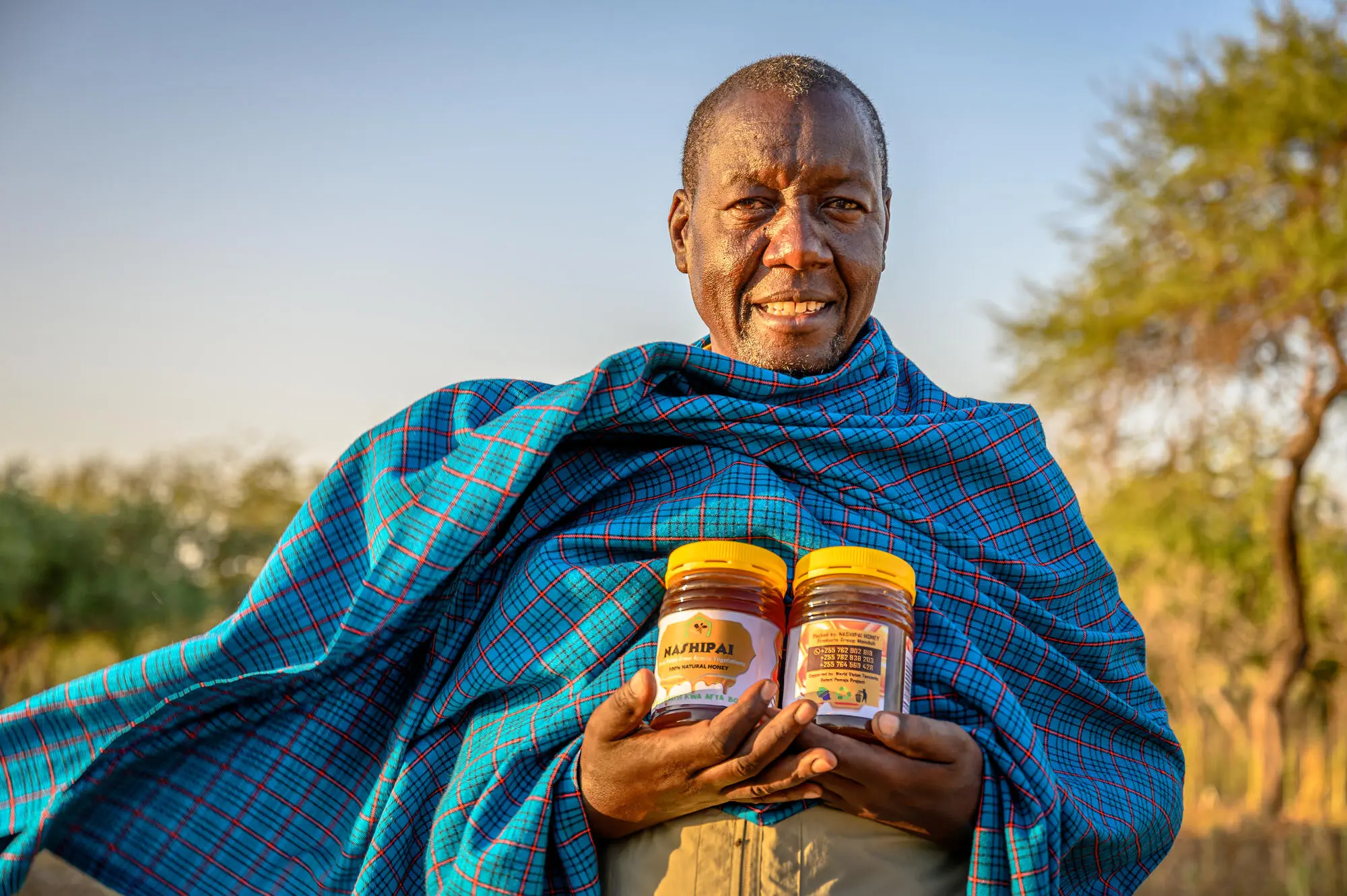
Turning Belief Into Action
Through EWV, World Vision empowers women, men, girls, and boys to recognize their inherent value, embrace their responsibilities, and unlock their potential by leveraging their talents and available resources.
The model emerged from World Vision’s livelihood programs, where individuals who experienced a transformed worldview gained confidence, assumed greater responsibility, and transitioned from dependence to empowerment. As their perspectives shifted, they found innovative ways to improve farming practices, increase income, and enhance their overall quality of life.
Beyond livelihoods, EWV also promotes peacebuilding and encourages communities to take ownership of local challenges, creating sustainable solutions from within. 425,251 people participated in EWV training in 2024.
Psychosocial factors significantly influence the persistence of poverty but are often overlooked in traditional poverty reduction programs. To address this gap, the Chronic Poverty Advisory Network (CPAN) partnered with World Vision to evaluate the effectiveness of the Empowered Worldview approach.
Using a mixed-methods study, the evaluation assessed how EWV influenced smallholder farmers in Zambia — particularly their investment in children’s well-being. Three years after exposure to EWV, logistic regression analysis found that participating parents were more likely to meet their children’s basic needs, such as school fees, clothing, and food — especially with increased training.
A matched sample analysis showed a statistically significant positive effect on household well-being. Qualitative data reinforced these findings, revealing that EWV enhanced participants’ sense of agency, improved spousal and community collaboration, and raised aspirations for both parents and children.
These results underscore the importance of addressing psychosocial barriers to poverty. They also confirm a strong link between repeated EWV engagement and a household’s ability to meet their children’s essential needs.
A recent study conducted in 2022–2023 by the University of Alberta, Ifakara Health Institute, and World Vision Tanzania found that Empowered Worldview significantly improves hope, self-efficacy, self-reliance, and community capacity. The study also showed statistically significant improvements in child well-being, as measured by reduced rates of child stunting.
Empowered Worldview Research & Resources
Empowered Worldview (EWV) is a faith-based training model developed by World Vision to foster hope, self-efficacy, compassionate relationships, and integrity. …
Psychosocial factors often contribute to the persistence of poverty, yet they are seldom addressed in poverty reduction programs. A mixed-methods study explore…
The Empowered Worldview model, developed by World Vision, uses a faith-based behavior change approach to economic well-being, aiming to empower resource-poor h…
