
Child Labor
World Vision works to end child labor through education, advocacy, livelihood, and social support, helping ensure kids can learn, play, and thrive in safe communities.
The Global Crisis of Child Labor
Globally, around 138 million children are engaged in child labor. Often deprived of the opportunity to learn and play, many of these children are engaged instead in unsafe and often forced labor and exploitative conditions, with long hours and little pay. Household economic insecurity, lack of viable education opportunities, and traditional social norms are all driving factors for child labor and can only be addressed fully by comprehensive, multisectoral solutions.

Child Labor FAQs
World Vision works toward reducing child labor by addressing its root causes, including improving access to education and household livelihoods; local, national, and international advocacy; and strengthened family resilience and community support. We work with formal and informal stakeholders — government partners, employers, workers groups, and community and civil society leaders — to ensure children have opportunities to study, play, and thrive in resilient families and protective communities.
Children deserve to be protected from economic exploitation, hazardous work, or work that interferes with their education. World Vision promotes occupational safety and health (OSH) standards for workers and employers in the workplace and trains labor inspectors to ensure compliance with labor law and OSH standards. When workers are not protected, the resulting low wages and economic conditions create a situation in which households must rely on additional income from children. This puts them at risk for exploitation from employers and disrupts their development and well-being.
Youth and adolescents of legal working age entering the workforce for the first time enhance their life trajectory when they are aware of and can access age-appropriate work opportunities. Young adult workers who are new to the workforce and children of legal working age represent some of the most vulnerable members of the workforce given their tendency to fill low-wage, unskilled, and sometimes dangerous jobs. They are also often exposed to abuse and exploitation in the workplace. However, given access to safe, decent and age-appropriate work, young workers see increases in their life expectancy, earning potential, and social well-being.
World Vision collaborates and engages with governments, private sector actors, and workers organizations — and works directly in communities — to advance the protection of children from child labor and to support the awareness of and compliance with labor laws. We partner with key private sector actors, the United States government, and foreign governments to help ensure access to decent work opportunities for youth and their families. World Vision values private partners and works closely with employers, trade associations, and labor inspectorates to increase their commitment to upholding labor laws.
To achieve a sustainable reduction in child labor, all responsible parties must be at the table. Governments have an opportunity to improve laws and are responsible for implementing labor standards. Employers can increase awareness of their workers’ protections and entitlements, improve working conditions for adolescents and youth, and ensure compliance with child labor laws. Civil society — including workers associations — have a role in raising awareness of the harms of hazardous labor, assisting children engaged in labor and holding governments accountable for enforcing child labor laws.
World Vision places heavy emphasis on long-term sustainable change, including government and community ownership and leadership to end violence against children. Therefore, World Vision leverages long-term relationships and partnerships with U.S. government donors and national ministries of Social Welfare, Labor, Health, Education, and Justice. We also collaborate with local social welfare teams, hospitals, schools, community leaders, faith communities, and law enforcement agencies to influence policy reform and the implementation of actions to protect children from violence and provide support and services to survivors and their families.
Child Labor Research & Resources
This ex-post evaluation of the ABK3 LEAP project — a multi-sector initiative aimed at reducing child labor in the Philippine sugarcane industry — offers critic…
From 2016 to 2022, the Campos de Esperanza project — led by World Vision Mexico, Fondo para la Paz, and SiKanda — worked to prevent…
Workers’ rights, including protecting children from economic exploitation and hazardous work, are essential for fostering safe, thriving communities. When labo…
Child Labor News & Insights
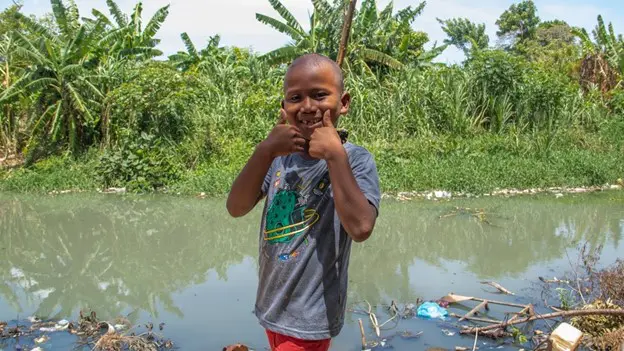
Explore how World Vision’s Futuros Brillantes project, in collaboration with the U.S. Department of Labor, is tackling the root causes of child labor in Hondur…
Labor Rights and Child Labor
World Vision believes that protecting the right to safe, dignified and age-appropriate work and sustainable livelihoods is essential for family and child well-being. To achieve this, we partner with governments, the private sector, and civil society to raise awareness and uphold workers’ rights.

