
Each year, World Food Day reminds us that food is more than sustenance — it’s the foundation for life, dignity, and hope. This year’s theme, “Hand in hand for better foods and a better future,” calls on all of us to work together across governments, communities, countries, and sectors.
For World Vision, this message underscores a truth we see every day: when we partner to invest in global food security, everyone benefits. We’ve seen how U.S. investments that expand food access for communities overseas also strengthen agricultural systems and create opportunities for communities at home — from American farmers and agribusiness to shipping and logistics industries. American agriculture and expertise work hand in hand with global communities to build resilience and shared prosperity. From family farms in Kansas to smallholder plots in Ethiopia, generosity and innovation ripple outward, improving lives and fostering stability at home and abroad.
The challenge: Food security in a changing world
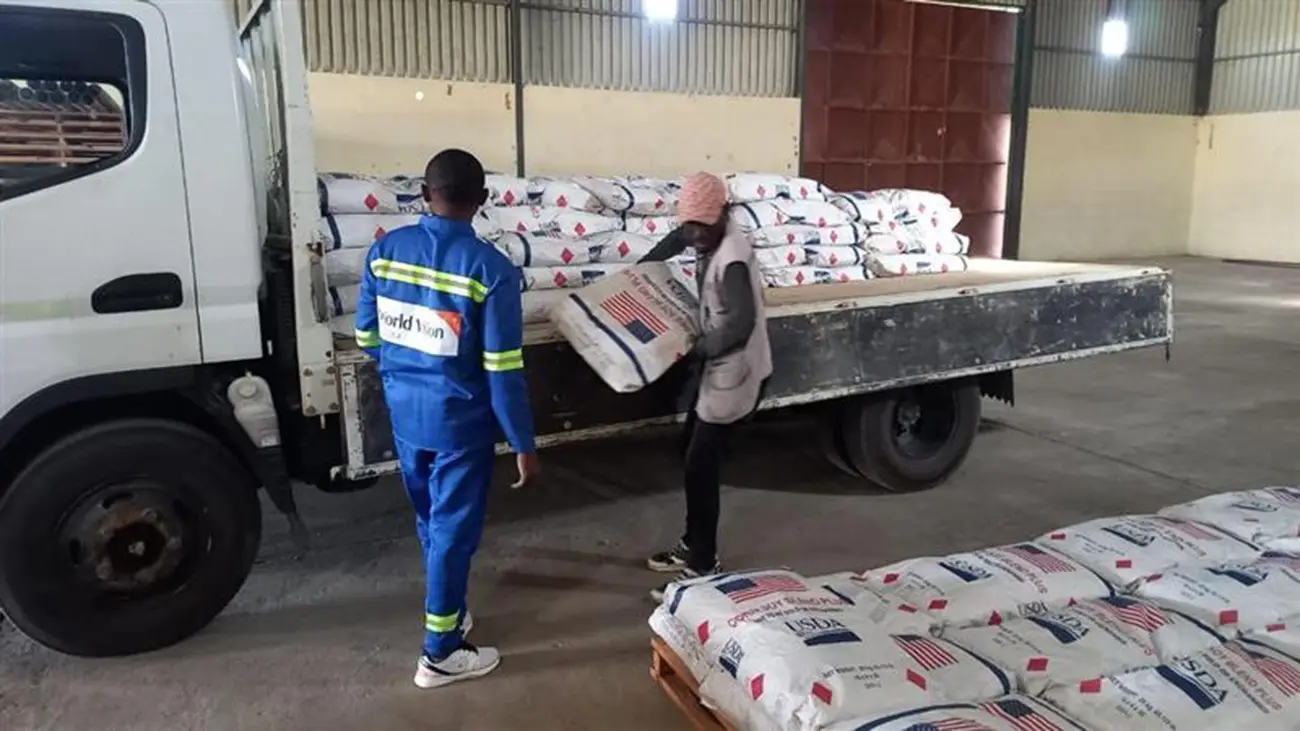
Off loading of USDA Corn Soya Blend (CSB+) at the ANGEL warehouse in Cunene province, Angola
Even before 2020 and the onset of the COVID-19 pandemic, progress toward global food security had slowed. Millions of families struggled to access enough nutritious food, particularly in places affected by extreme weather, conflict, and economic inequality. The pandemic intensified these challenges, disrupting supply chains, reducing incomes, and cutting off school meals for children — pushing millions more into hunger and reversing years of progress.
While some recovery has occurred, food insecurity remains well above pre-2020 levels, and many families still struggle to afford sufficient, nutritious food. In this landscape, U.S. Congressional leadership matters more than ever. Strategic investments in agricultural production and trade, smart aid, and innovation help families grow more food, earn stable incomes, and access new markets — strengthening supply chains that benefit both global communities and American producers. For instance, a five-year program funded by the U.S. Government in Bangladesh received approximately 155,000 metric tons of U.S. commodities. Those commodities were sold locally and the proceeds funded activities that helped both off-farm tradespeople and farmers diversify skills, expand market access, and increase income.
Supporting both U.S. farmers and families in countries where communities face persistent food insecurity and economic challenges, creates a cycle of shared success: when farmers and families thrive, communities become stronger, economies more stable, and the world more secure.
Food security as a foundation for peace and prosperity
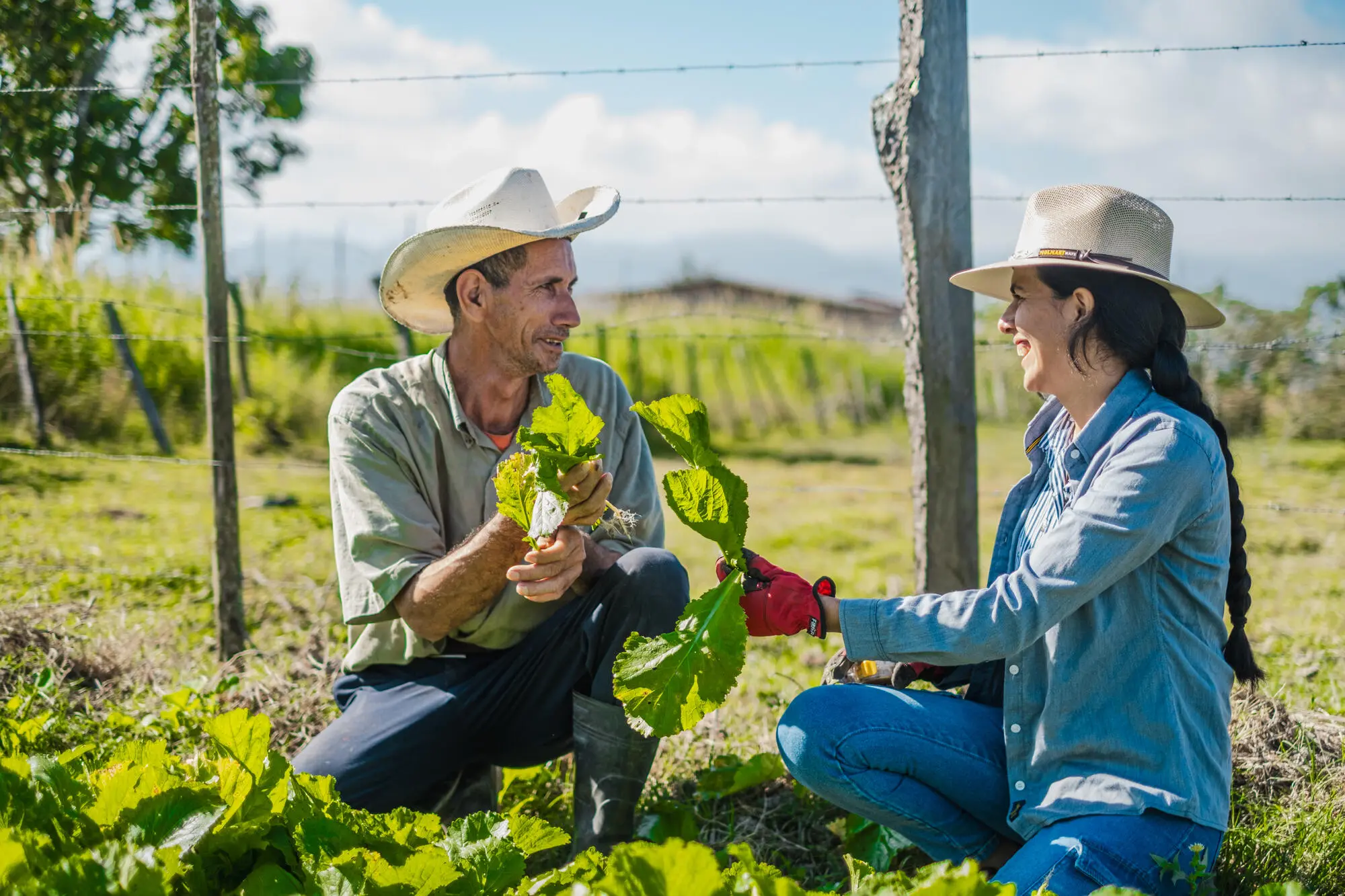
Through World Vision’s Empowered Worldview training, Yessica built a sustainable livelihood and is helping others do the same.
Hunger and instability often go hand in hand. Communities facing chronic food shortages are more vulnerable to conflict and displacement. But when families have enough to eat, children stay in school, markets thrive, and peace has room to grow.
That’s why World Vision invests in smart, strategic aid — development that helps families recover from hardship, grow their own food, and build lasting stability. In fragile contexts where migration pressures are high, these programs give families the means to build a future at home — reducing the drivers of migration and helping communities thrive where they live.
These investments also advance U.S. national interests by promoting peace, creating trading partners, and strengthening America’s role as a global leader. Food security programs contribute to U.S. national security as well, by building resilient communities that are less susceptible to instability, displacement, and radicalization. Every investment in food security is an investment in a safer, more prosperous world — for everyone.
How World Vision builds lasting food security
Technical excellence
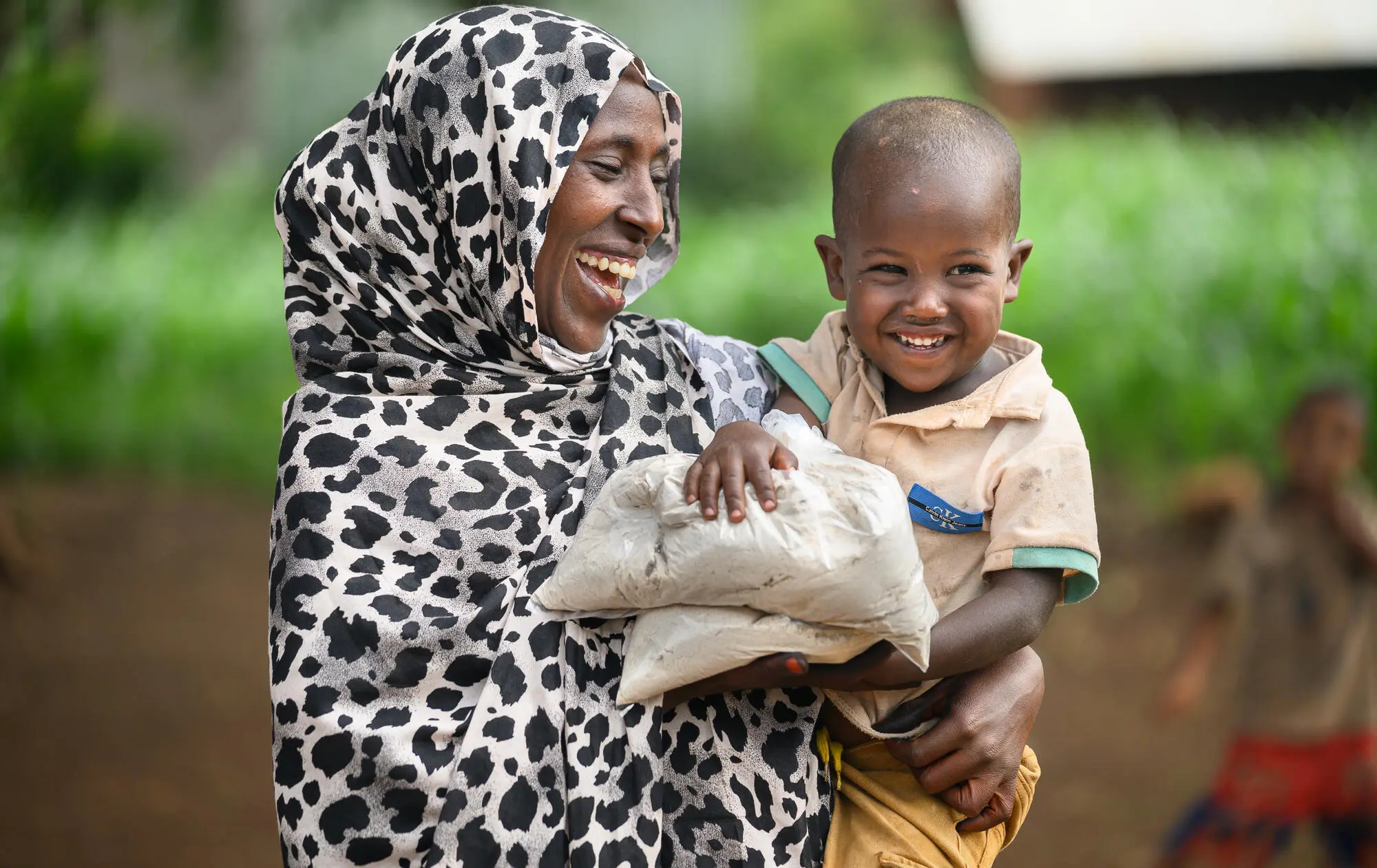
Nutrition education and food assistance from SPIR II helped Laila bring her son, Arjoma, back to health — and prevent future malnutrition.
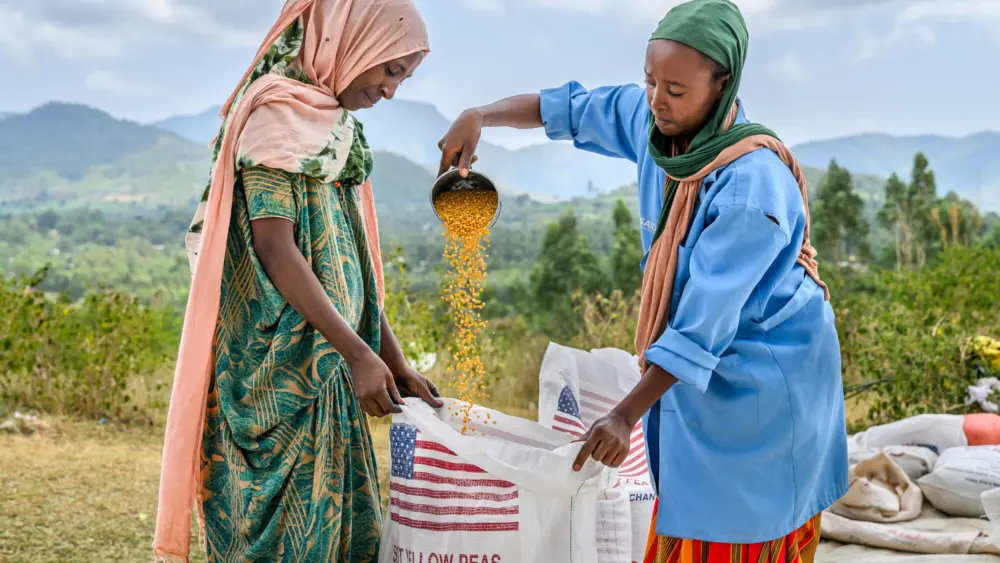
World Vision’s approach is practical, evidence-based, and centered on people and systems. Through programs like SPIR II in Ethiopia, we’ve demonstrated how strategic aid can deliver both humanitarian relief and economic opportunity. SPIR II operates in Ethiopia’s Amhara, Oromia, and Tigray regions to improve nutrition, diversify livelihoods, and use imported U.S. agricultural commodities such as sorghum and split peas to help families survive.
We also deploy multi-sectoral interventions — combining training in improved agriculture, financial inclusion, clean water, and literacy — so that gains in one area reinforce progress in others.
Our ultra-poor graduation approach exemplifies how we apply evidence and continuous learning to drive results. This 24-month sequence of interventions is designed to help families build sustainable livelihoods and move off aid. Each cohort of participants is closely monitored and assessed, allowing us to refine and strengthen the model with every new group.
Our commitment to responsible stewardship of U.S. taxpayer and donor funds ensures we monitor, evaluate, and adapt constantly, helping make certain that every dollar produces tangible results
Innovative partnerships

With CAST’s support, Touch Poa modernized her fish processing business — boosting productivity, improving food safety, and creating local jobs.
No single organization can end hunger alone. That’s why World Vision partners with public, private, and community actors — from USDA and the Department of State to global companies like Walmart and local community groups — to drive lasting impact.
Through initiatives like CAST (Commercialisation of Aquaculture for Sustainable Trade) in Cambodia, we link U.S. agricultural inputs with local value-chain development, helping fish farmers scale and gain new markets. CAST brings together the American Soybean Association, Auburn University, Kansas State, and World Vision to introduce U.S.-sourced soy-based feed, strengthen market actors, and enable microfinance access for aquaculture entrepreneurs. By using U.S.-sourced soy in aquaculture feed, CAST supports local fish farmers while creating a steady export demand for American soybeans.
Programs like McGovern-Dole, which support literacy and enrollment initiatives, further illustrate a shared benefit model: by donating U.S. commodities to school feeding programs like PARES in Mozambique and ANGEL in Angola, these investments help remove hunger as a barrier to education while generating demand for American agriculture and transportation services.
Measurable impact
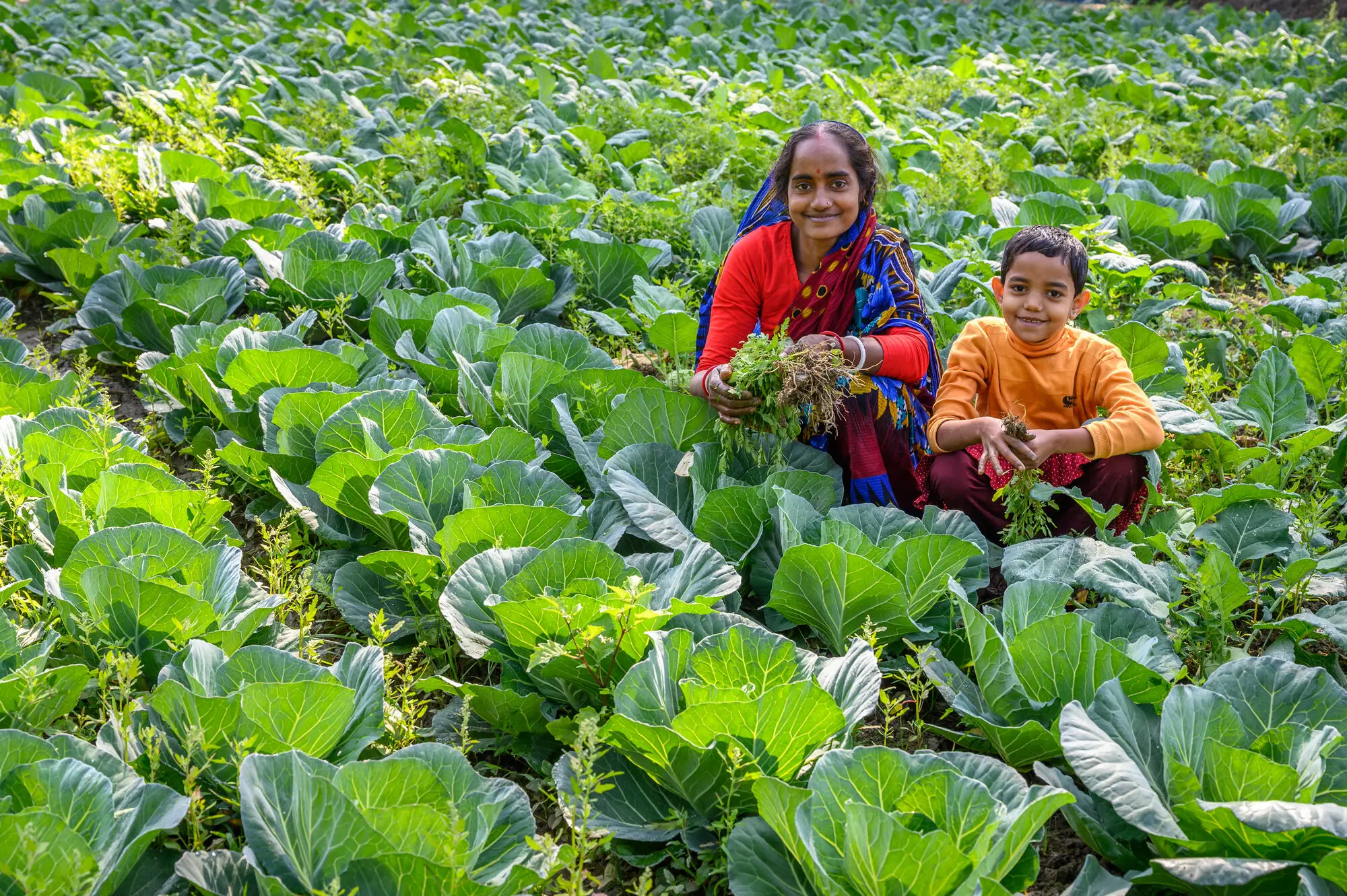
With training from Nobo Jatra, Sobita turned barren land into a thriving farm that fuels local markets and strengthens food security.
World Vision’s food security and livelihoods work reaches millions of people each year — improving production, expanding market access, and increasing incomes for both U.S. and global farmers.
Through targeted programs, World Vision helps local businesses and farmers grow, access finance, and expand markets — creating measurable economic and food security outcomes. In CAST, small businesses gained access to loans via a microfinance institution, creating a catalytic pipeline that helped 198 businesses secure an additional $3.3 million in financing and attracted $2.3 million from private and public investors—mobilizing a total of $5.6 million to scale food safety innovations and expand market sales.
In Bangladesh, through our Nobo Jatra program, 29,964 individuals participated in group-based savings, micro-finance, or lending programs, and 6,278 value chain farmers earned $2,799,353 in fiscal year 2023 from the sales of agricultural products.
Over time, these efforts strengthen trade relationships, build more resilient local economies, and enhance food security — demonstrating how American investment abroad generates lasting returns both overseas and at home.
Benefits at home
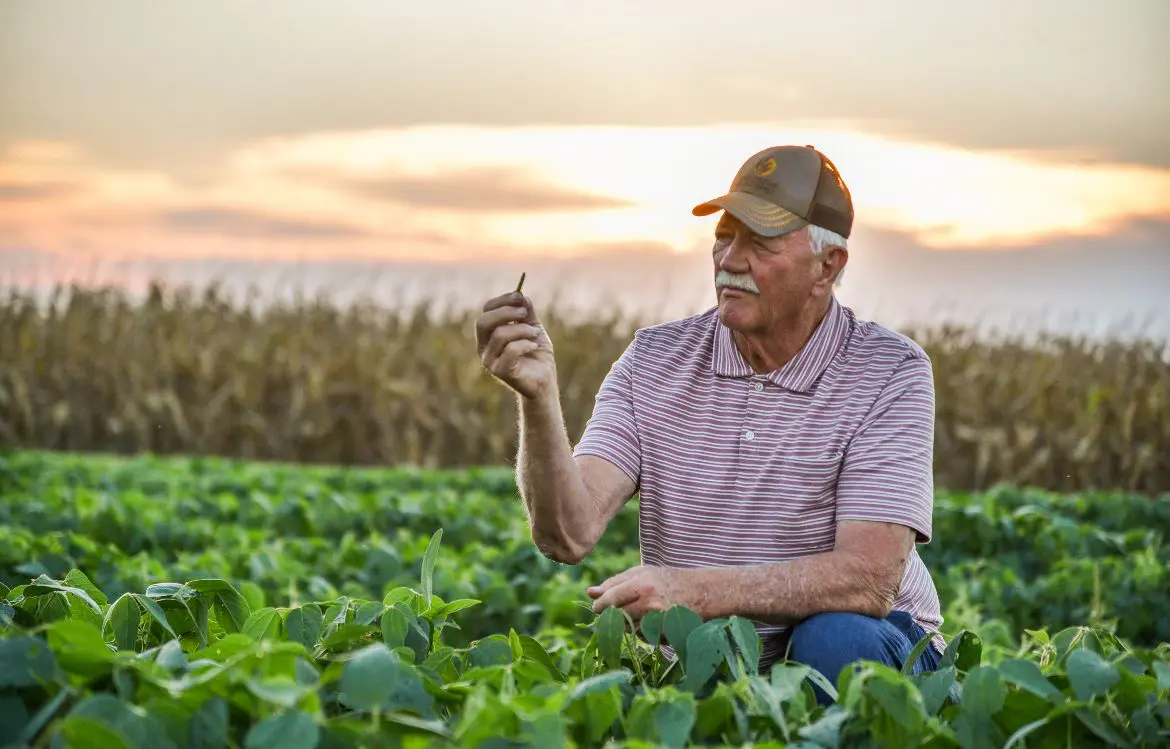
For 150 years, Paul’s family has farmed Kansas soil. Through Food for Peace, his harvest helps fight hunger and strengthen rural communities at home and abroad.
These programs change lives abroad and also deliver tangible benefits to households here in the United States. World Vision’s largest program funded through the Department of State invested approximately $83 million over a three-year period to deliver U.S.-grown commodities overseas. Nearly half of that directly supported American farmers, while much of the remainder benefitted U.S. transportation and shipping companies — sustaining good jobs and strengthening the agricultural supply chain that feeds both opportunity and stability worldwide.
Looking ahead
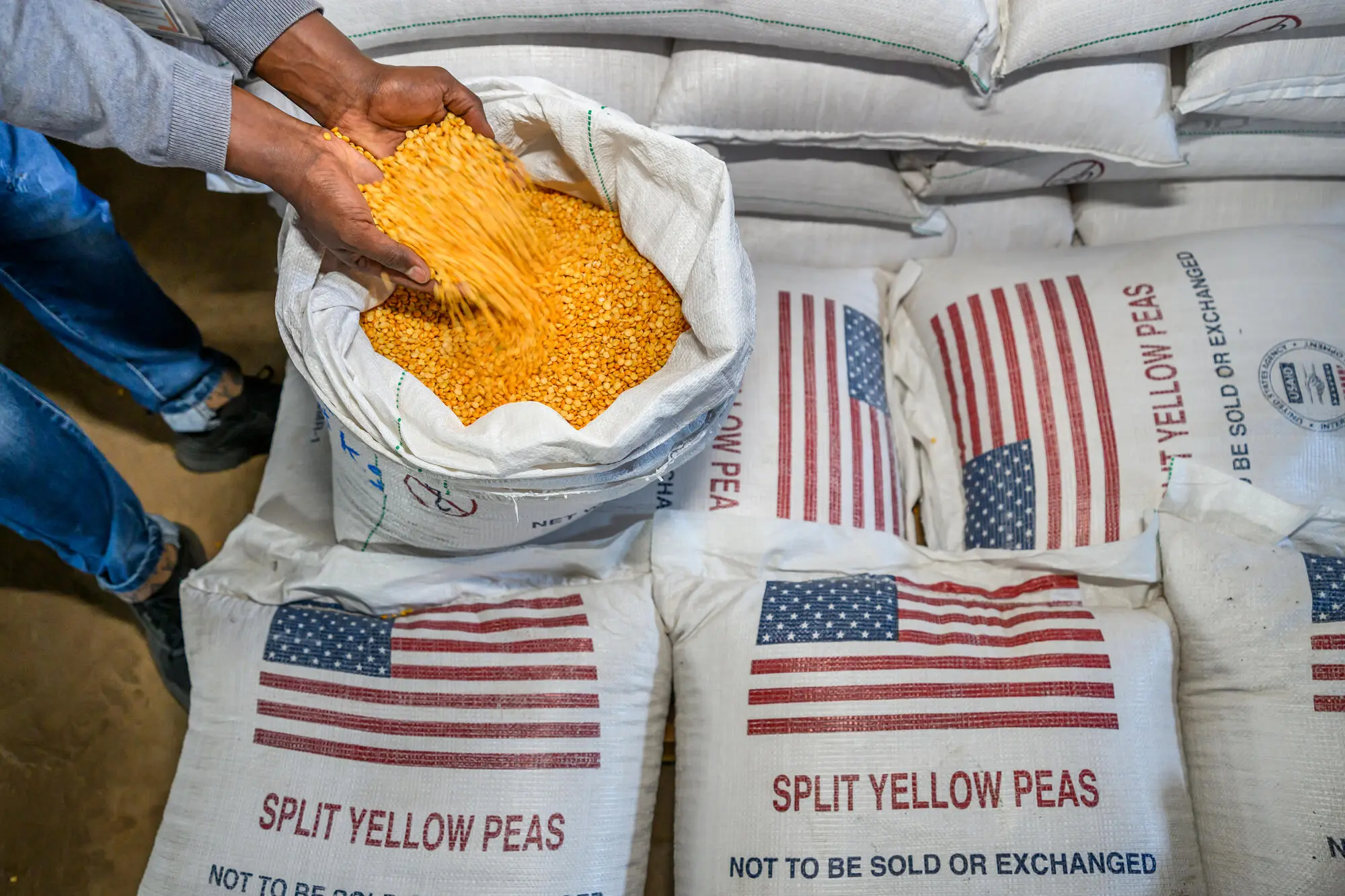
Split peas from U.S. farmers, delivered through World Vision’s SPIR II program, ready for distribution at a warehouse in Ethiopia.
From American farms to the world’s most fragile communities, food is the foundation for stability, opportunity, and peace. We’ve seen it first-hand. When the U.S. leads in advancing global food security, the impact is transformative: families escape hunger, children stay in school, markets grow, and communities move from crisis to resilience. These outcomes strengthen global stability and reinforce America’s role as a trusted partner in building a safer, more prosperous world.
World Vision remains committed to making this vision real through technical excellence, bold partnerships, and measurable impact. Our evidence-based programs demonstrate that strategic investments in food security deliver lasting returns—reducing poverty, fostering peace, and creating pathways for economic growth. Every dollar invested is not just aid; it is a catalyst for resilience, dignity, and hope.
The challenge is urgent: conflict, economic disruptions, and environmental challenges continue to push millions into hunger. But the opportunity is clear — together we can build food systems that withstand crises, empower families, and unlock human potential.
Join us
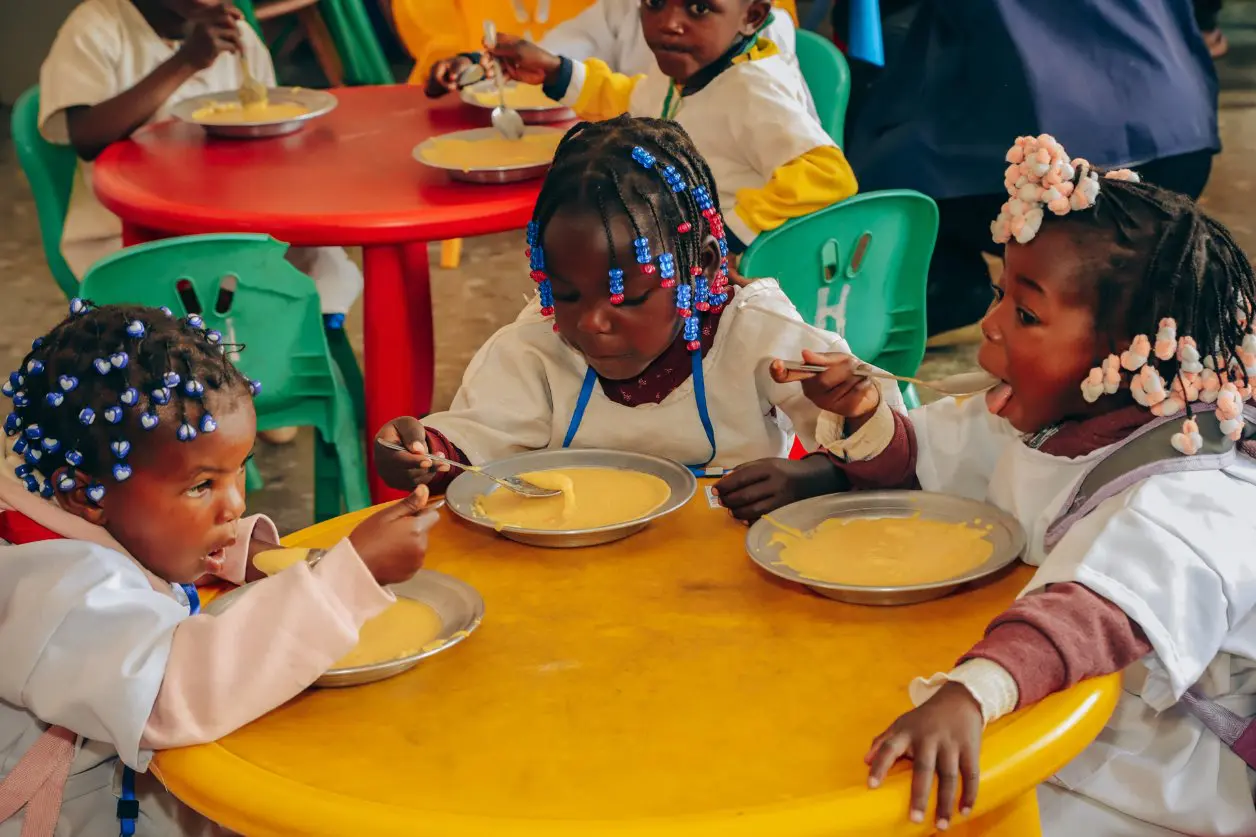
Children eating Corn Soya Blend (CSB+) porridge at a school in Angola supported by the ANGEL project
This World Food Day let’s act boldly. Join us in advancing solutions that ensure every child has enough to eat, every family can thrive, and every community can look to the future with confidence. Because when we fight hunger hand-in-hand, we don’t just feed people — we build peace, prosperity, and a better future for all — both at home and abroad.
How you can make a difference
Everyone has a role to play in advancing global food security. Whether it’s shaping policy, implementing programs, or amplifying the message, your actions matter. Here are practical ways you can join us in creating lasting impact:
- Explore our Research & Resources to see how data and innovation guide our work—and can strengthen your programs and approaches
- Partner with us on innovative, multi-sectoral solutions that link U.S. expertise with global impact.
- Share this blog and World Vision’s posts on LinkedIn and other platforms to amplify the message that food security is everyone’s business.
- Engage policymakers and stakeholders to prioritize smart investments in global food security.
Author: Buck Bradshaw, Director, Food Security & Livelihoods
Learn more: World Vision warns: disruptions in US food aid impact farmers at home and hungry children abroad
