
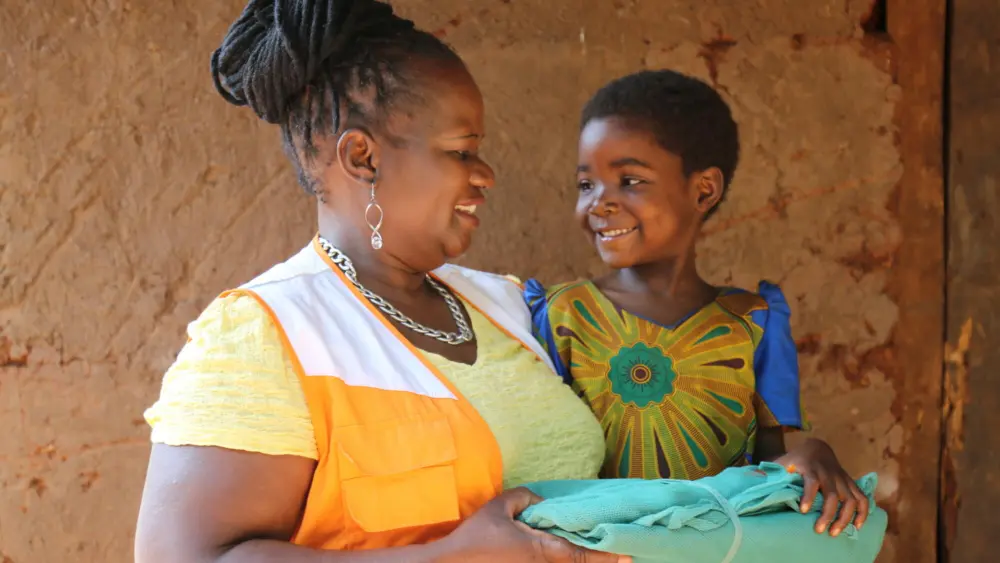
Washington, D.C. | April 25 — On World Malaria Day, World Vision is highlighting how integrated, community-based malaria delivery protects and saves lives — especially in fragile and crisis-affected settings where health systems face ongoing strain.
The World Health Organization (WHO) estimates that malaria caused 282 million cases and 610,000 deaths worldwide in 2024, roughly 9 million more cases than the previous year. The African Region continues to bear the greatest burden, with 11 countries accounting for about two-thirds of global cases and deaths. Most deaths occur among children under five in high-burden countries.
This year’s theme — “Driven to End Malaria: Now We Can. Now We Must.” — calls on global partners to advance malaria fighting tools while strengthening the systems that deliver malaria control and elimination services to the communities most at risk.
Through global partnerships and community-led approaches, World Vision brings malaria prevention and treatment to tens of millions of people, including conflict-affected and hard-to-reach settings — turning the global ambition to end malaria into action where it matters most.
World Vision’s approach centers bringing both prevention and treatment closer to households through government-led systems, trained community health workers, and long-term partnerships, closing access gaps even in conflict and displacement settings.
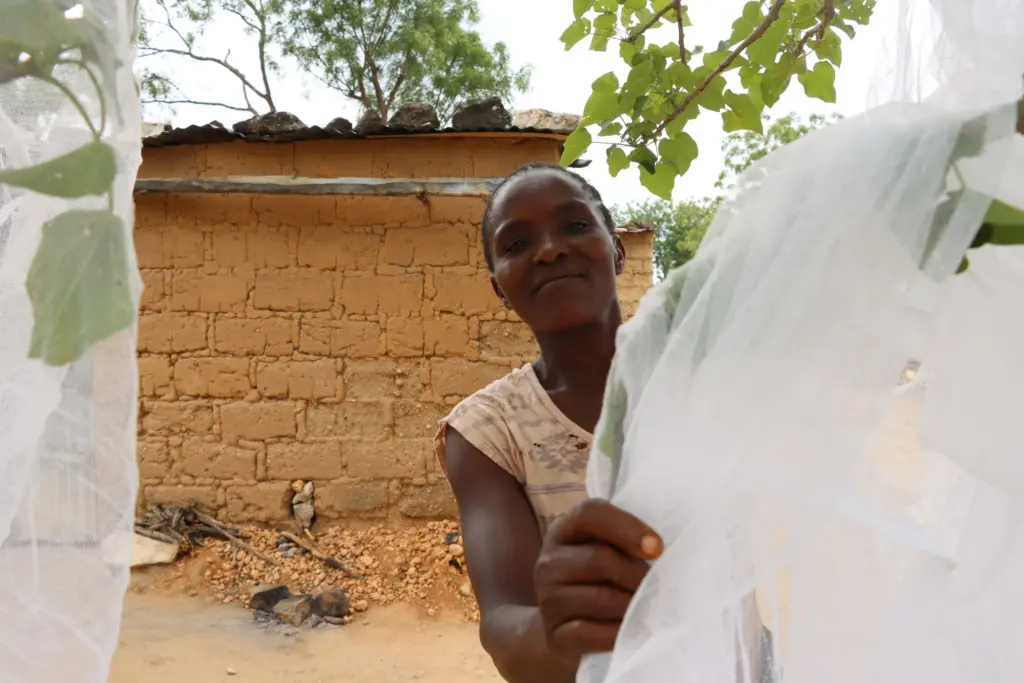
Partnering with the Global Fund to deliver malaria services at scale
World Vision is a long-standing partner of the Global Fund to Fight AIDS, Tuberculosis and Malaria, working alongside national governments to deliver malaria prevention and treatment in areas with limited access to care. Since 2002, World Vision has implemented Global Fund-supported programs in more than 40 countries, prioritizing communities often missed by formal health systems.
In 2024 alone, World Vision reached approximately 23 million people with malaria services — most of the 24 million people served across its Global Fund portfolio. Through these programs, World Vision:
- Conducted 19 million malaria tests, enabling early detection and treatment
- Treated more than 10.4 million confirmed cases
- Distributed more than 1.07 million insecticide-treated mosquito nets
- Delivered more than 7,000 community-led behavior change sessions
These results reflect a consistent focus on early testing, rapid treatment, and prevention at the community level, especially in fragile contexts. They are made possible by deliberate investments in last-mile supply chains that help ensure diagnostics, medicines, malaria vaccines, insecticide-treated nets, and other vector-control tools reach communities consistently, even where insecurity, distance, and weak infrastructure make delivery most challenging.
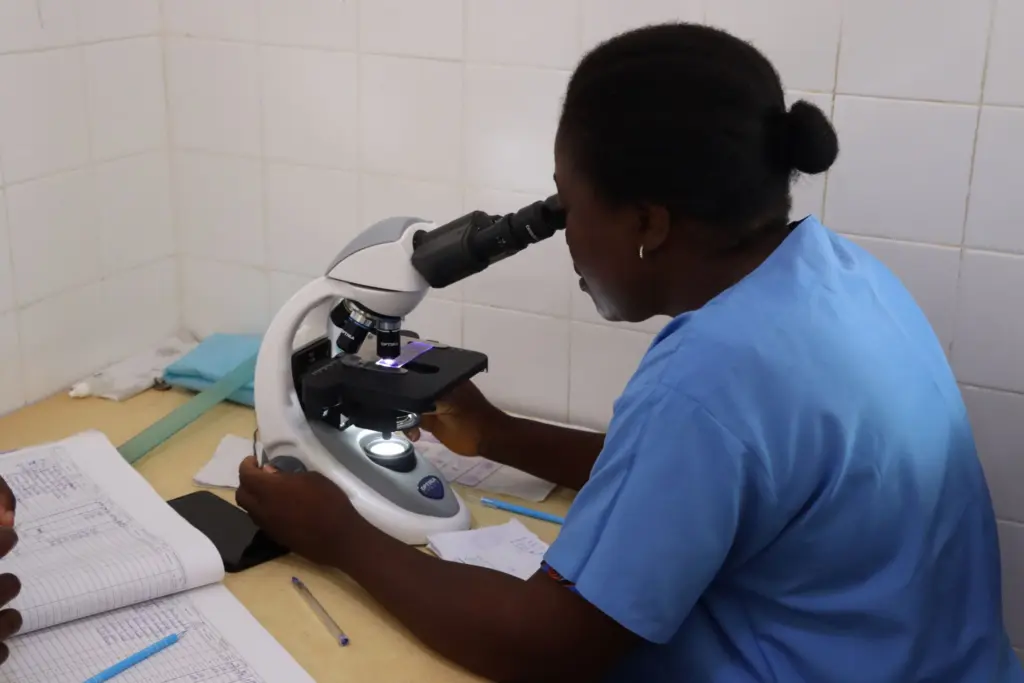
Delivering care in fragile and conflict-affected countries
World Vision’s Global Fund-supported malaria programs also operate in countries where conflict, displacement, and weak infrastructure make delivery especially challenging. In the Central African Republic (CAR), where malaria remains a leading cause of illness among children, World Vision programs contributed the following in 2024:
- More than 1.1 million malaria tests
- Treatment for more than 740,000 confirmed cases through public health facilities
- Expanded community-based treatment to reach families far from clinics
- Distributed more than 100,000 mosquito nets to high-risk groups
Beyond CAR, community-based treatment continues to expand across Global Fund-supported programs, with more than 3.5 million malaria cases treated at the community level worldwide in 2024 — helping close access gaps for remote and displaced populations.
Strengthening systems for lasing health impact
In settings where access to care is limited due to crisis and insecurity, World Vision’s Global Fund-supported programs link malaria delivery with strengthening resilient, sustainable health systems.
Community health workers remain central across all contexts. Within its Global Fund portfolio, World Vision trains community health workers to bring malaria testing, treatment, and prevention closer to households — especially in communities far from health facilities. World Vision has also supported reforms such as mobile payments and clearer performance standards, strengthening accountability and sustainability at the frontline. Together, digital tools and data systems improve real-time visibility into case trends, frontline performance, and service coverage, supporting faster decision-making and more responsive malaria control.
In Mozambique, nearly 100% of suspected malaria cases were tested at both health facility and community levels, ensuring timely and accurate diagnosis, while over 99% of confirmed cases received first-line treatment — reflecting strong supply chains with no major stockouts. More than 7 million insecticide-treated nets were distributed, and over 1.19 million pregnant women received preventive treatment. These achievements highlight the strength of coordinated community and health system efforts to expand access, improve care, and save lives.
Angola is demonstrating strong progress in malaria prevention through large-scale vector control efforts. A total of 3,878,708 insecticide-treated bed nets have been distributed across the provinces of Benguela, Bié, and Cuanza Sul, protecting over 1.6 million households — prioritizing vulnerable populations including more than 1.2 million children under five and 274,735 pregnant women. This distribution effort reflects a major step forward in reducing malaria transmission and strengthening community-level protection where it is needed most.
Across these countries, strengthened systems support malaria testing, referral, treatment, and prevention while reinforcing broader health service delivery — moving countries closer to the global goal of ending malaria.
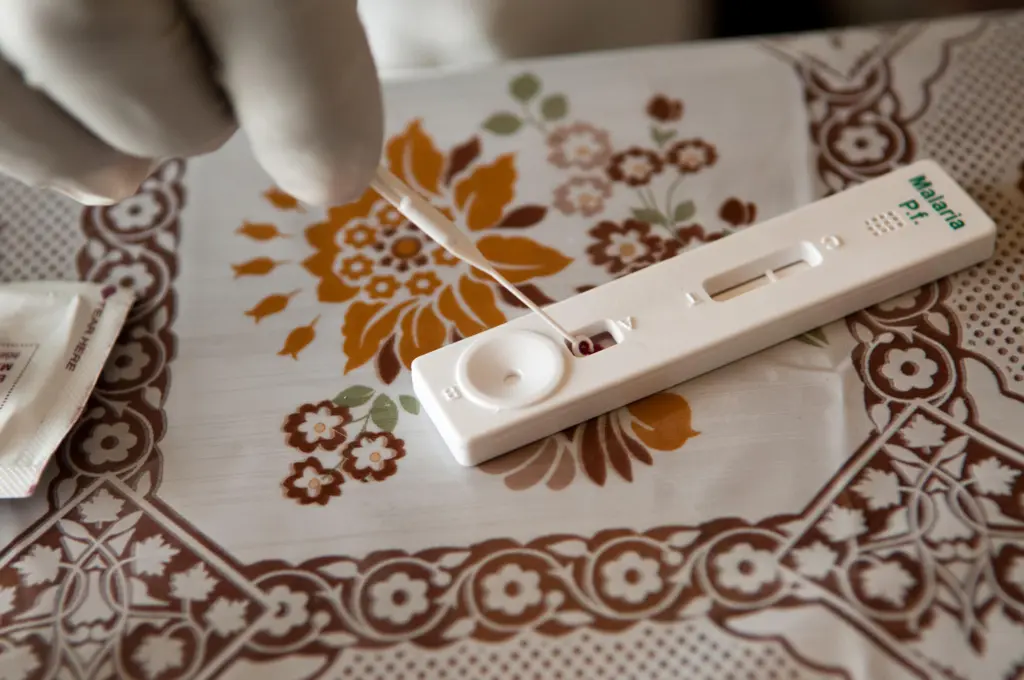
Expanding impact through the Rotary-Gates partnership
On World Malaria Day, World Vision is spotlighting partnerships that go beyond single‑disease delivery to strengthen the systems that protect children’s lives. World Vision is expanding community‑level health impact through the Rotary Healthy Communities Challenge (RHCC) — a partnership with Rotary International and the Gates Foundation that pairs service delivery with advocacy, coordination, and government leadership. By integrating malaria delivery with pneumonia and diarrheal disease care, RHCC builds on existing malaria platforms to address multiple leading causes of child mortality at once.
The approach reinforces a key lesson: delivery systems that reach children for malaria can also protect them from other preventable diseases — when designed to do so.
A defining strength of RHCC is the involvement of local Rotary members — community leaders who live and work in the places this partnership serves. Their long‑standing relationships with government, health leaders, and communities help connect effective malaria services with local trust, public leadership, and long‑term commitment — so impact can last beyond any single project.
Like the Global Fund-supported work, RHCC strengthens core community health delivery systems by ensuring trained community health workers are in place, essential diagnostics and treatments are available, data systems are strengthened and support timely decision‑making, and government leadership anchors sustainability — even in hard‑to‑reach settings.
Launched in 2024 with a $30 million investment over 3 years from The Rotary Foundation, the Gates Foundation and World Vision, RHCC strengthens health systems — especially at community level — in selected regions of Democratic Republic of Congo, Mozambique, Nigeria, and Zambia. World Vision serves as an implementing partner, working closely with Ministries of Health and local partners to scale integrated community health services focusing on reducing severe illness and death from malaria, pneumonia, and diarrheal disease in children under 5.
Across RHCC countries, the partnership prioritizes:
- Training and deploying community health workers to deliver first-line care
- Strengthening community‑level supply chains to reduce shortages of diagnostics and treatment
- Improving data reporting and digital monitoring so countries can track cases and respond faster
- Engaging communities and local leadership to promote health‑seeking behaviors and long-term sustainability
On World Malaria Day, RHCC underscores what’s possible when strong community delivery systems are paired with coordinated partnerships, local leadership, and sustained investment — so that progress against malaria strengthens health systems for the long term.
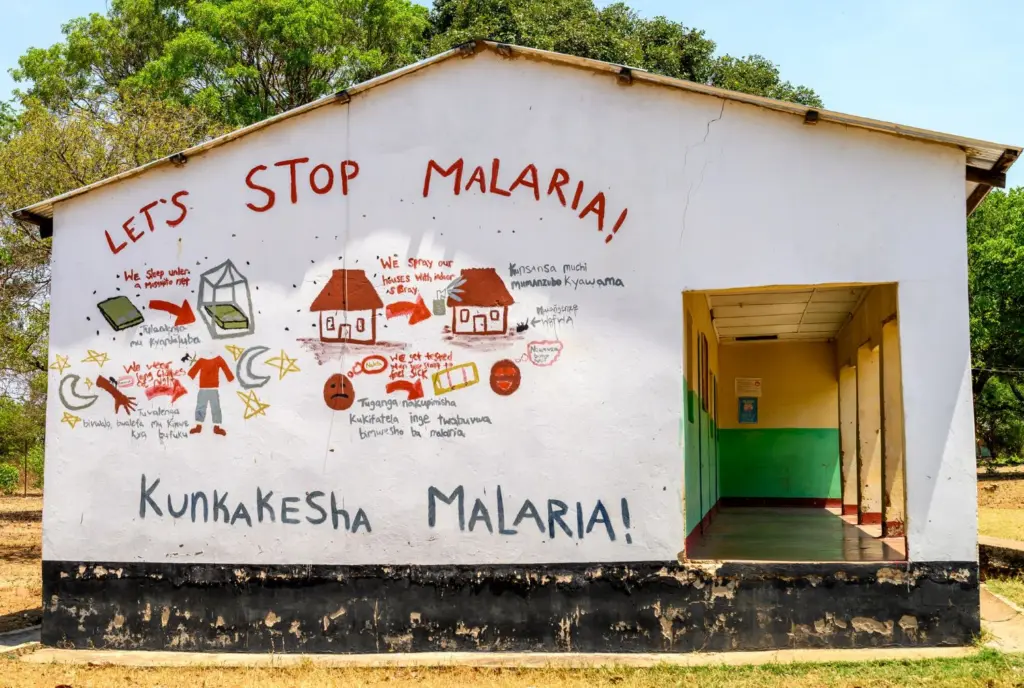
Reaching people quickly, consistently, and close to home
Through global partnerships and community-led approaches, World Vision is helping deliver malaria prevention and treatment services to tens of millions of people — including in settings affected by conflict, insecurity, and weak infrastructure.
On World Malaria Day, World Vision reaffirms its commitment to sustaining progress towards malaria elimination, ensuring every child can grow free from preventable disease.
Now we can — and must — end malaria!
