
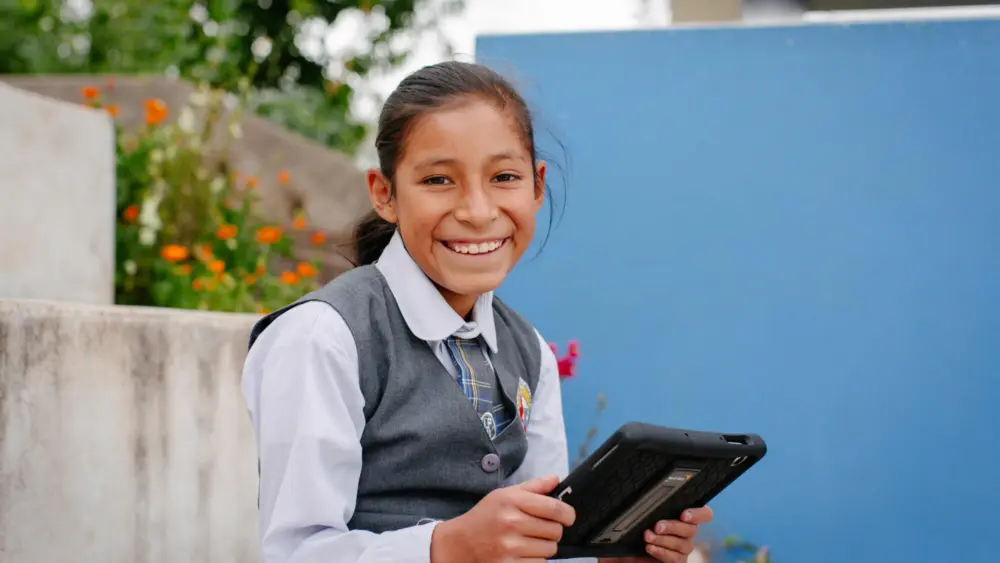
For today’s children, there is no meaningful distinction between “online” and “offline” life. Digital engagement is woven into how children learn, connect, play, and express themselves. This reality calls for a shift in how child protection is understood and implemented: protecting children from digital harm should not be a parallel effort but instead core to protecting children from all forms of violence.
As global digital participation accelerates, risks such as online sexual exploitation and abuse, cyberbullying, grooming, exposure to harmful content, and the spread of misinformation are increasing in scale and complexity. Addressing these threats requires approaches that are grounded in evidence, embedded in existing child protection systems, and designed to evolve alongside technology.
On Safer Internet Day, World Vision U.S. reaffirms our commitment to advancing safe, ethical, and inclusive digital environments that protect children and uphold their rights.
Our Commitment: Do no harm in digital engagement
Because digital content can be copied, shared, stored, and repurposed instantly and indefinitely, even well-intended engagement carries risk if not carefully managed. Lapses in safeguarding can expose children to stigma, exploitation, or long-term harm. For this reason, World Vision treats digital safeguarding as a foundational protection measure embedded across programs and communications.
World Vision’s global policies establish clear standards to ensure that all digital engagement with children prioritizes safety, dignity, and informed participation.
- Prevention of Harm in Communications Policy: Sets standards for the safe collection, use, storage, and dissemination of children’s images and stories, including informed consent, secure data handling, and strict limitations on digital identifiers.
- Global Online Code of Conduct for Staff: Provides clear expectations for staff behavior in digital spaces where children are present, including protocols for online communication, virtual meetings, and recognizing digital safeguarding red flags.
- Practical Tools for Families and Caregivers: World Vision also shares accessible guidance to support caregivers in navigating children’s digital lives. For example, World Vision Philippines offers practical tips for parents to help keep children safe online, including guidance on monitoring, conversation, and age-appropriate boundaries.
Together, measures and tools like these help ensure that World Vision does not expose children to harm through digital engagement.
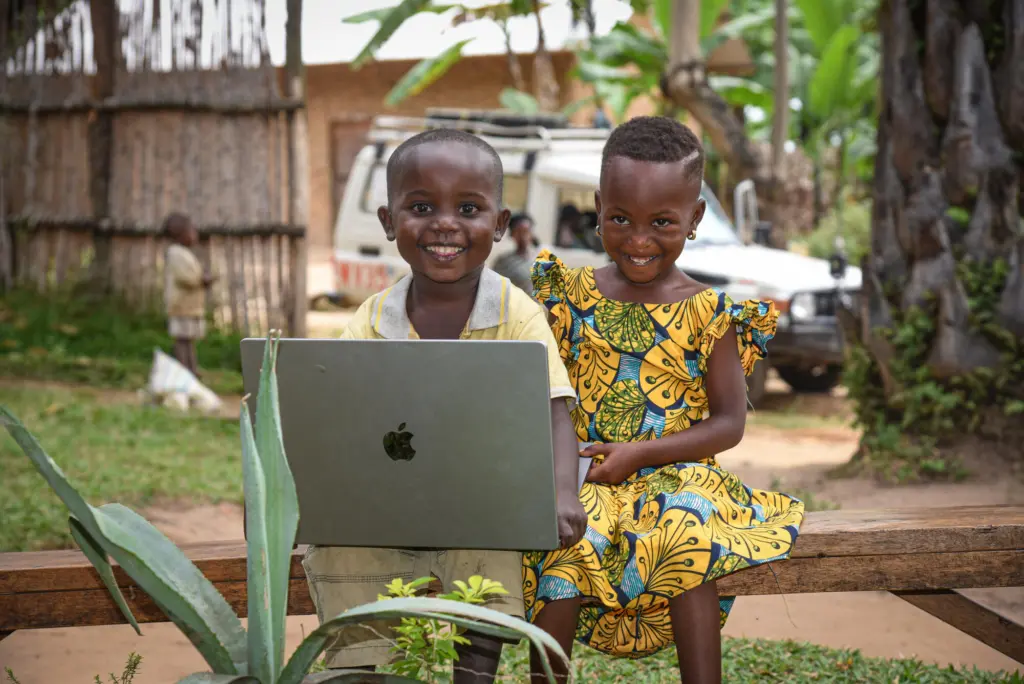
What We’ve Learned
Promising practices
Across multiple contexts, World Vision has examined how digital and remote approaches intersect with child protection systems, documenting lessons and promising practices on digital and remote child protection programming.
In studies and evaluations like the one we conducted on our digital and remote rapid adaptations to child protection programming during the COVID-19 pandemic, findings consistently point to several critical factors:
- Digital approaches are most effective when integrated into existing child protection systems. Technology can improve access to reporting, case management, and referral pathways, but it should compliment rather than substitute for trusted relationships and local service structures.
- Hybrid models expand reach while reducing exclusion. Combining digital and in-person touchpoints helps reach children who may be unable to access services physically, while avoiding the risk of further isolating those affected by the digital divide.
- Safeguarding must be built into program design. Clear protocols for privacy, consent, communication channels, and digital risk assessment are essential from the outset.
- Staff capacity determines program quality. Training equips teams to assess when digital tools add value, when they introduce risk, and how to adapt approaches responsibly.
These lessons inform how World Vision designs, adapts, and scales digital child protection programming. The practical result is programming that can extend protection to more children, respond more quickly to concerns, and align digital innovation with safeguarding from the start.
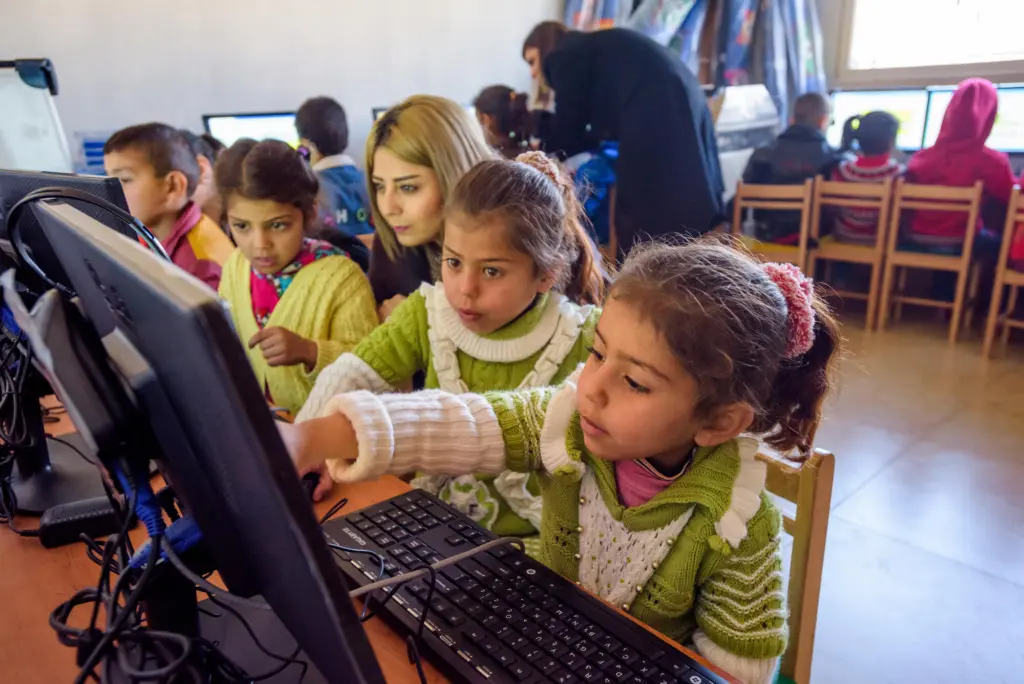
Engaging children and youth as experts
Adolescents navigate digital spaces daily and experience firsthand the pressures, norms, and risks associated with online life. Their insights help reveal how harms actually occur, which platforms are most influential, and what prevention strategies resonate.
When children and youth participate meaningfully in shaping programs:
- Solutions have a better chance of reflecting real usage patterns rather than adult assumptions.
- Messages and tools can speak in language young people recognize and trust.
- Interventions can align more closely with cultural and social realities.
World Vision’s participatory approach engages children and adolescents throughout analysis, design, implementation, and evaluation to speak into issues that affect them. This helps lead to programming that can mirror lived experience, adapt as online trends shift, and support young people as active contributors to safer digital communities.
Protecting children from digital harm requires collaboration
Online child exploitation and abuse are increasingly shaped by forces that operate far beyond the boundaries of any one country. Technology platforms span continents, legal frameworks vary widely, and social norms shift rapidly from one community to another. Criminal networks exploit these gaps, adapting quickly to new digital environments.
Because of this complexity, no single sector — government, civil society, industry, or local communities — can address the problem alone. Effective prevention and response depend on coordinated action that connects local realities with national policies and global standards. World Vision is proud to be founding members of Financing Safe Digital Futures Coalition, which aims to increase government investments to address online violence against children, align digital safety standards across sectors, and increase policy influence on issues affecting children online. At the global level, we are proud to participate in the WeProtect Global Alliance alongside governments, private companies, and civil society groups to strengthen international responses to online child sexual exploitation and abuse.
In Vietnam, we support the Cyber Safety Club, a coalition of national government ministries, child protection organizations, and tech and IT companies and businesses working to collectively contribute to policies and solutions which make the digital environment safer for Vietnamese children and youth.
Together, these partnerships help bridge the distance between community experiences and high-level policy discussions. On-the-ground evidence from programs feeds into global and national standards, while international commitments are translated into practical tools and actions that protect children where they live, learn, and connect.
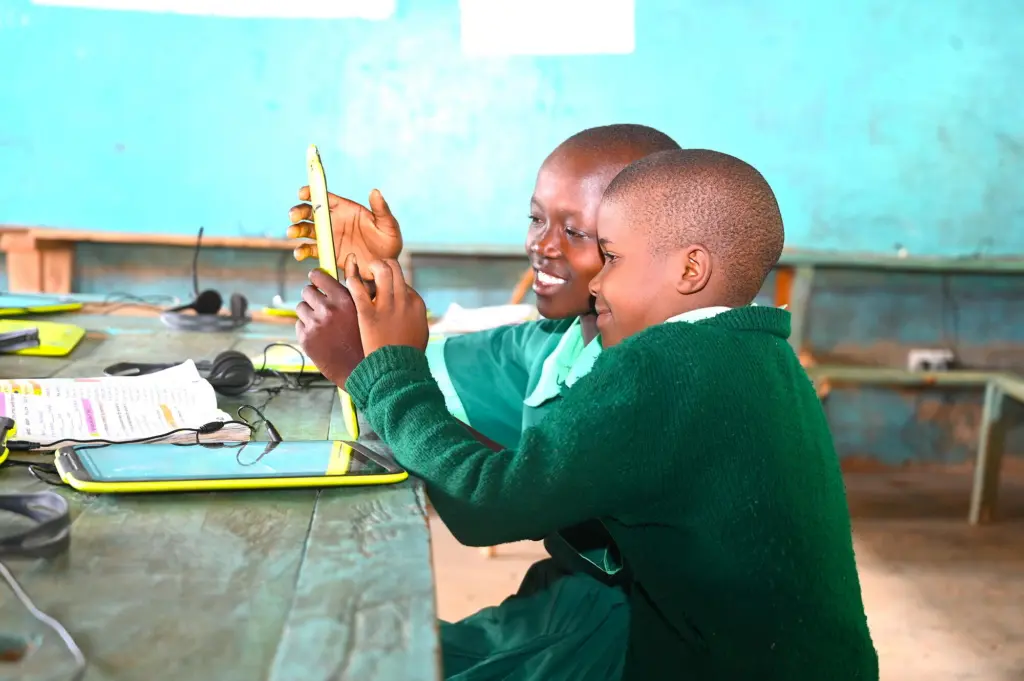
Building Sustainable, Systemic Protection
Long-term digital safety for children depends on the strength of national systems and the local institutions that carry those systems forward. Around the world, World Vision works alongside governments and community partners to reinforce these interconnected layers of protection, ensuring that commitments made at the policy level translate into safer environments for children in their daily lives.
In Mongolia, this work centers on the school system through the Child Protection Compact (CPC), an initiative to combat child trafficking. In partnership with the U.S. Department of State and the Mongolian government, World Vision has supported the Mongolia Ministry of Education in standardizing the Keeping Children Safe Online curriculum nationwide, helping to embed digital safety into regular classroom instruction. Teachers across the country are being trained to deliver age‑appropriate lessons that equip children with the skills to recognize risks and navigate digital platforms more safely. By integrating these lessons into routine schooling, online protection becomes part of the fabric of everyday learning rather than a separate or optional topic.
In the Philippines, efforts are focused on strengthening government systems responsible for identifying and responding to online sexual exploitation of children. Through Project ACE (Against Child Exploitation), World Vision collaborated with law enforcement agencies, social service providers, and local communities to close gaps in coordination and improve the flow of information between institutions. The project also expanded survivor-centered support, helping ensure that children who have experienced abuse receive the services they need to recover and rebuild their lives.
Taken together, efforts like these demonstrate how policy, institutions, and frontline services can work in tandem to protect children. By supporting this continuum — from prevention and early identification to response and recovery — we can help countries put durable, sustainable safeguards in place.
Protecting children in digital spaces has become an essential part of protecting them everywhere. Through evidence‑informed programming, youth engagement, multi-sector collaboration, and long-term systems strengthening, World Vision continues working toward a safer digital future for every child.
On Safer Internet Day, let’s reaffirm our commitment to ensuring that every child can thrive — online and offline — with dignity, safety, and hope.
Learn More
- Child Online Protection: Tips Every Parent Should Know
- World Vision’s Response to COVID-19: A reflection on digital and remote child protection programming
- U.S. – Mongolia Child Protection Compact Partnership and Child Protection Compact Partnerships: Mongolia
- Child Protection Compact Partnerships: Romania
