
Each year, the World Day for the Prevention of and Healing from Child Sexual Exploitation, Abuse, and Violence calls attention to a devastating reality: 1 billion children experience violence every year, yet global investments to prevent and respond to that violence remain critically low.
This year, we are focusing on evidence-based policy making — moving from data to action — to ensure that every dollar, every law, and every program is guided by what will best protect and heal children. It’s a commitment to accountability, transparency, and continuous learning to end sexual violence against children.
Using Evidence to Drive Action
In 2020, only 0.18% of total Official Development Assistance (ODA) was dedicated to ending sexual violence against children—less than two cents for every $10 spent. This funding gap reflects a broader global pattern: while commitments to protect children are strong in words, they are weak in budgets.
That is why World Vision and partners are working to motivate governments to use data for public investment in solutions that work towards eliminating sexual violence against children.
World Vision and the Oak Foundation, in partnership with FP Analytics, collaborated on a first-of-its kind global assessment of how 20 countries across five regions allocate and disclose national budges to prevent and respond to child sexual abuse (CSA). The Safeguarding Childhood Report examines the transparency of government spending, the alignment of budgets with national policies, and the balance between prevention and response efforts. Drawing on extensive document review, expert interviews, and cross-country analysis, the study finds that despite rising rates of CSA, most governments fail to clearly identify or adequately fund CSA-related initiatives — particularly prevention — leaving critical gaps in child protection systems. The report highlights trends, strengths, and weaknesses across countries and offers actionable policy recommendations to strengthen budgeting practices, improve accountability, and ensure that national commitments translate into meaningful protection for children.
Through an Oak Foundation-funded multi-country initiative, which leverages these learnings, World Vision is leading efforts across Indonesia, Kenya, the Philippines, Tanzania, and Uganda to increase government investments in preventing and responding to sexual violence against children (SVAC). The project equips advocates, governments, and civil society organizations (CSOs) with tools to track, analyze, and influence child protection budgets; builds capacity through evidence-based budget monitoring and advocacy; publishes policy briefs; and promotes survivor and youth-led advocacy at every level.
This initiative exemplifies evidence-based policymaking — using research and data to inform, advocate, and secure public investment in child protection so that every policy and budget decision is grounded in proven solutions and the lived experiences of those most affected.

Children and Survivors Lead Change
Sustainable solutions begin when those most affected lead the way.
In the Philippines, World Vision’s partners hosted a national webinar to launch the Safeguarding Childhood Report, drawing nearly 100 participants from civil society, faith-based groups, and government agencies. The dialogue centered on one message: children and survivors must shape the policies and budgets that affect them.
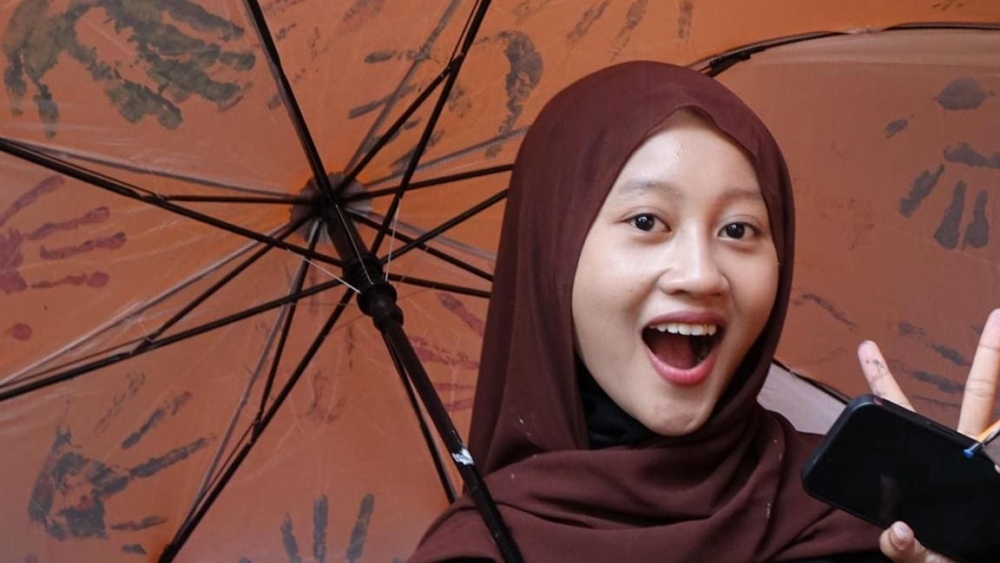
In Indonesia, World Vision partners with local entities to empower children to take part in budget advocacy. After learning how public budgets are designed, young advocates mapped key actors and presented proposals for sustained child protection funding. Their efforts helped secure the continuation of Indonesia’s Special Allocation Fund for Women and Child Protection Services in the 2026 budget—a victory that shows the power of data-driven advocacy and youth engagement.
This model of inclusion — where children learn to present policy briefs, participate in hearings, and advocate for reform — illustrates what’s possible when advocacy is built on dignity and participation. Evidence shows that programs designed with children and survivors are not only more ethical but more effective, generating better outcomes across the protection system.
Collaboration Multiplies Impact
No single actor can end sexual violence against children. True progress depends on multi-sectoral collaboration among governments, donors, civil society, and communities.
World Vision’s partnerships across Kenya, Uganda, Tanzania, the Philippines, and Indonesia demonstrate that joint planning and evidence-sharing amplify results. Together with coalitions like Safe Digital Futures, and partners such as Plan International, Safe Online, and the Brave Movement, we are advocating for increased transparency in funding and monitoring — ensuring that commitments translate into measurable change.
The lesson is simple: evidence and data-driven decisions lead to smarter investments to protect children and improved long-term outcomes. Tools like the INSPIRE package document evidence-based practices which work to prevent and respond to violence against children. The Safeguarding Childhood Report highlights the gaps between the prevalence of violence and investment in response. Equipped with the right data and tools, communities, civil society, and governments can make more informed choices and investments to protect children from harm.
From Evidence to Impact: The Time to Act Is Now
Awareness is no longer enough. The evidence is clear — and so is the path forward. Every statistic represents a story, a child whose safety and future depend on what we choose to do next.
When evidence informs policy, and policy drives investment, protection becomes real. Governments begin to prioritize prevention and response to violence, donors align funding to measurable outcomes, and communities are equipped to safeguard children before harm occurs.
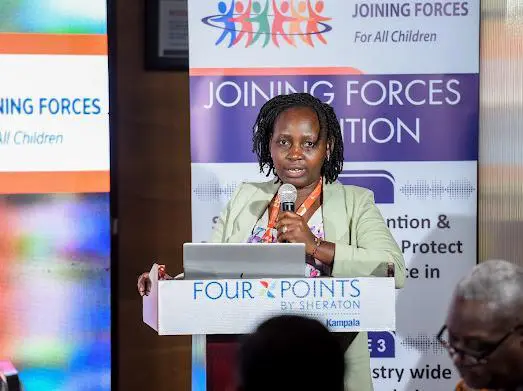
By equipping national child protection networks and local civil actors to engage and advocate for increased investment, together we are proving that change is possible. When we invest, collaborate, and listen to those most affected, survivor- and youth-led advocacy transform systems.
Now is the time to turn awareness into action — by ensuring that every child is protected, heard, and free from violence.
We invite governments, donors, and partners to join us:
- Invest in prevention, response, and restorative services that protect children and strengthen systems.
- Ensure accountability through regular monitoring, transparent reporting, and evidence-based decision-making.
- Center survivor, child, and youth voices in every policy, budget, and program design.
- Collaborate across agencies and ministries to align strategies, share data, and multiply impact.
Ending sexual violence against children is within reach — but only if we act together. Every investment in prevention and response is an investment in healing. Because every child deserves brighter futures full of promise, possibility, and peace.
