
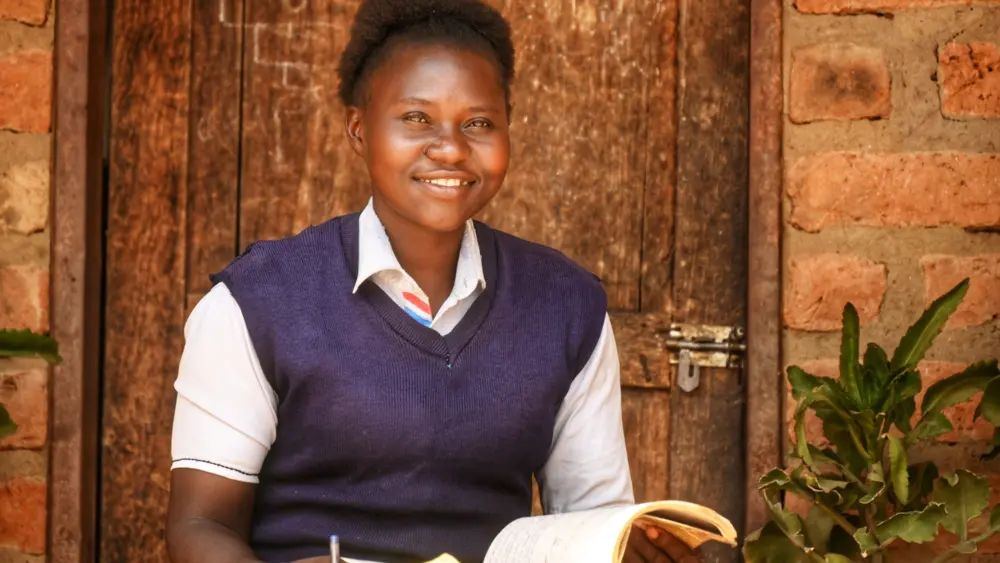
Girls’ education goes beyond enrollment — it’s about ensuring that girls learn effectively, feel safe, and have the opportunity to complete every level of education. It means equipping them with the knowledge, skills, and confidence to succeed in the labor market, adapt to a changing world, make informed decisions about their own lives, and contribute meaningfully to their communities and the world.
Educated girls grow into women who are better informed about nutrition, are more likely to marry at a later age, and are more likely to raise healthier children. Yet for the 122 million girls that are out of school and the increasing numbers of girls out of school in fragile contexts these possibilities remain out of reach.
World Vision stands alongside girls, empowering them through a circle of support that broadens access to opportunities, fosters community participation, transforms systems, and enables girls to make decisions that improve their well-being. Our transformative approach to girls’ education imagines a world where every girl — no matter her age, background, or circumstance — has the power to shape her own future and lead change in her community. On the frontlines of crisis, girls are not just surviving, they are innovating, organizing, and inspiring transformation.
Barriers to Girls’ Education
Girls face a multitude of complex and intersecting barriers that prevent them from attending school and completing their education. In rural areas, schools often have inadequate and unsafe infrastructure to support dignified menstrual hygiene management (MHM) and girl-friendly services. Teaching and learning practices are also often inequitable and non-inclusive.
Economic barriers, with families unable to afford school-related costs, as well as social norms and practices may limit opportunities for girls. In some communities, violence in and around schools and the persistence of child marriage create unsafe environments that discourage attendance and contribute to high dropout rates.
Community Solutions
Despite these barriers, there is great hope for change. Evidence shows that when girls are valued by society, they can realize their full potential, their families grow stronger, communities thrive, and economies prosper. Building on this evidence, World Vision implements a holistic approach through partnering at all levels, across sectors to create safe and inclusive teaching and learning environments, expand access to MHM services, and address social norms that limit girls’ opportunities.
Social and gender norms are among the strongest drivers of unequal outcomes for girls and boys, shaping educational experiences across all levels of the education system, in both formal and informal settings, and across diverse geographical contexts. However, education has the exceptional power to open the space to challenge and transform these norms, form new perspectives, and promote equality that extends far beyond the classroom.
Charien’s Story
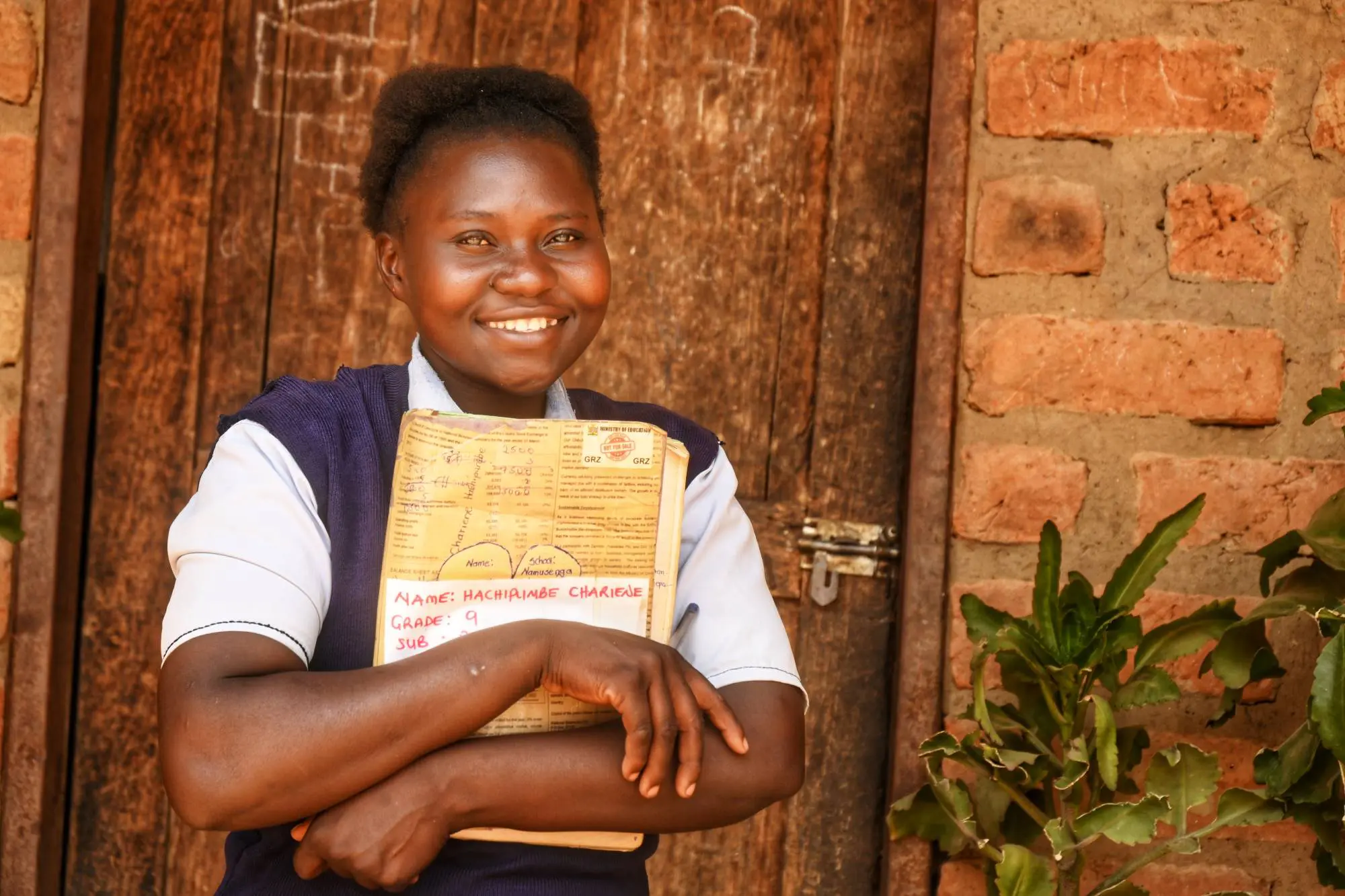
Charien Hachipumbe, one of the 5,027 girls reached in rural Zambia, exemplifies how girl-centered approaches can transform a lives.
Married at just 15, Charien’s future seemed limited by the social norms that prioritize marriage over education for girls in her community. Today, 22, she is a mother of two children and a student in grade 9, determined to complete her education and create a better future for her children.
Returning to school was not easy. “The community was laughing at me for going back to school because of my age,” she recalls. Younger students teased her for returning to the classroom, but she was determined. Along with this stigma, she was also fearful that she would experience sexual harassment from her teachers because of her age. Fortunately, she did not experience such abuse, but the journey remained challenging.
Her resilience was strengthened by key support systems, particularly the Stay in School Committee (SISC), a group of community members who monitor children (and overaged students) at risk of dropping out or who have dropped out, by visiting homes and engaging families to support their education.
“[They] always check on me and other children when we miss school,” Charien says. It was the SISC who first identified her as a girl who had dropped out, seeing her potential to return and thrive. Through their advocacy, the committee has changed how families and the community at large supports education, raising awareness about the importance of keeping children — especially girls — in school.
EVE Project in Namwala
Through the Empowering Vulnerable Children with Education (EVE) project in Namwala in partnership with the Forum for African Women Educationalists of Zambia (FAWEZA) and, Education Above All Foundation with support from Qatar Fund for Development (QFFD), Charien has also gained access to safe spaces where girls can feel empowered to express their voices through the Student Alliance for Equity (SAFE) clubs.
“The SAFE clubs teach children on their rights and teach them how to overcome peer pressure,” explains Charien.
Charien’s experience in these types of clubs highlights the importance of safe spaces for girls to build social capital and amplify their voices at home and in their communities. Safe spaces are essential not only for fostering strong peer relationships, but also for supporting continued attendance and success in school. Access to safe sanitation and hygiene facilities is particularly critical, as stigma, shame, and misinformation tied to menstruation often prevents girls from attending school and can contribute to drop out.
World Vision addresses these challenges by raising awareness and equipping girls and their communities to reduce the stigma and cultural taboos around menstruation. Girls are also trained to produce reusable sanitary supplies, empowering them to manage their hygiene with dignity and stay in school.
As Charien shares, not only has the “provision of clean water in the schools helped in creating a conducive environment but also helped us to practice good hygiene.” She and the other girls also value the “training given to the learners to make re-usable sanitary towels because this is a challenge [for rural girls] to have access to these products and this has been a contributing factor to school dropout among girls.”
The EVE project has motivated girls who were married at a young age, like Charien, to rededicate themselves to their education while also developing as leaders. With her family’s support, she balances responsibilities at home and school and gains confidence through the leadership roles she plays at school and in her community.
“I was the school head girl, the highest position in the school community, leading my fellow pupils,” she shared. Charien also served as chairperson for the menstrual hygiene club and was chosen as an advocate for campaigns to end child marriage and promote the importance of education. Today, Charien describes her school as a “safe place,” where “teachers are so welcoming” and “encourage children to focus on education.”
Transforming Lives
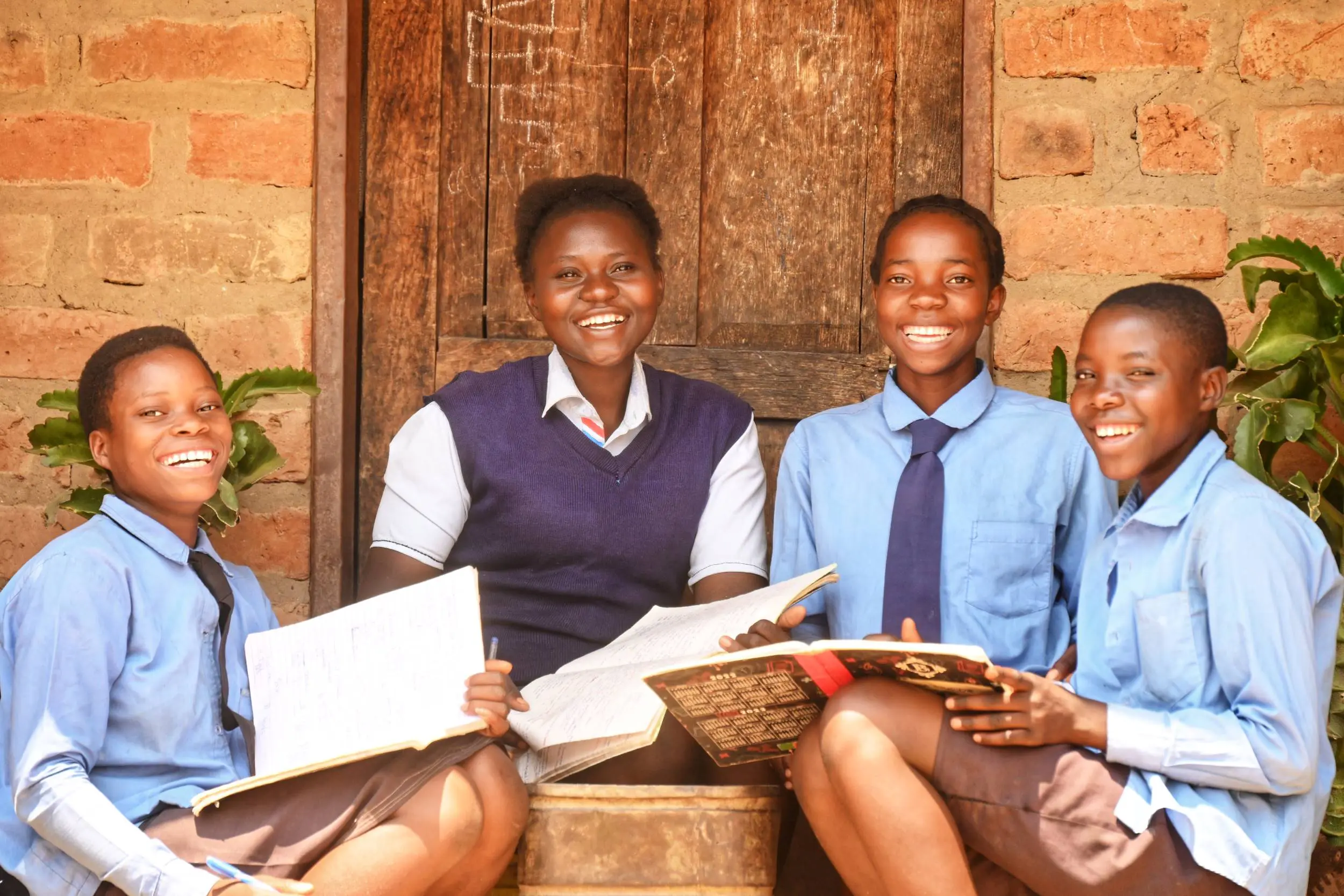
Charien’s story is an inspiration and a powerful illustration of how individuals, families and communities can experience transformation when barriers are addressed through holistic approaches that focus on the learning ecosystem and the social norms that push girls into child marriage — barriers that interrupt their education and make returning to school difficult. Through supportive community and school environments, and positive peer relationships in safe spaces that allow girls to take leadership and amplify their voices, we see girls like Charien accessing relevant learning opportunities and experiencing life in all its fullness.
Breaking down barriers, equipping girls to lead change, and building lasting progress requires all of us — donors, policymakers, advocates, practitioners, and communities — to invest in proven approaches and amplify the voices of girls on the frontlines. To truly accelerate change, we need collective action and strategic investment in what works.
- Advocate for and include inclusive education initiatives in humanitarian response and development programs that break down barriers for the most vulnerable girls — including those with disabilities and those affected by conflict
- Explore our latest research and resources. Discover how technical excellence and innovation are driving sustainable change for girls worldwide.
- Are you a donor, policymaker, or practitioner passionate about girls’ education? Engage with our technical experts to learn more about how World Vision’s proven approaches can help achieve your goals.
- Sponsor a girl during our #1000 Girls campaign or advocate for policy change. Your action today helps build a more just and hopeful world for everyone.
Written by: Alisa Phillips, Daisy Lupupa, Kerina Zvobgo, and Zayid Douglas
