
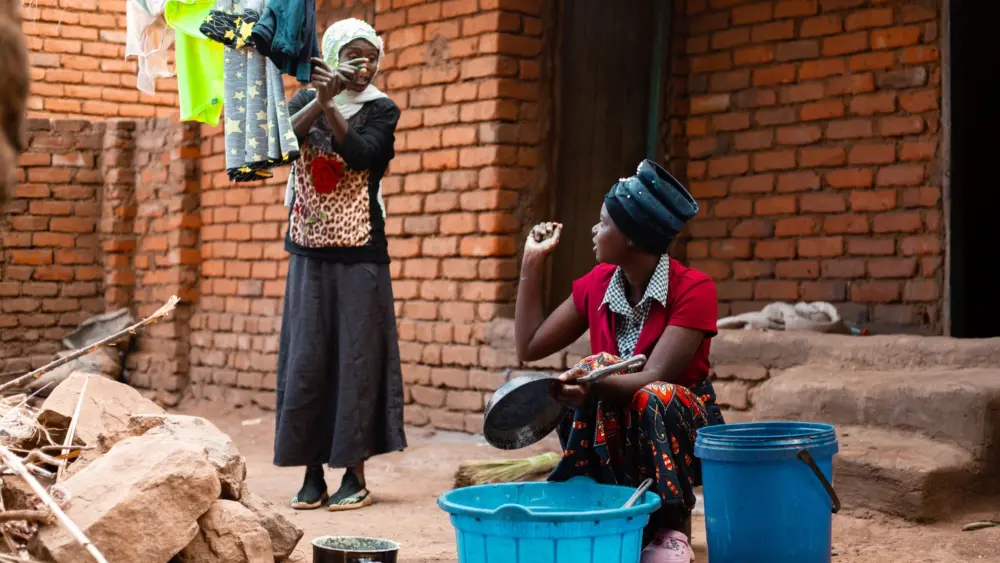
On this International Day of the Girl, we celebrate the power of equipping girls to realize their potential and shape a future where they and their communities can thrive. World Vision is at the forefront of breaking down the barriers that prevent girls from accessing education and staying in school, a proven predictor linked to economic growth and overcoming poverty. Through holistic, sustainable, and cross-sectoral programs, we tackle the root causes of inequality, from food security to gender and other social barriers, helping ensure that girls can realize their full potential. These efforts are more than just interventions—they are investments in a future where every girl thrives, becomes a leader, and contributes to the strength of her community.
In this photo blog, we share the stories of two young girls, Jamira from Malawi and Obitu from Ethiopia, whose lives have been transformed through participating in World Vision’s programs. Their journeys are examples of how our evidence-based solutions are accelerating progress toward a brighter future for girls worldwide.
Reconnecting with Hope – Jamira’s Sign Language Club in Malawi
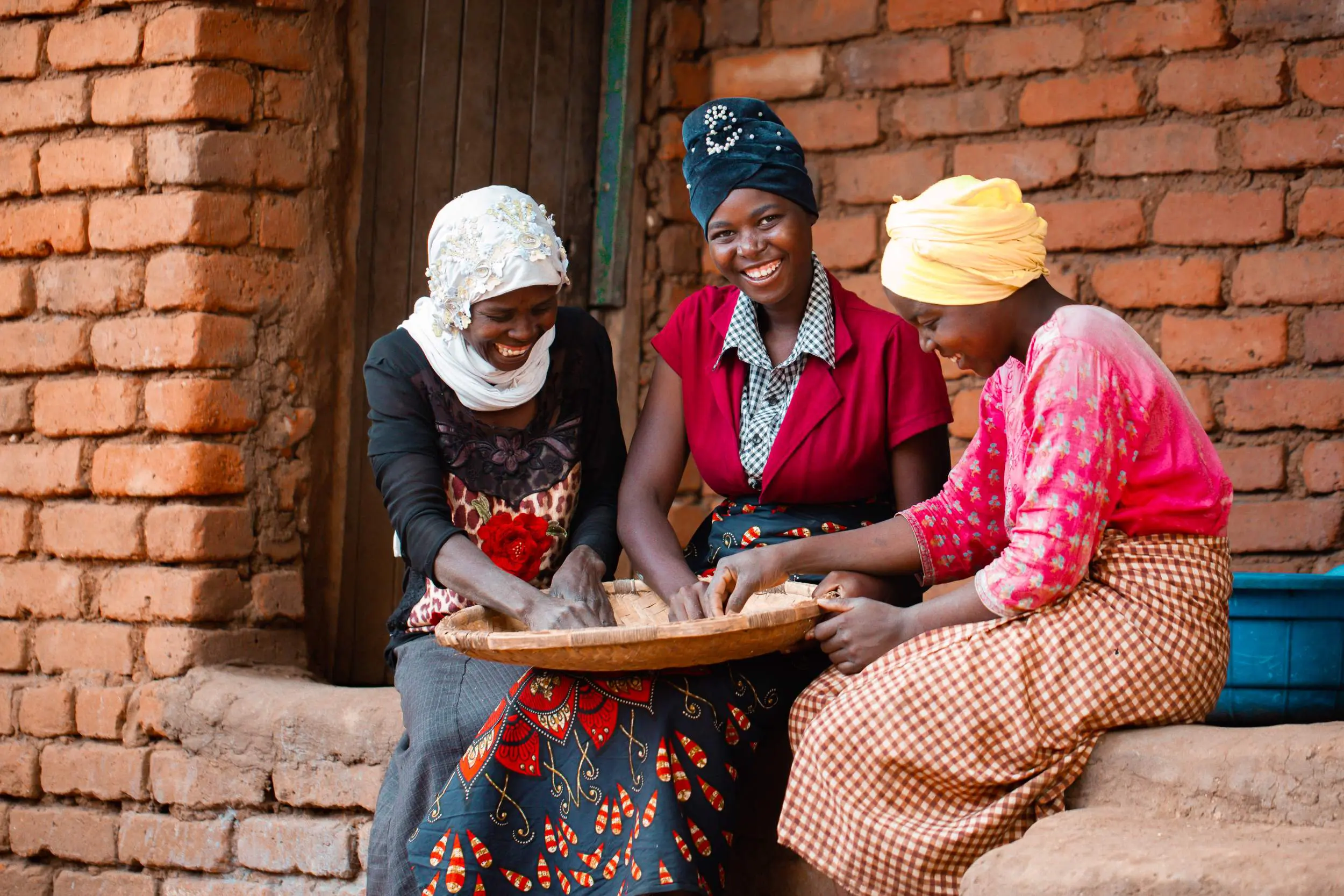
For Jamira, 24, growing up in Malawi as a child who is deaf meant confronting daily isolation and discrimination. Her dream of becoming a doctor was shattered when, despite her best efforts, she couldn’t complete her education. In schools that weren’t equipped to support children with disabilities, teachers lacked the skills to communicate with her. According to the World Federation of the Deaf, it is estimated that less than 2% of the world’s 34 million deaf children receive early exposure to sign language. Of the 34 million children with disabling hearing loss around the world, the World Federation of the Deaf estimates 80% do not have access to education.
Jamira felt alone—but where others saw limitations, World Vision’s Able to Thrive program saw potential.
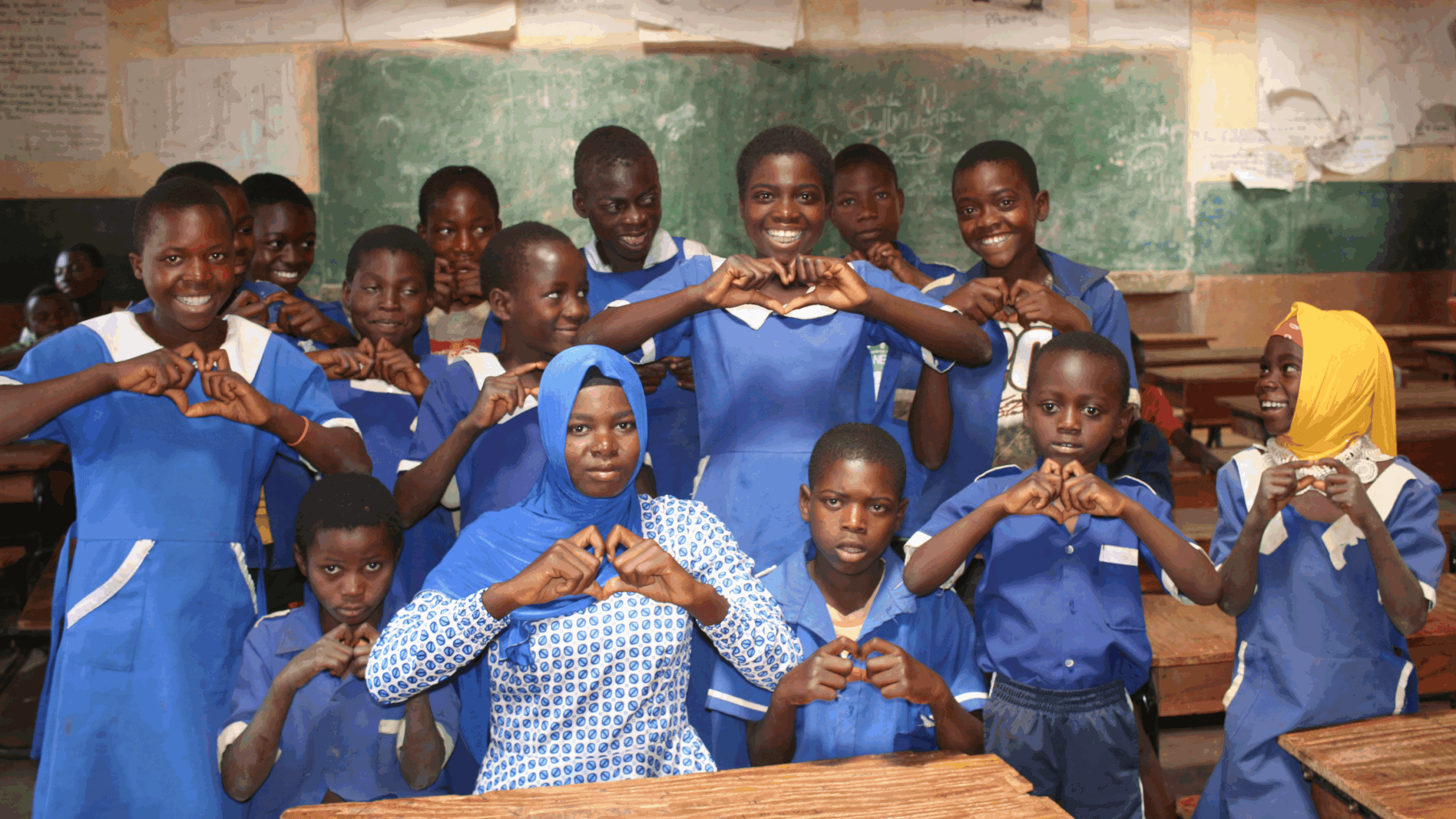
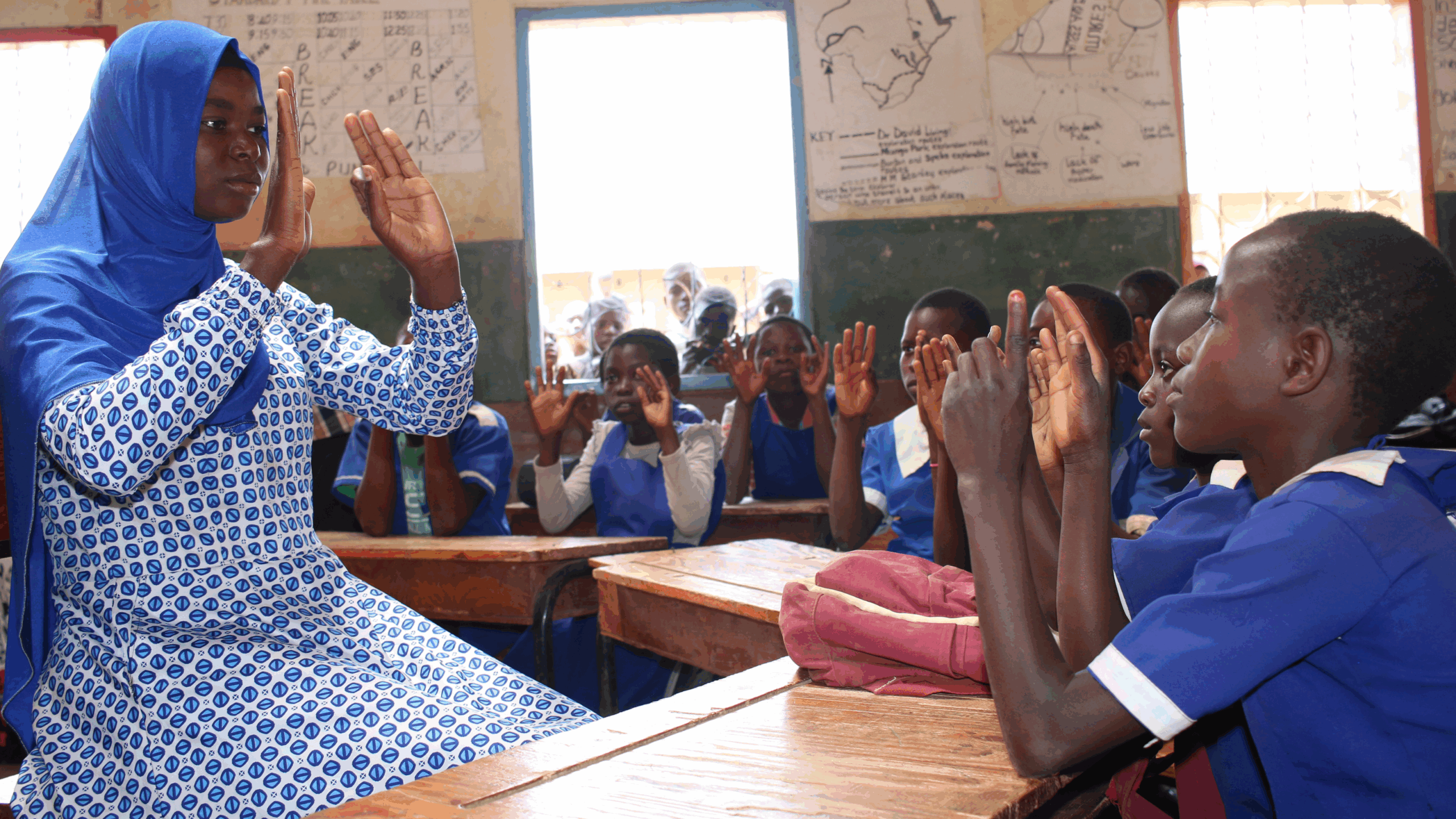
Through the sign language club established at Mlozi L.E.A School, Jamira found something she had never had before: connection. Not only did the club introduce her to peers eager to learn sign language, but it also gave her the tools to teach and inspire others. The Able to Thrive program didn’t just equip Jamira with skills; it empowered her to use those skills to build bridges between herself and her community. Able to Thrive is also providing Jamira with livelihood training to support her entrepreneurial aspirations.
“I’m thrilled to be part of this club. I share my sign language skills with my peers, empowering them with essential communication tools,” she reflected. Unlike her earlier experiences, Jamira now felt fully included and valued in her environment and empowered to teach others. The inclusion of sign language didn’t just help her—it impacted the school culture, helping two other deaf learners experience their first true moments of acceptance.
The success of the sign language club is a result of World Vision’s evidence-based approach to inclusion through its Able to Thrive program. Focused on addressing both the physical and social barriers faced by children with disabilities, Able to Thrive offers a multi-pronged strategy: enhancing access to specialized services, changing harmful social norms, and advocating for policy changes. In Malawi, these efforts have improved the lives of over 3,000 children with disabilities, with plans to reach 25,000 more by 2027.
This transformation is visible not only in Jamira’s life but in the lives of her peers. The club has reduced absenteeism among learners who are deaf, fostering a more inclusive and supportive school community.

“They now feel loved and welcomed,” said Liness, one of Jamira’s teachers. By learning sign language, the school’s hearing students have become active participants in creating an inclusive environment, breaking down barriers of isolation for children with hearing impairments.
World Vision’s Able to Thrive program is based on our commitment to create inclusive environments so all children can thrive. By equipping schools with the tools to break down barriers for children with disabilities, the program is building brighter futures for children like Jamira and reshaping the way entire communities perceive and include those with disabilities.
Empowering Futures — Obitu’s Journey in Ethiopia
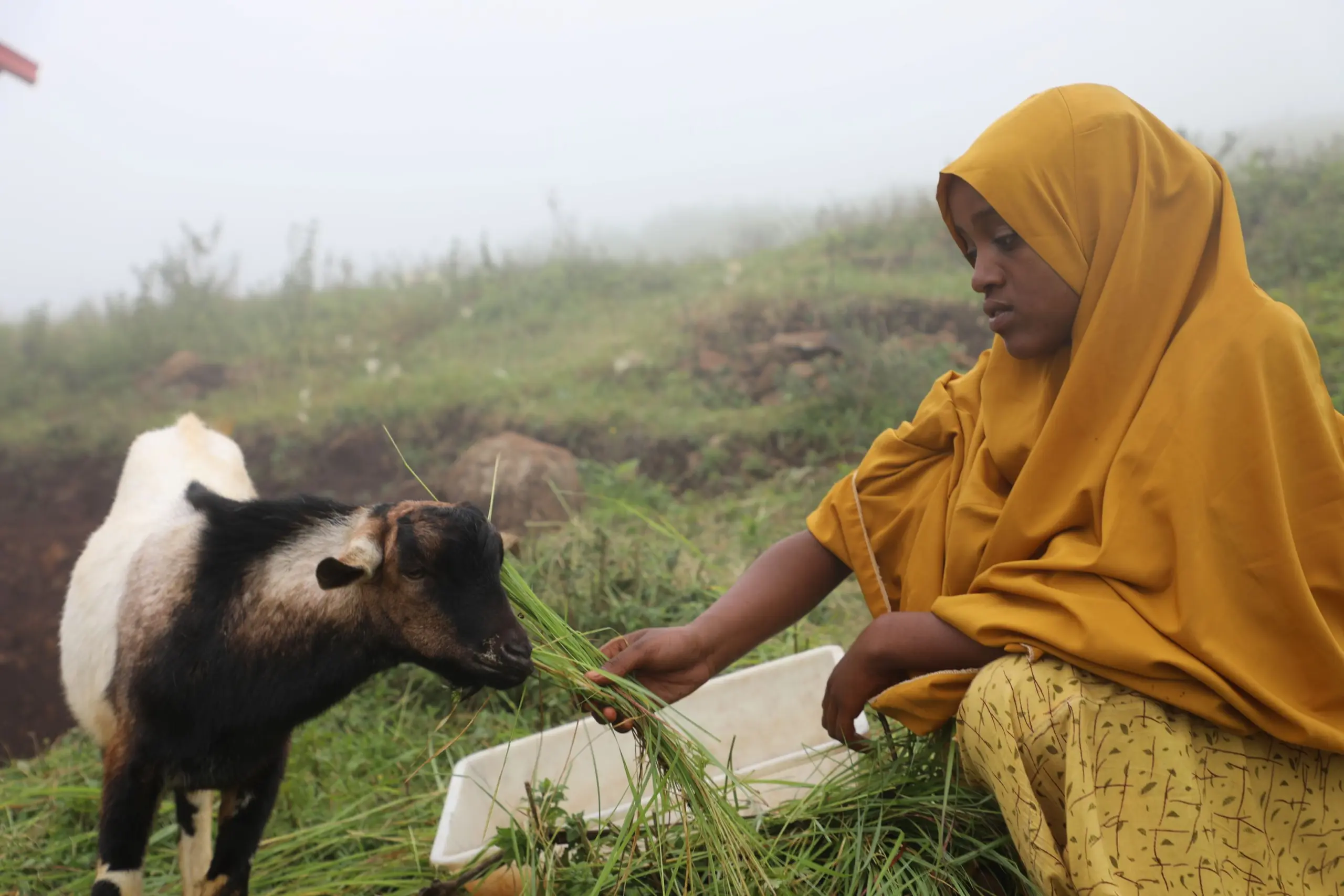
In Oromia, Ethiopia, Obitu Muaz, a 17-year-old girl, once faced an impossible choice: her education or her family’s survival. Financial hardship threatened to force her out of school, a fate all too common in her rural community. But just as the doors to her education seemed to close, a new opportunity emerged through World Vision’s SPIR II (Strengthen Productive Safety Net Programme Institutions and Resilience) program.
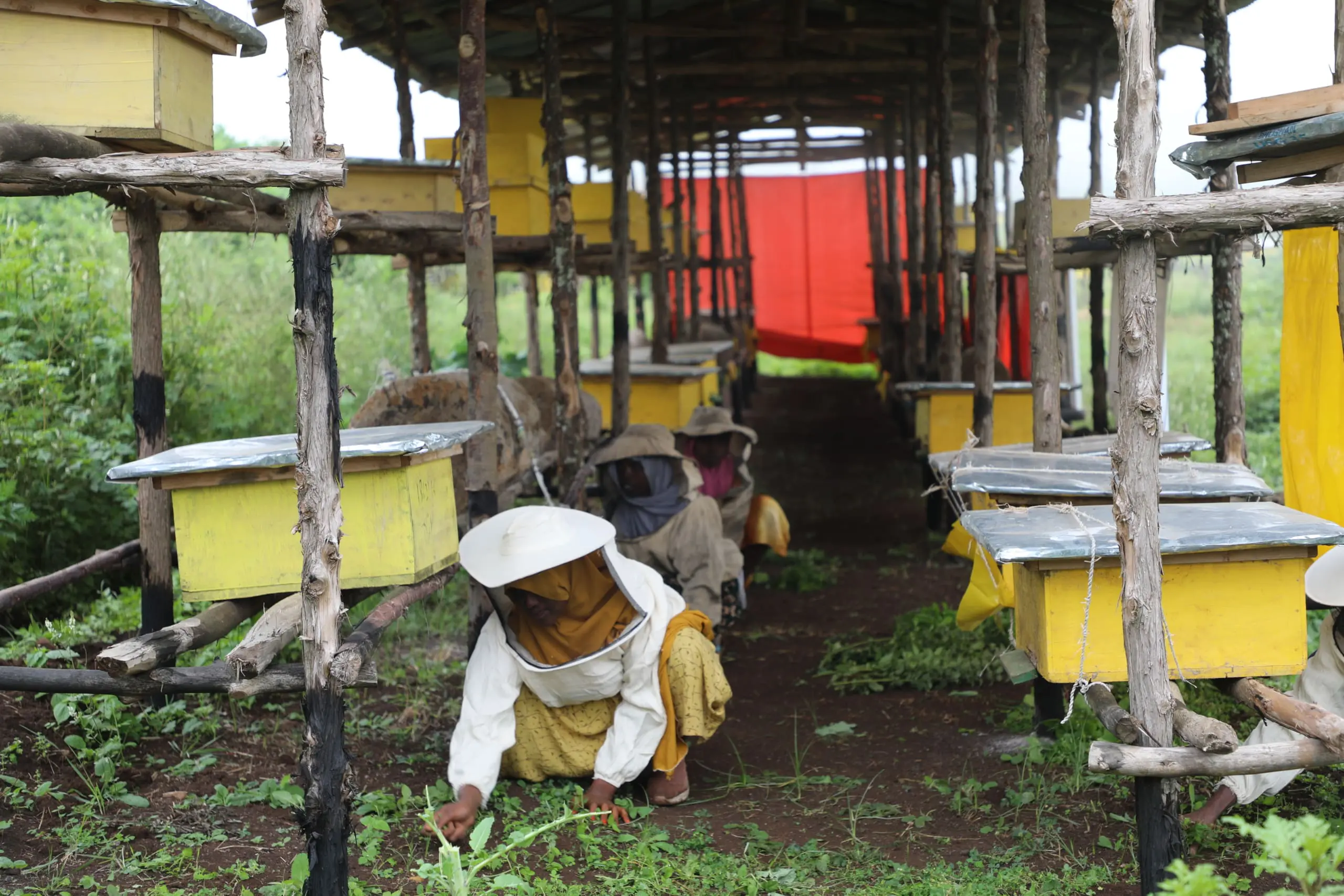
SPIR II didn’t just offer support—it gave Obitu a chance to rewrite her story. Joining a group of 50 youth, including 25 young women, Obitu received hands-on training in poultry management, financial literacy, and beekeeping. These were not just skills for survival but pathways to empowerment, designed to create long-term resilience for vulnerable youth.
“After engaging in this business, I now earn an average of 2,000 Birr (US$16) per month,” Obitu shares. With her newfound income, she was able to return to school, balancing her studies with her business ventures in egg production and goat fattening. Her story is one of resilience, proving that with the right support, girls can overcome even the most daunting barriers.
But SPIR II goes beyond individual success stories like Obitu’s. This five-year, USAID-funded program tackles food security, livelihoods, and resilience to shocks in some of Ethiopia’s most fragile regions. By equipping youth with vocational training and business skills, SPIR II ensures they can build sustainable livelihoods while continuing their education. For Obitu, this meant being able to support her five siblings while pursuing her dream of completing school.
The program’s impact extends far beyond the individual. Since its inception, SPIR II has equipped over 4,000 youth with business skills, and more than 1,000 have secured employment. By addressing economic vulnerability and food insecurity, the program is creating a ripple effect of positive change, ensuring that families no longer have to choose between their children’s education and their daily survival.
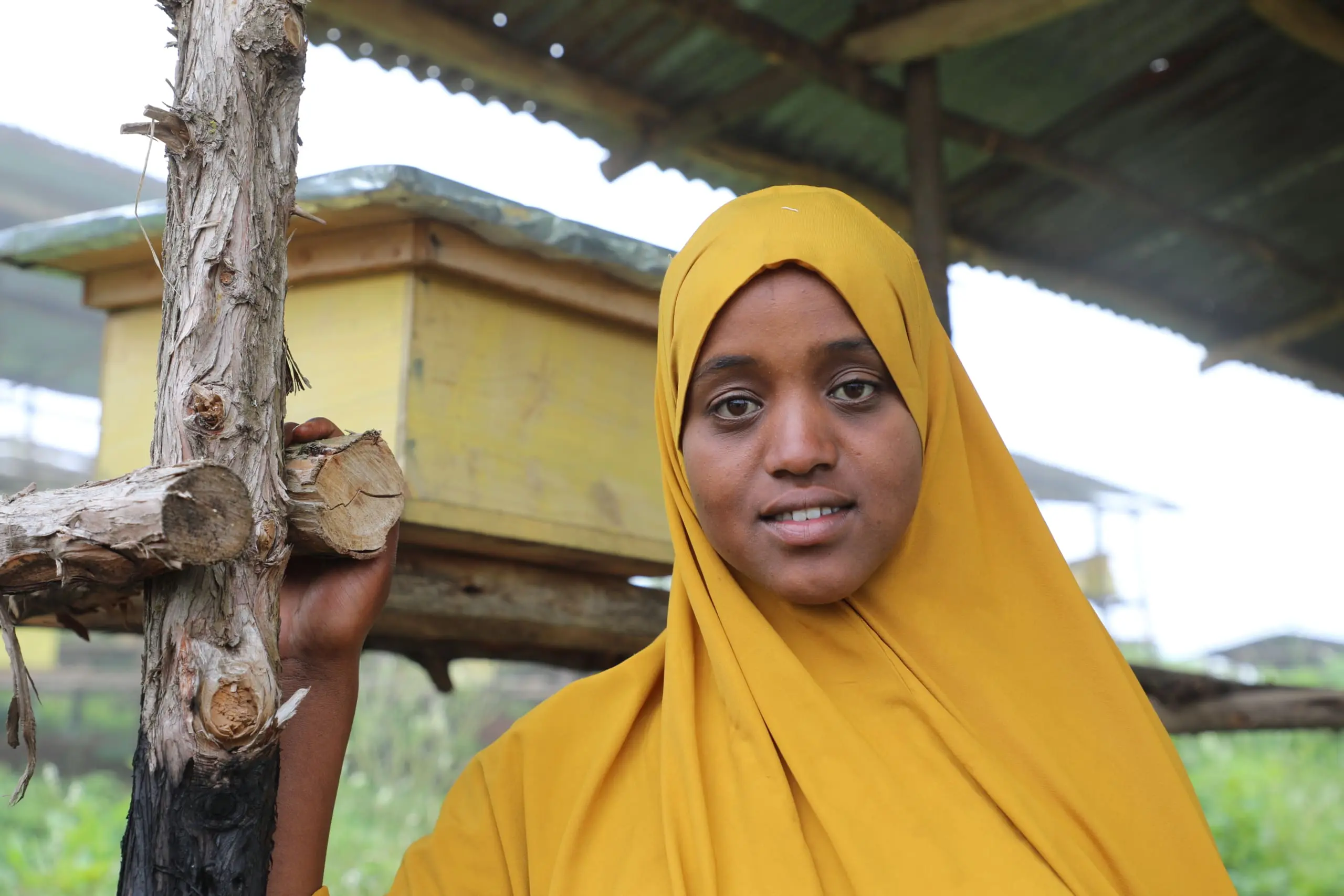
The program’s impact extends far beyond the individual. Since its inception, SPIR II has equipped over 4,000 youth with business skills, and more than 1,000 have secured employment. By addressing economic vulnerability and food insecurity, the program is creating a ripple effect of positive change, ensuring that families no longer have to choose between their children’s education and their daily survival.
On this International Day of the Girl, Obitu’s journey stands as a testament to the power of economic empowerment in breaking the cycle of poverty. By leveraging her World Vision-provided livelihood training, Obitu is not only on the path to survive but she is also thriving and contributing to a stronger, more resilient community.
World Vision’s Gender Equality and Social Inclusion (GESI) approach is at the heart of our mission to equip and empower girls to access education, overcome barriers, and fulfill their potential. Through a multi-sector approach embracing important aspects like education, child protection, health, food security and livelihoods, menstrual health, and more, World Vision addresses gender-based inequalities and social exclusion that disproportionately affect girls in vulnerable communities, particularly those facing intersecting vulnerabilities (such as having disability and living in fragile contexts, for example). By integrating GESI across sectors, World Vision fosters environments where girls can overcome societal barriers, build self-confidence, and become leaders in their communities. These efforts are scalable, sustainable, and instrumental in shaping a future where every girl has the opportunity to thrive academically, economically, and socially.
Building Brighter Futures for All
Jamira’s and Obitu’s stories are just two examples of the profound impact that World Vision’s programs are having on equipping girls worldwide to build brighter futures. With a strong GESI approach and multi-sector focus, World Vision is leading the way in breaking down the barriers that prevent girls from accessing and remaining in school. By addressing challenges ranging from disability, food insecurity, gender-based violence to child marriage and menstrual health, World Vision is creating pathways for girls to fulfill their potential and become leaders in their communities.
On this International Day of the Girl, we celebrate the resilience and strength of girls like Jamira and Obitu, who are not only overcoming the challenges they face but are also shaping a brighter future for themselves and the generations to come. Through partnerships with public sector donors like USAID, World Vision is committed to scaling up these proven, sustainable programs to ensure that every girl, no matter her circumstances, has the opportunity to thrive.
Learn More & Get Involved
Able to Thrive
The project is being implemented in 10 districts in Malawi directly targeting approximately 10,000 children with disabilities over a four-year period (from 2023 to 2027). During the first phase, the project is targeting five districts: Dedza, Dowa, Mzimba, Kasungu, and Ntchisi. A total of 4,300 children will be targeted in the first two years and approximately 5,700 children in years three and four. Building on the successes from Able to Thrive, World Vision will also leverage and track support from the government and NGOs in Malawi to advocate for case management approaches that address the burden of disabilities amongst children in Malawi; with an aim of reaching an additional 25,000 children. Lessons learned from Malawi will be shared across more than 60 World Vision offices to ensure we meet a commitment from the 2022 Global Disability Summit to serve more than five times as many children with disabilities by the end of 2026 (over 60,000 more children). Learn more from the project summary, which includes key interventions, results, and links to more impact stories.
SPIR II Program
Strengthening PSNP Institutions and Resilience II (SPIR II) is dedicated to addressing food and nutrition insecurity in Ethiopia’s Amhara, Oromia, and Tigray regions. This five-year (2021-2026) program funded by USAID’s Bureau of Humanitarian Affairs as a Resilience Food Security Activity is led by World Vision in collaboration with partners CARE, IFPRI, and ORDA. The program forms a resilient ecosystem, uniting public, private, and community partners to uplift participants from poverty, ensuring lasting income and food security improvements. Learn more from the project summary, which includes the goals, objectives, key project models, and highlights of results.
Support the READ Act Reauthorization Bill
Currently, around 34 million girls are out of primary school, along with 86 million who do not attend secondary school. When girls aren’t in school, they are left more vulnerable to child marriage and have less economic potential, among other vulnerabilities. The READ Act Reauthorization is a bill currently in the U.S. Congress that seeks to improve USAID-funded basic education programs, including making sure that these programs address the barriers that keep girls out of school and seek gender parity within schools. This is an important step to make sure that all children, including girls and children with disabilities, are able to have a quality education. Act now to help us get this bill passed through Congress: Act Now for Children’s Education.
