
NUTRITION 2026 is the flagship annual scientific meeting of the American Society for Nutrition (ASN), bringing together researchers, policymakers, health professionals, donors, and development organizations to share the latest evidence and innovations in nutrition science. NUTRITION 2026 provides a global platform for advancing evidence-based solutions to improve nutrition outcomes, particularly for vulnerable populations. The conference highlights research and innovation related to maternal and child nutrition, food systems, dietary guidance, climate resilience, and global health.
World Vision presentation
Impact of Family MUAC Training and Supervision Intensity on Caregiver Accuracy and Cost-Effectiveness in Rural Ethiopia
Date: Saturday, July 25, 2026
Time: 8:30–9:30 a.m.
Format: Oral Presentation
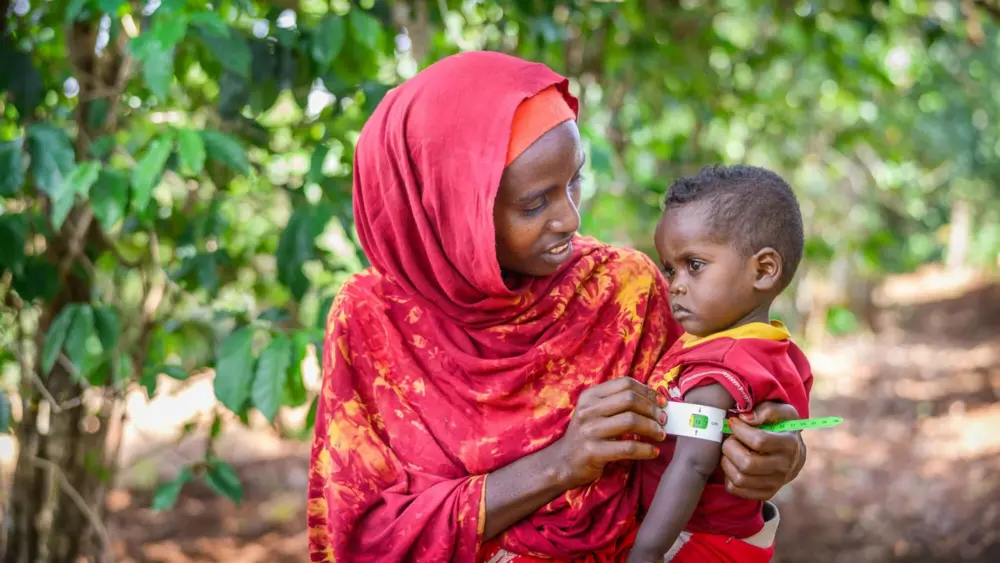
Research Focus: Early detection of child wasting through caregiver-led Family MUAC screening in Ethiopia. Family MUAC is a caregiver-led screening approach that uses color-coded mid-upper arm circumference (MUAC) tapes and edema assessment to support early identification of acute malnutrition in children.
This study examined three implementation approaches in rural Ethiopia:
- A control group
- A minimal-support intervention model
- An intensive-support intervention model
The research addresses an important evidence gap by exploring the level of support caregivers need to accurately and cost-effectively identify and refer children with acute malnutrition before their condition becomes life-threatening.
Presenters
Tigist Mamo Cherkos, MPH, BSc, RN
Health and Nutrition Technical Advisor, Strengthening PSNP Institutions and Resilience (SPIR II), World Vision Ethiopia
Tigist Mamo Cherkos will present findings from the Family MUAC study, drawing on experience supporting nutrition programming and resilience initiatives in Ethiopia.
Kathryn Reider, M.S.
Food Security and Livelihoods Team, International Programs Group, World Vision U.S.
Kathryn Reider contributed to the study’s design, analysis, and dissemination efforts focused on strengthening evidence-based nutrition programming.
Resources
- Family MUAC study: Training, supervision improve caregiver-led malnutrition screening
- Barriers to appropriate complementary feeding and the use of ultra‐processed foods: A formative qualitative study from rural Oromia, Ethiopia
- The impact of a nutrition-sensitive graduation model program on child nutrition: Experimental evidence from Ethiopia
- IMPEL learning brief: The impact of a nutrition-sensitive graduation model in child nutrition
- Intervention targeting through a spatial lens: Exploring the relationship between spatial elements and the outcomes of the SPIR I project in Ethiopia
- Food preservation techniques for rural Ethiopia: Formulation of complementary flour
- SPIR Ethiopia: Barriers to adoption of optimal complementary feeding practices in Ethiopia
- SPIR II’s Impact in Ethiopia: Restoring hope, building resilience
