

In some of the world’s most dangerous places to be a child, change begins not with policy or programs — but at home, through safe and loving families.
Honduras is among the most violent countries in Latin America and the Caribbean — a region with the highest child and adolescent homicide rate in the world. Decades of gang violence, transnational organized crime, corruption, and impunity have created conditions that make it one of the most dangerous places in the world for children. Eight of the 10 countries with the highest homicide rates worldwide are in the region. In 2024, more than 600 violent deaths among children and youth were reported, including 96 children under age 17. Roughly one-third of girls were married before age 18, and almost two-thirds of children ages 1 to 14 experienced violent discipline at home.
What makes this context particularly difficult is the social normalization of violence at every level. Domestic violence is common, physical discipline is the norm in many homes and schools, and criminal gang violence is among the highest in the world. Children grow up learning from their environment that violence is the way to solve conflict — within families, between peers, and in their communities.
World Vision’s decades of work in Honduras, supported by research across the subregion shows that children’s exposure to violence often starts in the places they should feel most protected. For many children, home is not always a place of safety. Children who experience violence in the home may turn to public spaces that are also unsafe, exposing them to further harm. Without safe homes or communities, they may be forced to seek protection from criminal gangs, or to leave their communities entirely and migrate in search of safety and stability.
In contexts where violence has become normalized across families, schools, and communities, lasting change depends on shifting the beliefs, behaviors, and norms that allow violence to persist. This is where faith communities can play a unique role.
Starting with hope at home: Celebrating Families
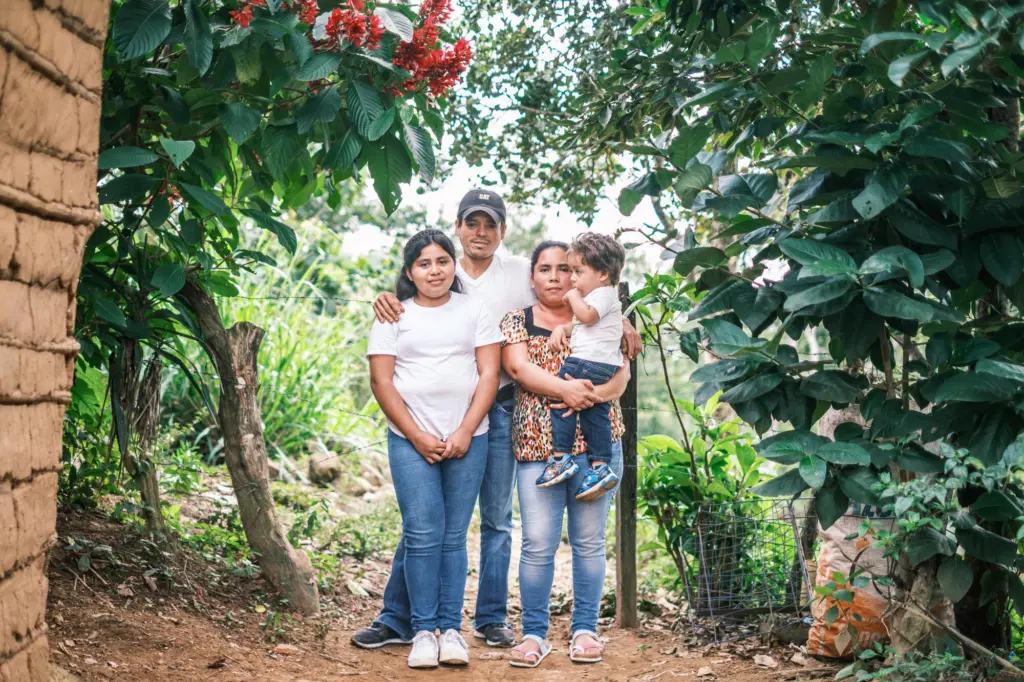
World Vision seeks to disrupt the social normalization of violence at its roots — working with faith leaders and faith communities to transform relationships between caregivers and children and create an environment of safety and hope within the home. Safe and nurturing family environments form the foundation of child protection and family preservation. Through Celebrating Families, World Vision works with caregivers and community leaders to reflect on beliefs and behaviors passed from generation to generation, strengthen positive relationships, and offer practical alternatives that support nonviolent parenting. Evidence suggests these changes can be substantial.
A study of Celebrating Families conducted with Fuller Theological Seminary in 12 countries, including Honduras, found a 47% reduction in caregivers reporting that they hit children as punishment, alongside sustained improvements in caregiver-child relationships. In Central America, harsh parenting behaviors declined significantly following participation in the program. The study also found improvements in caregiver well-being and social support, while children reported stronger relationships with family and peers and greater hope for the future. By engaging caregivers through trusted faith relationships and creating space for reflection on beliefs and values, these approaches help shift individual behavior and the social norms that reinforce it.
Celebrating Families integrates with child protection, education, and livelihoods programming and has been adapted to many different faith contexts, including non-religious ones. The model is built on biblical teachings on the family and draws on faith as a source of motivation and reflection. However, its focus on strengthening relationships, promoting positive parenting, and challenging harmful social norms has proven relevant across diverse cultural and religious contexts.
The unique role of faith leaders and faith communities
In contexts where violence has become socially normalized — as in Honduras and across much of Latin America and the Caribbean — faith communities can do something that programs and policies often struggle to achieve on their own: challenge collective perceptions of what is acceptable. Through trusted relationships and shared values, they create space for individuals and communities to examine long-held beliefs, discuss alternative approaches, and adopt new norms that support children’s well-being.
Faith leaders are trusted voices, deeply embedded in the culture and everyday life of their communities. Their familiarity with local dynamics and their established relationships allow them to identify risks early and respond in ways that are both timely and contextually appropriate. From our experience, church leaders who have received training actively recognize signs of abuse or neglect — and community members feel safe reporting incidents to them.
As one church volunteer in Honduras explained, trained volunteers learn to recognize when children appear withdrawn or distressed and use trusted relationships to create opportunities for conversation. By building that trust over time, children may feel more comfortable sharing concerns and opening up about difficulties they are experiencing at home.
Faith leaders also respond holistically. They address harmful behaviors from both a legal and faith standpoint while supporting affected families throughout the healing process. Through their outreach, they extend well beyond their congregations to reach vulnerable children and families in the wider community.

Strengthening child protection
Faith-based approaches are most effective when they complement broader child protection and development efforts. By combining evidence-based programming with the trust, relationships, and long-term presence of faith communities, these partnerships can help create and sustain change at the individual, family, and community levels. Faith communities often have an existing presence in hard-to-reach areas, trusted relationships with families, and the ability to reinforce messages over time. When engaged effectively, they can extend the reach of child protection efforts, strengthen uptake of services, and help sustain behavior change beyond the life of a project.
One critical value of faith-based approaches lies in their ability to help communities examine and reshape the beliefs, relationships, and social norms that influence how children are treated and protected. Through World Vision’s work with faith leaders — including programs such as Channels of Hope for Child Protection and Empowered Worldview — communities have shown increased willingness to challenge harmful traditional norms, reject violent forms of discipline, speak out against practices such as child marriage, and report cases of abuse.
These programs equip families with practical tools to replace harmful practices with positive parenting and child protection approaches while creating opportunities for reflection on the beliefs and values that shape behavior. Through this process, communities often reconsider long-held beliefs about children, parenting, and protection, helping to challenge the acceptance of violence and support lasting change. In Honduras and across the region, programs such as Crianza con Ternura (Parenting with Tenderness), implemented through faith partners, play a key role in challenging entrenched norms around violent parenting.
World Vision has been implementing faith-based approaches for decades, and their effectiveness is rooted in genuine partnerships with faith communities. These approaches offer alternative norms grounded in faith, hope, and love — motivating changes in mindset and behavior that hold over time. By combining evidence-based programming with deep relationships and shared convictions, World Vision works alongside local faith partners to support meaningful change at scale — bridging community influence with the resources and knowledge needed to strengthen child protection systems and improve outcomes for vulnerable children.
Sustaining change
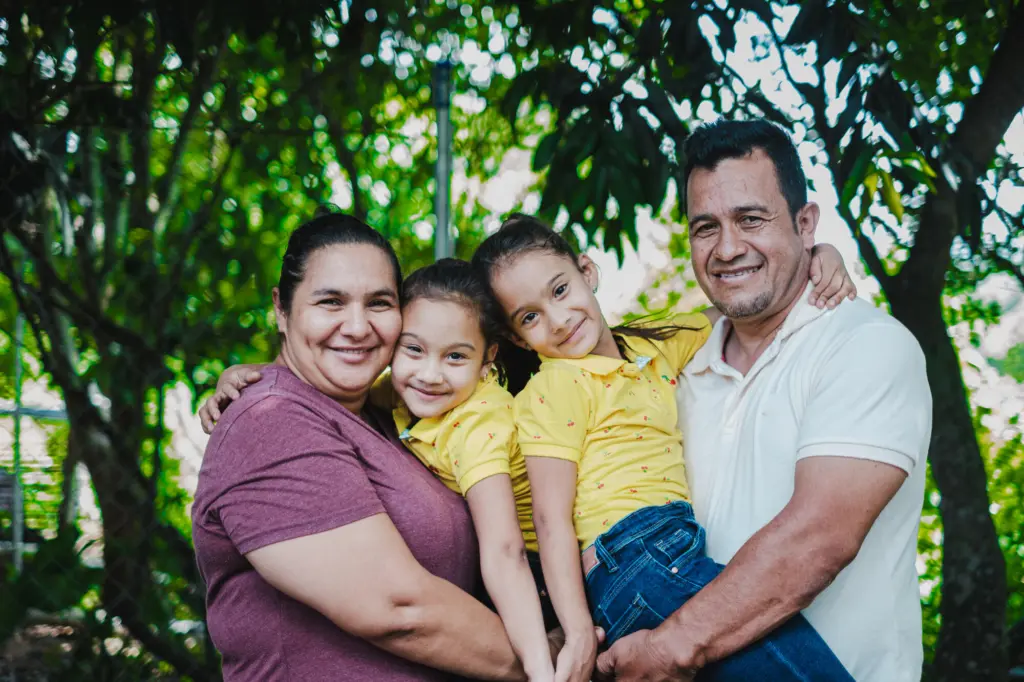
Many parents tend to repeat the forms of discipline they experienced growing up — often without fully realizing the harm. In settings where violence is not only practiced but socially reinforced as acceptable or even necessary, challenging behavior requires a shift in belief.
Research with Baylor University is helping explain how these changes are sustained over time. The findings suggest that change lasts when new practices are embedded within trusted church relationships, shared faith commitments, and existing ministry structures — with local leaders retaining and sharing what they’ve learned, and training and materials becoming part of regular church life.
Challenges remain. Some leaders are hesitant to address sensitive issues. Resistance exists. Logistical and financial barriers make it difficult to reach the most vulnerable. But our consistent experience is that faith communities function as genuine partners to families — creating safer, more loving environments for children and serving as influential drivers of the social and behavioral change that makes these environments last. These approaches are most effective when paired with strong safeguarding, training, and accountability mechanisms to ensure that engagement with faith leaders is ethical, inclusive, and aligned with child protection standards.
In Honduras, where violence has become normalized across many aspects of daily life, faith communities are helping create safer, more nurturing environments for children — restoring a sense of safety, stability, and hope in places where these have often been absent. Their influence extends beyond any single project, contributing to long-term shifts in attitudes, behaviors, and social norms that can help break cycles of violence.
For practitioners seeking sustainable solutions to violence against children, the lesson is clear: lasting change requires more than policies or services alone. It requires transforming the beliefs, norms, and relationships that shape children’s everyday experiences — and faith communities can be powerful partners in that work.
For policymakers and development partners, this means intentionally engaging faith actors in child protection efforts — not as peripheral stakeholders, but as essential partners in creating the social conditions that enable children to grow up safe, protected, and able to thrive.
